ASUS TUF Gaming FA506NC-HN048 RAM upgrade specifications



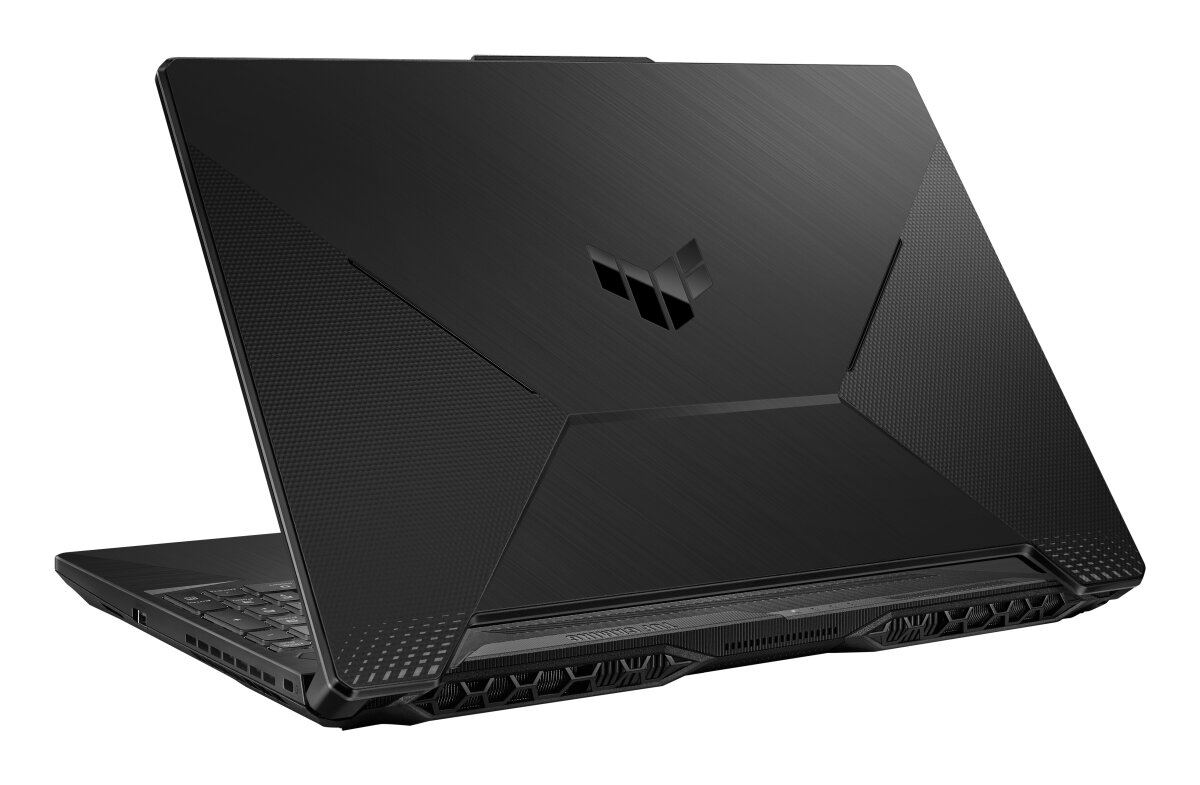
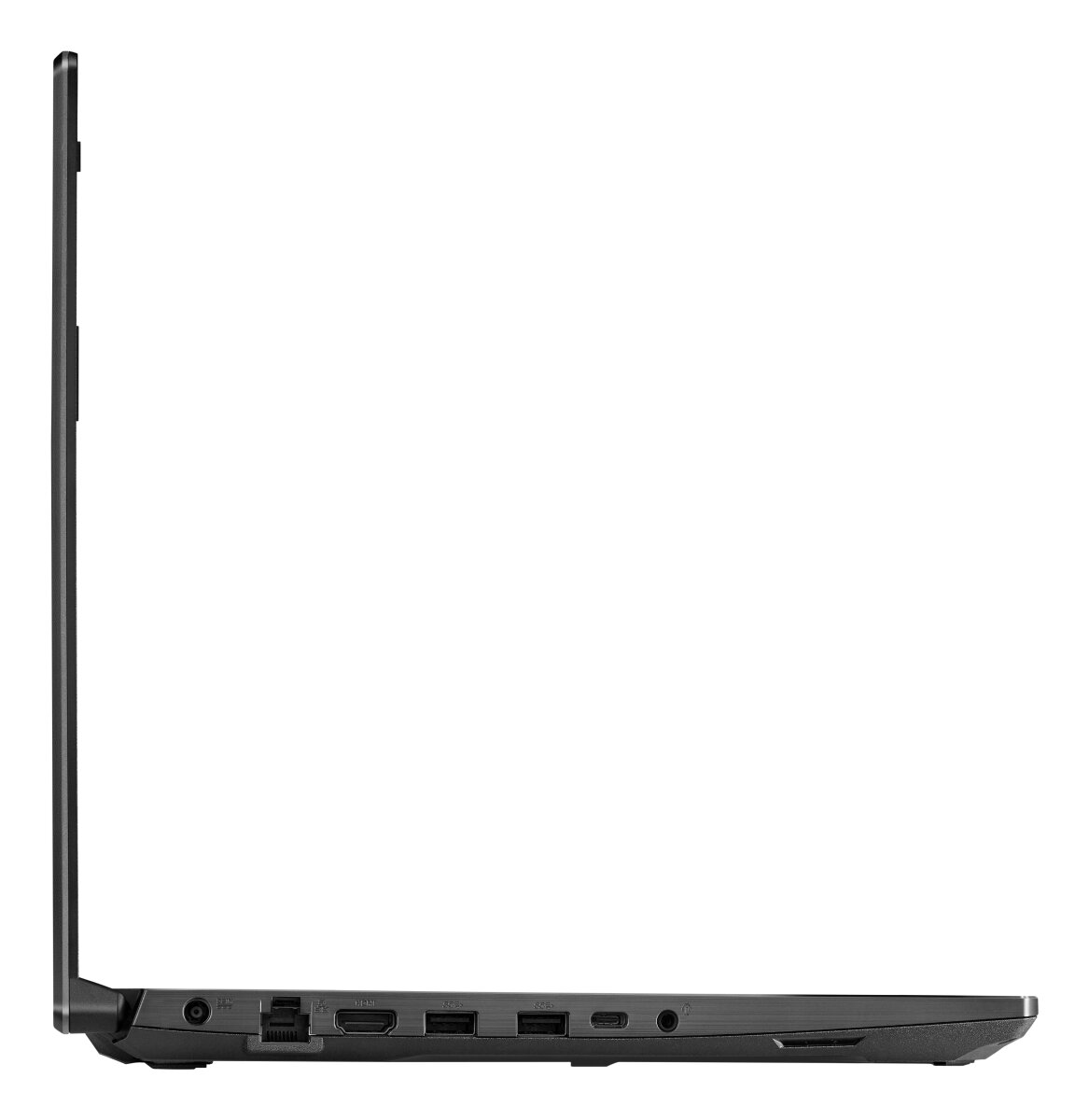
ASUS TUF Gaming A15 FA506NC-HN048 RAM upgrade specifications indicate DDR5-SDRAM memory compatible with the laptop. The device features 2x SO-DIMM slots supporting maximum capacity of 32 GB RAM. Memory operates at 5600 MHz frequency. SO-DIMM form factor enables upgrade compatibility. Specifications detail the compatible memory requirements for expanding storage capacity on this ASUS gaming laptop model.
Memory Upgrade Specifications
| Specification | Value |
|---|---|
| Memory slots | 2x SO-DIMM |
| Form factor | SO-DIMM |
| Memory type | DDR5-SDRAM |
| Frequency | 5600 MHz |
| Maximum RAM | 32 GB |
| Voltage | 1.1V |
| Number of pins | 262-pin |
| Interface | PC5 |
| PC Speed Rating | PC5-5600 (PC5-44800) |
| Bandwidth | 44.8 GB/s |
Additional Notes
- The ASUS TUF Gaming FA506NC-HN048 enforces a 32 GB ceiling due to chipset or BIOS limitations inherent to the platform architecture, preventing installation of larger capacity modules even if physically compatible.
- DDR5-5600 represents the official specification, though actual operational frequency depends on CPU memory controller capabilities and whether XMP/EXPO profiles are supported and enabled in firmware.
- Both SO-DIMM slots remain user-accessible, allowing symmetrical dual-channel configurations that double effective memory bandwidth compared to single-module installations.
- DDR5 voltage regulation occurs on-module through integrated PMICs rather than motherboard-level control, affecting thermal characteristics and requiring adequate chassis ventilation during sustained memory-intensive operations.
- Mixing modules with different speeds forces all installed memory to operate at the lowest common frequency, negating any performance advantage from higher-rated modules.
- Asymmetric capacity configurations remain functional but sacrifice dual-channel mode efficiency, potentially reducing memory bandwidth by up to 50 percent in specific workloads.
- The SO-DIMM form factor precludes use of desktop UDIMM modules due to incompatible physical pin layouts and notch positioning, despite identical electrical specifications.
- Warranty preservation typically requires avoiding BIOS modifications for overclocking, though standard JEDEC-specification module replacements generally remain within acceptable service terms.
- DDR5 error correction operates through on-die ECC at the DRAM level, distinct from server-grade module ECC, providing limited protection against certain memory errors without full RAS features.
- Installation requires complete power removal including battery disconnect to prevent damage from residual current, as SO-DIMM slots lack hot-swap protection circuitry.