ASUS TUF Gaming FA506NC-HN036 RAM upgrade specifications


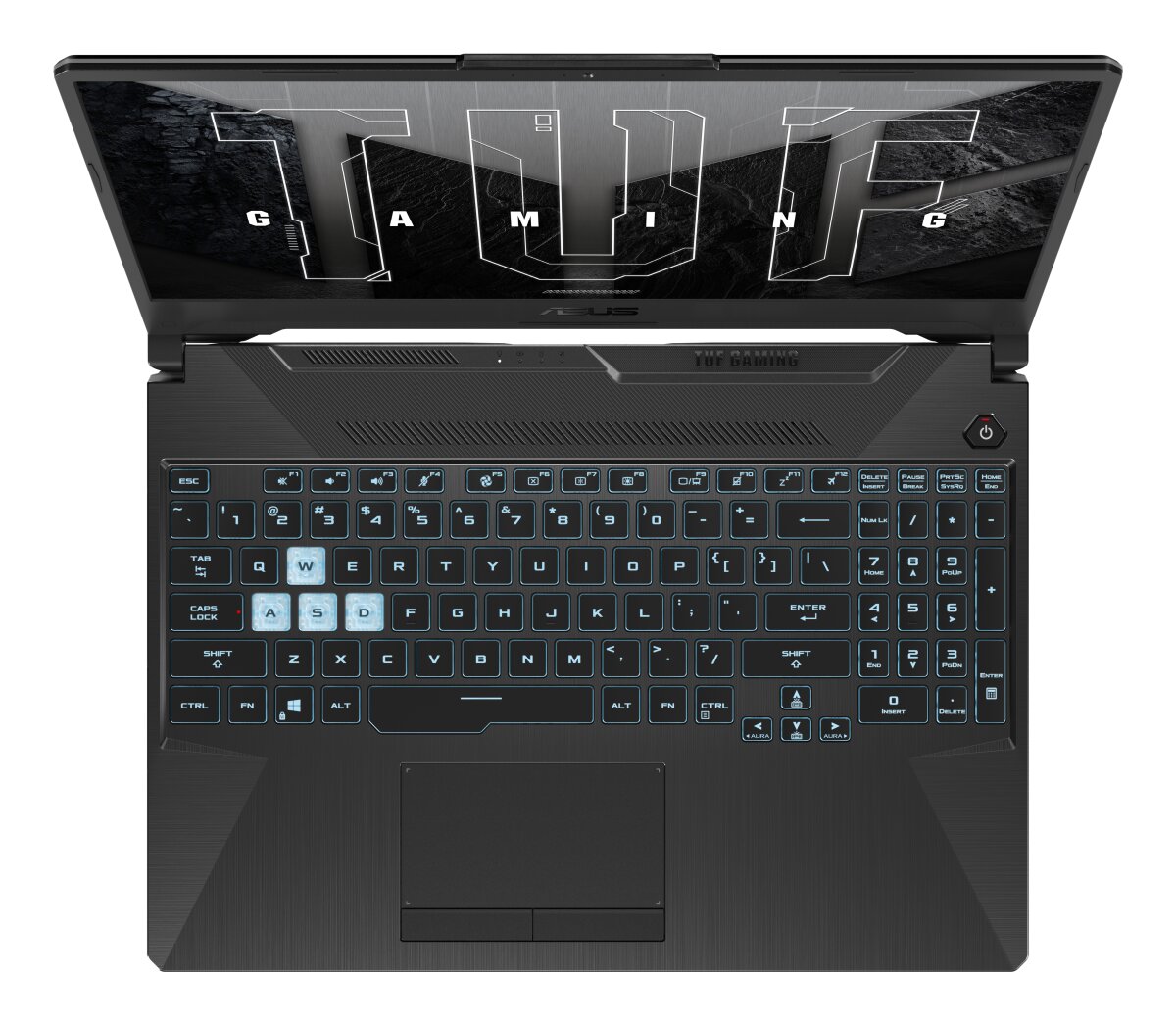


ASUS TUF Gaming A15 FA506NC-HN036 laptop features two SO-DIMM memory slots supporting DDR5-SDRAM upgrade capacity. Maximum RAM specifications allow for 64 GB total memory installation. Compatible DDR5 memory operates at 5600 MHz frequency. Existing memory configurations can be expanded by installing additional DDR5 SO-DIMM modules into available slots. Upgrade specifications indicate support for dual-channel memory architecture with standard SO-DIMM form factor compatibility.
Memory Upgrade Specifications
| Specification | Value |
|---|---|
| Memory slots | 2x SO-DIMM |
| Form factor | SO-DIMM |
| Memory type | DDR5-SDRAM |
| Frequency | 5600 MHz |
| Maximum RAM | 64 GB |
| Voltage | 1.1V |
| Number of pins | 262-pin |
| Interface | PC5 |
| PC Speed Rating | PC5-5600 (PC5-44800) |
| Bandwidth | 44.8 GB/s |
Additional Notes
- The ASUS TUF Gaming FA506NC-HN036 supports DDR5-5600 memory, which operates at a lower standard frequency than DDR5-6000 or DDR5-7200 modules. Upgrading with faster DDR5 variants will default to 5600 MHz operation, negating performance gains and wasting budget on higher-rated modules.
- The 2-slot SO-DIMM configuration requires both memory modules to be populated simultaneously to achieve the 64 GB maximum. Single-module upgrades will leave one slot empty, preventing full capacity utilization and eliminating redundancy options for future module replacement.
- SO-DIMM form factor constrains memory density per slot. Reaching 64 GB requires 32 GB modules in each slot, a capacity tier with limited third-party availability compared to 16 GB and 8 GB options, potentially affecting price and stock accessibility.
- DDR5-5600 memory typically operates at standard JEDEC voltages, making it safer for warranty preservation than overclocked DDR5 variants. Overclocked DDR5-6000 or faster modules may trigger warranty concerns if system logs detect out-of-spec operation through firmware monitoring.
- The dual-slot architecture with 5600 MHz support indicates shared memory bandwidth between processor and GPU. Adding high-capacity modules does not alleviate potential memory bandwidth saturation during intensive graphics workloads if the controller architecture remains unchanged.