ASUS TUF Gaming FA506NC-HN016 RAM upgrade specifications



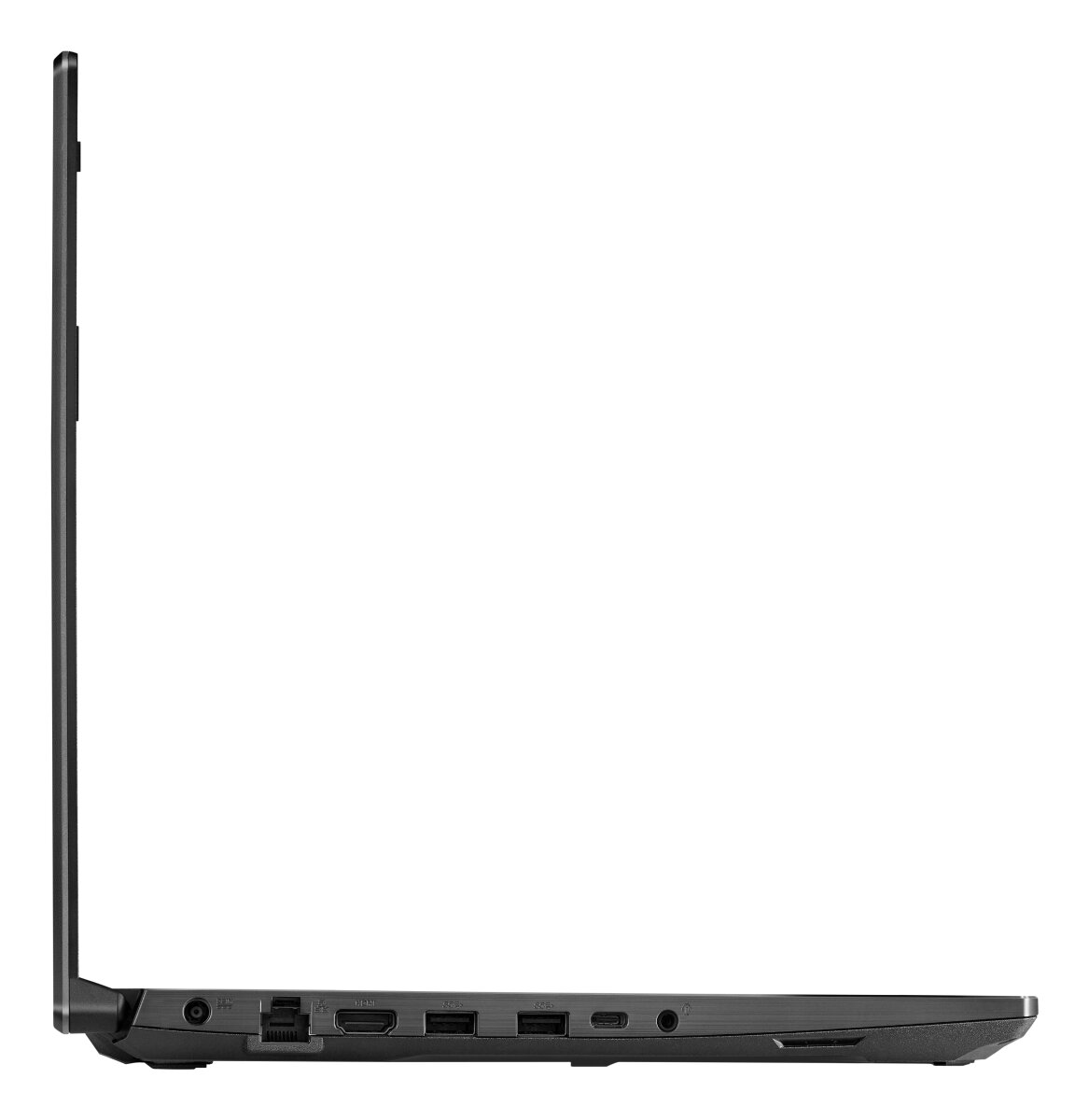
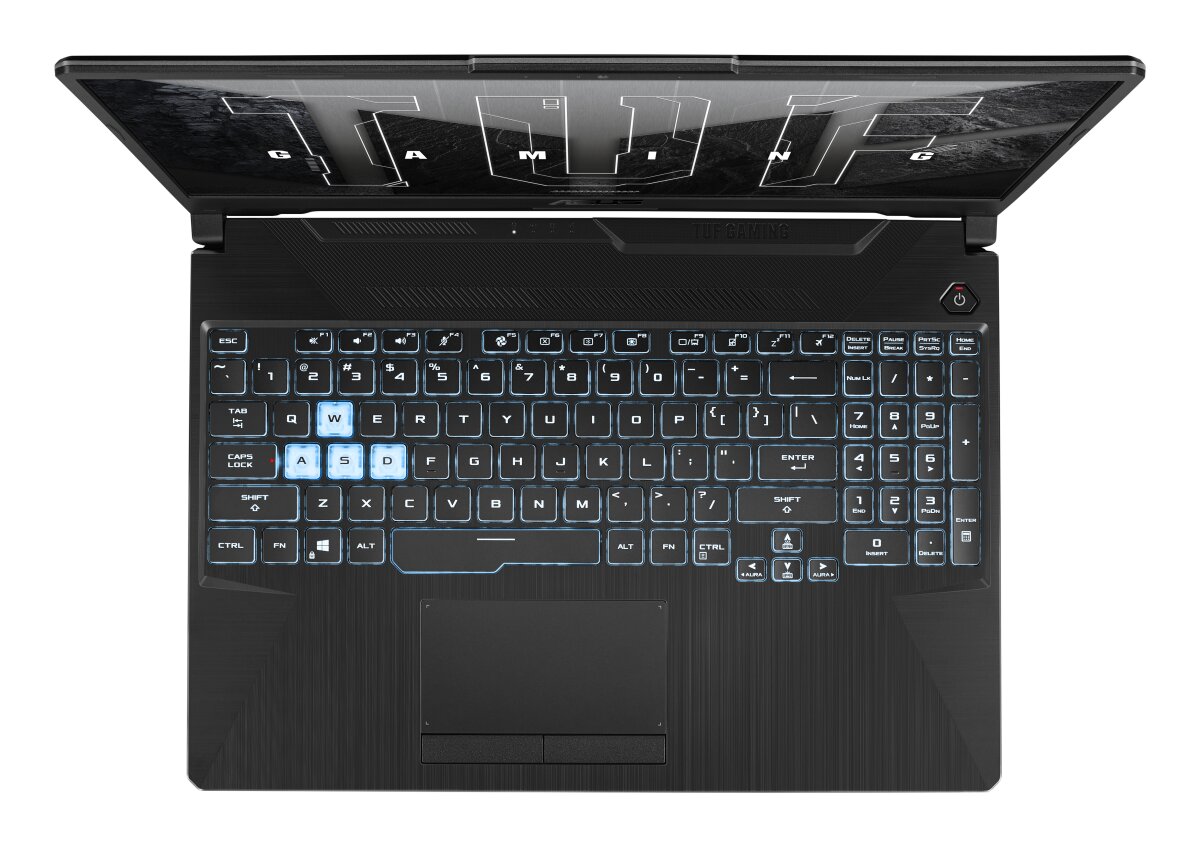
The ASUS TUF Gaming A15 FA506NC-HN016 features two SO-DIMM slots supporting DDR5-SDRAM memory upgrades. The laptop accommodates a maximum RAM capacity of 32 GB, with compatible modules operating at 5600 MHz frequency. Specifications indicate current memory configuration allows for dual-channel upgrade configurations, enabling users to expand installed capacity through compatible DDR5 SO-DIMM modules meeting the specifications outlined for this model.
Memory Upgrade Specifications
| Specification | Value |
|---|---|
| Memory slots | 2x SO-DIMM |
| Form factor | SO-DIMM |
| Memory type | DDR5-SDRAM |
| Frequency | 5600 MHz |
| Maximum RAM | 32 GB |
| Voltage | 1.1V |
| Number of pins | 262-pin |
| Interface | PC5 |
| PC Speed Rating | PC5-5600 (PC5-44800) |
| Bandwidth | 44.8 GB/s |
Additional Notes
- The presence of 2 SO-DIMM slots allows for dual-channel memory configurations which significantly improves integrated graphics performance and reduces CPU bottlenecks compared to single-stick setups.
- The 32 GB firmware and hardware limit prevents the installation of high-density 32 GB modules in both slots simultaneously.
- Utilizing DDR5-5600 MHz modules in the **ASUS TUF Gaming FA506NC-HN016** ensures parity between the memory controller and the physical RAM to maintain the lowest possible system latency.
- Standard SO-DIMM form factors require a physical teardown of the lower chassis for installation which necessitates the use of anti-static precautions to protect sensitive internal components.
- Mixing modules with different clock speeds will force the entire system to downclock to the frequency of the slowest installed stick.
- Upgrading beyond the factory capacity remains restricted by the motherboard chipset regardless of operating system capabilities.
- Higher frequency DDR5 modules generate more localized heat than previous generations requiring unobstructed airflow through the bottom intake vents for stable operation under heavy workloads.