ASUS TUF Gaming FA506NC-HN017W RAM upgrade specifications

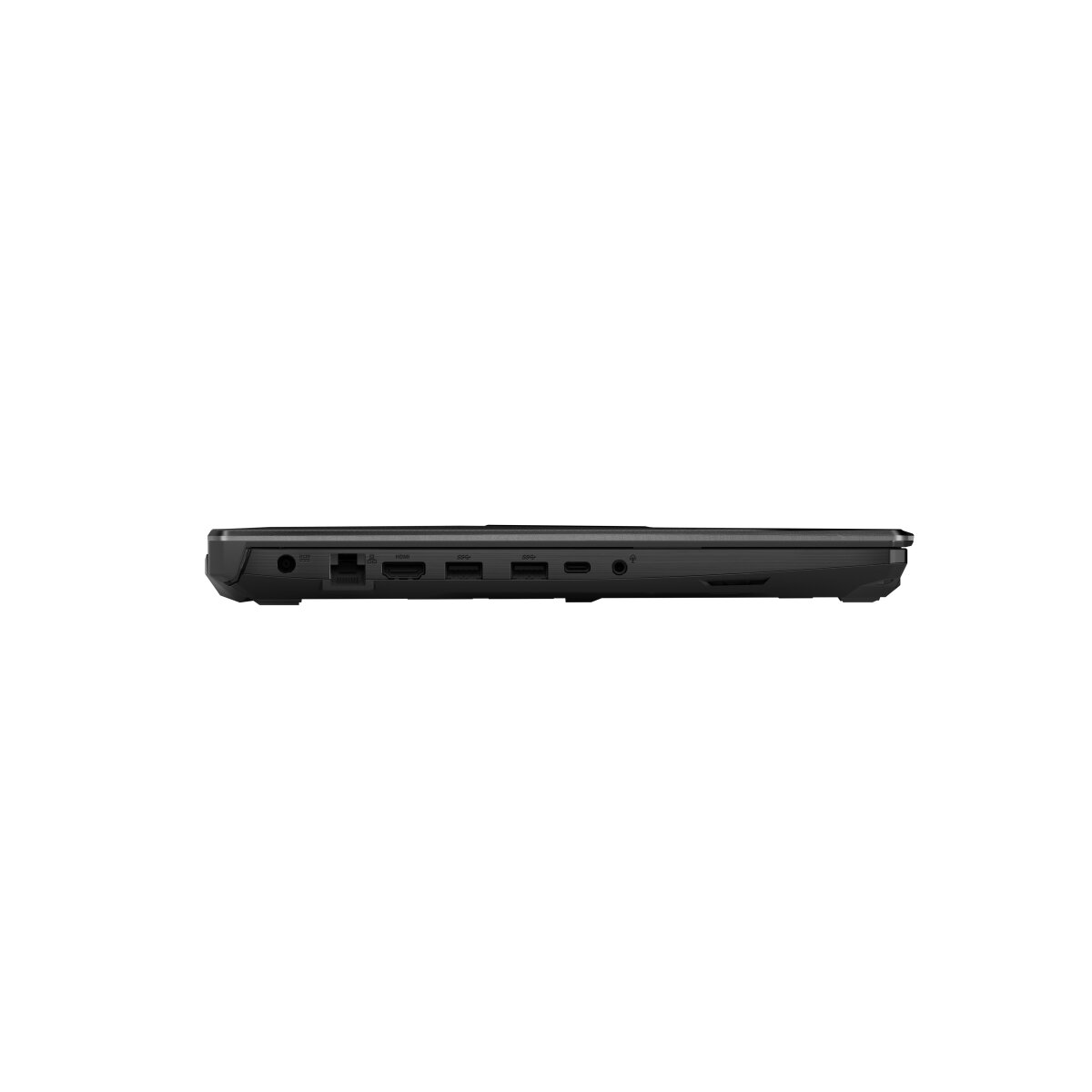
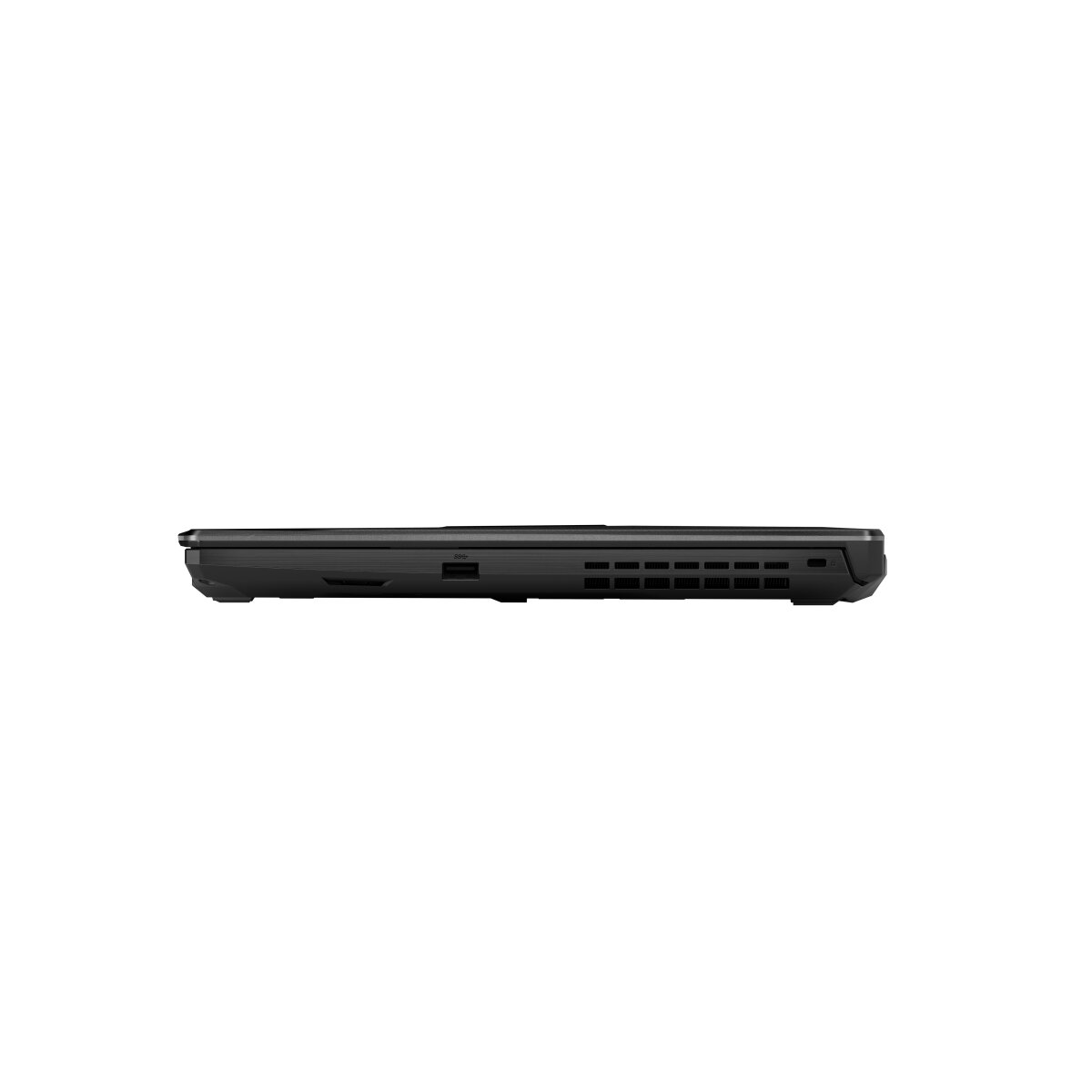
ASUS TUF Gaming A15 FA506NC-HN017W RAM upgrade specifications detail DDR5-SDRAM memory compatibility. The laptop features 2x SO-DIMM memory slots supporting maximum RAM capacity of 64 GB. Compatible DDR5 modules operate at 5600 MHz frequency. Upgrade specifications identify SO-DIMM form factor as the standard memory upgrade option for this TUF Gaming series model. Maximum capacity of 64 GB represents the total supported memory configuration for FA506NC-HN017W specifications.
Memory Upgrade Specifications
| Specification | Value |
|---|---|
| Memory slots | 2x SO-DIMM |
| Form factor | SO-DIMM |
| Memory type | DDR5-SDRAM |
| Frequency | 5600 MHz |
| Maximum RAM | 64 GB |
| Voltage | 1.1V |
| Number of pins | 262-pin |
| Interface | PC5 |
| PC Speed Rating | PC5-5600 (PC5-44800) |
| Bandwidth | 44.8 GB/s |
Additional Notes
- The ASUS TUF Gaming FA506NC-HN017W supports dual-channel memory architecture through its 2 SO-DIMM slots, enabling doubled bandwidth when both slots are populated with matched modules.
- DDR5-5600 represents a significant bandwidth advantage over DDR4, delivering approximately 43.2 GB/s per channel compared to DDR4-3200's 25.6 GB/s.
- The 64 GB maximum capacity requires 2x32 GB modules, which currently carry a price premium over more common 16 GB or 8 GB density modules.
- DDR5 modules operate at 1.1V nominal voltage compared to DDR4's 1.2V, reducing power consumption and heat generation during sustained workloads.
- Memory running at 5600 MHz requires a CAS latency specification to determine true access time, as higher frequencies do not always translate to lower absolute latency.
- The SO-DIMM form factor limits module height to 30mm, preventing compatibility issues with standard laptop chassis designs.
- Mixing modules with different speeds will force all installed memory to operate at the lowest common frequency supported by both the slower module and the memory controller.
- DDR5's on-die ECC (error correction code) operates independently of system-level ECC, providing baseline data integrity without requiring specific module types.
- Upgrading to the maximum 64 GB capacity will require removing any factory-installed modules if lower-density DIMMs occupy the available slots.
- The dual-channel configuration experiences performance degradation if only one slot is populated, reducing memory bandwidth by approximately 50 percent.
- DDR5-5600 modules typically feature JEDEC standard profiles, ensuring compatibility without requiring XMP or manual timing adjustments in BIOS.
- Thermal management becomes relevant at maximum capacity, as 2x32 GB configurations generate more heat than lower-density installations during intensive operations.
- The physical installation process requires grounding precautions due to DDR5's lower operating voltage making it more susceptible to electrostatic discharge damage.
- Memory controller limitations in mobile processors may prevent certain non-standard timings or overclocked profiles from functioning reliably.
- Warranty preservation typically requires using modules that meet JEDEC specifications rather than manufacturer-specific proprietary designs.