ASUS TUF Gaming FA506NC-HN006 RAM upgrade specifications



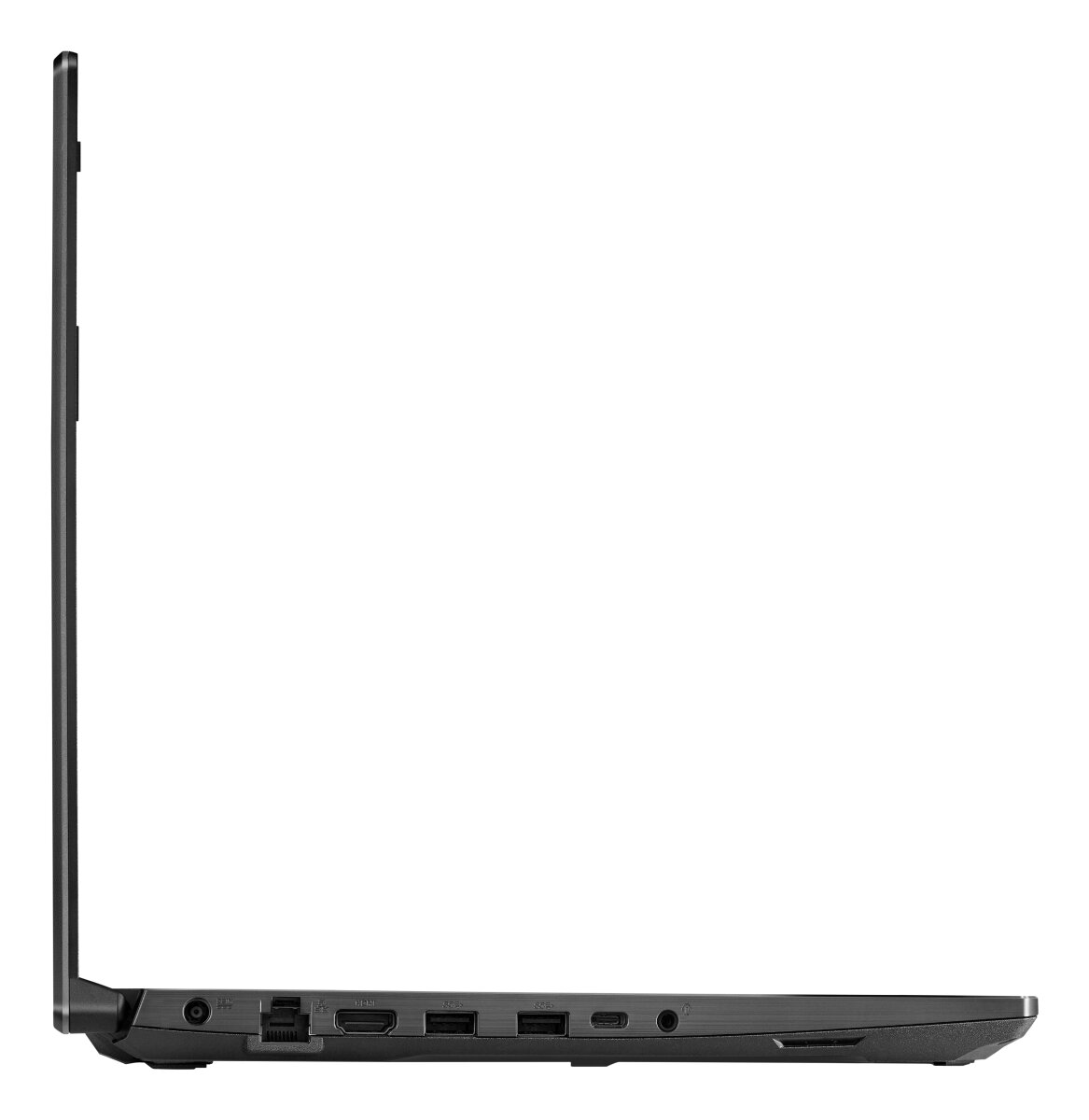
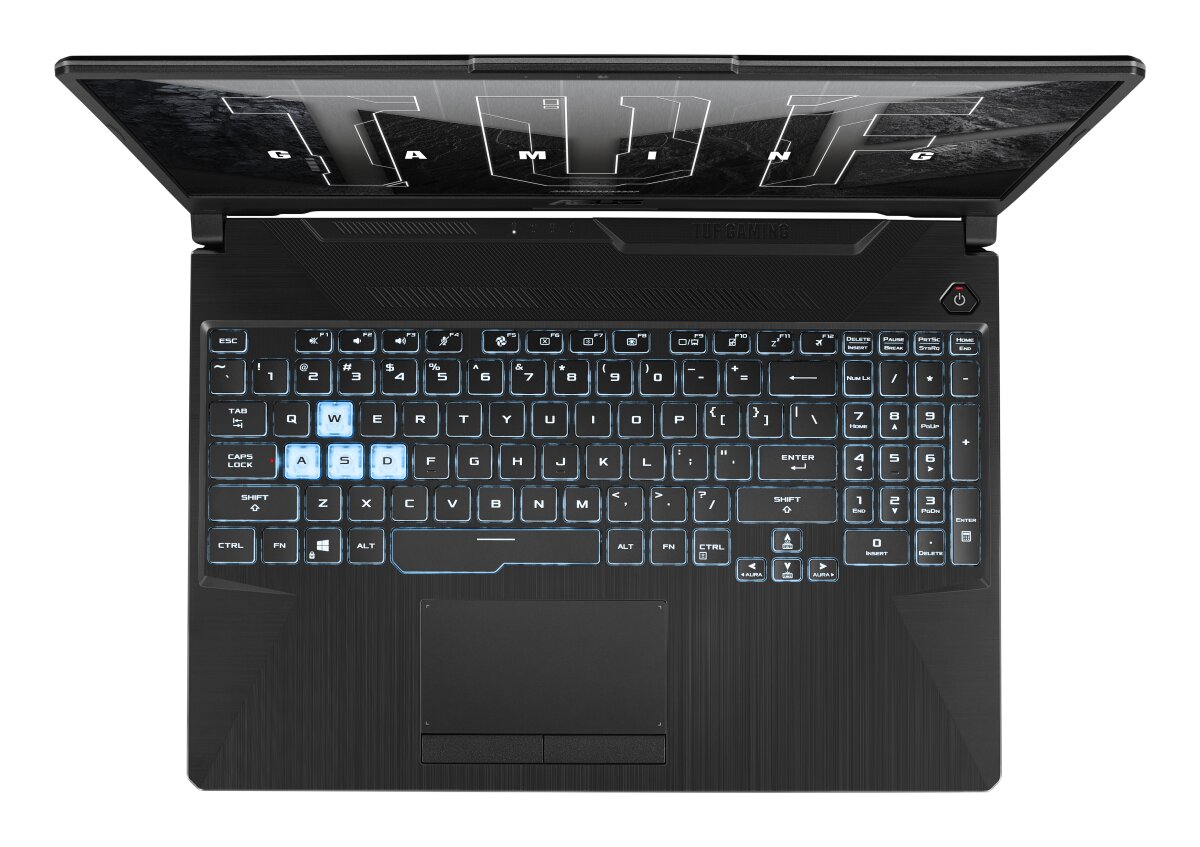
The ASUS TUF Gaming A15 FA506NC-HN006 supports DDR5-SDRAM memory upgrades through two SO-DIMM slots. Maximum RAM capacity reaches 32 GB total. Compatible upgrades utilize DDR5-SDRAM modules operating at 5600 MHz frequency. The laptop accommodates SO-DIMM form factor memory modules. Current memory specifications allow for modular upgrades to enhance system performance through additional RAM installation in available slots.
Memory Upgrade Specifications
| Specification | Value |
|---|---|
| Memory slots | 2x SO-DIMM |
| Form factor | SO-DIMM |
| Memory type | DDR5-SDRAM |
| Frequency | 5600 MHz |
| Maximum RAM | 32 GB |
| Voltage | 1.1V |
| Number of pins | 262-pin |
| Interface | PC5 |
| PC Speed Rating | PC5-5600 (PC5-44800) |
| Bandwidth | 44.8 GB/s |
Additional Notes
- The ASUS TUF Gaming FA506NC-HN006 restricts total system memory to 32 GB despite DDR5 support, likely due to CPU memory controller limitations rather than physical slot constraints.
- DDR5-5600 represents the baseline JEDEC speed for this generation, meaning faster modules rated at 6000 MHz or higher will automatically downclock to 5600 MHz without performance benefit.
- Both SO-DIMM slots must be populated with identical capacity and speed modules to enable dual-channel mode, which effectively doubles memory bandwidth from 44.8 GB/s to 89.6 GB/s in theoretical throughput.
- The 2x SO-DIMM configuration indicates no soldered memory components, allowing complete replacement of factory-installed modules without voiding memory-related warranty coverage.
- DDR5 modules operate at 1.1V nominal voltage compared to DDR4's 1.2V, reducing thermal output but requiring motherboard firmware compatibility for proper SPD profile detection.
- Single-rank versus dual-rank module architecture impacts latency performance, with dual-rank 16 GB modules typically providing 3-5% better frame consistency in memory-sensitive gaming workloads.
- The SO-DIMM form factor measures 67.6 mm in length compared to standard DIMM at 133.35 mm, but installation depth requirements vary based on cooling assembly clearance above the slots.
- Mixing module capacities such as 8 GB plus 16 GB activates flex mode rather than true dual-channel, asymmetrically utilizing 16 GB in dual-channel and leaving 8 GB in single-channel operation.
- DDR5 on-die ECC corrects internal data errors transparently but does not provide system-level ECC protection, meaning detected errors remain uncorrectable at the application level.
- The 5600 MHz effective clock translates to a 2800 MHz physical clock with DDR (double data rate) operation, impacting actual CAS latency calculations when comparing timing specifications.