ASUS TUF Gaming FA506NCR-HN035-GAMING RAM upgrade specifications



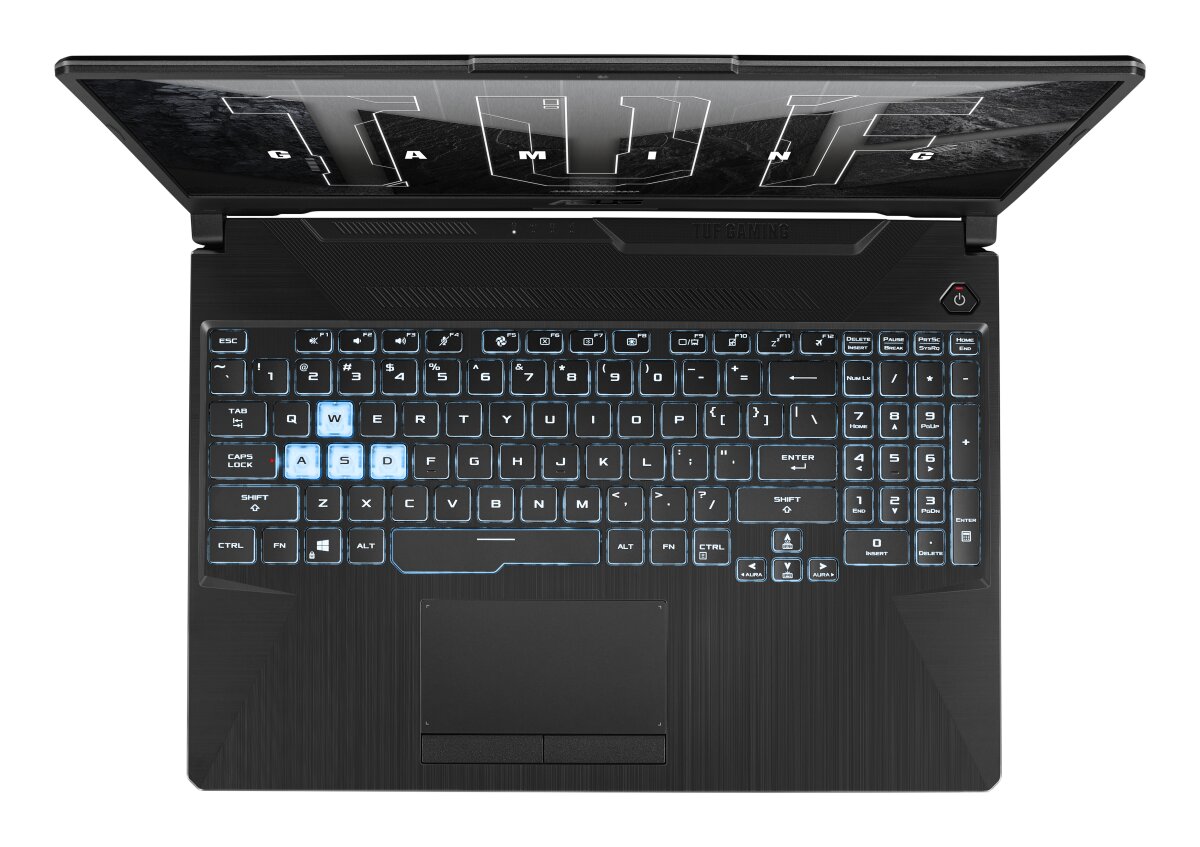

ASUS TUF Gaming A15 FA506NCR-HN035-GAMING laptop features DDR5-SDRAM memory upgrade capabilities. The system supports two SO-DIMM slots with a maximum RAM capacity of 32 GB. Compatible memory operates at 5600 MHz frequency. Specifications indicate SO-DIMM form factor for memory modules. Upgrade options allow installation of DDR5 memory modules in available slots to enhance system performance and multitasking capabilities.
Memory Upgrade Specifications
| Specification | Value |
|---|---|
| Memory slots | 2x SO-DIMM |
| Form factor | SO-DIMM |
| Memory type | DDR5-SDRAM |
| Frequency | 5600 MHz |
| Maximum RAM | 32 GB |
| Voltage | 1.1V |
| Number of pins | 262-pin |
| Interface | PC5 |
| PC Speed Rating | PC5-5600 (PC5-44800) |
| Bandwidth | 44.8 GB/s |
Additional Notes
- The 32 GB maximum capacity limitation originates from chipset addressing constraints rather than physical slot availability, preventing recognition of higher-density modules even when physically compatible.
- DDR5-5600 represents the JEDEC standard baseline speed for this generation, meaning certified modules will operate at this frequency without requiring XMP/EXPO profile activation in BIOS.
- SO-DIMM DDR5 modules operate at 1.1V compared to DDR4's 1.2V specification, reducing thermal output but requiring voltage regulator compatibility that prevents backward compatibility with earlier generation systems.
- The dual-channel architecture requires matched module pairs for optimal bandwidth utilization, as asymmetric configurations force single-channel operation with a corresponding 50% throughput reduction.
- DDR5's on-die ECC functionality operates transparently at the DRAM level but differs from server-grade side-band ECC, providing error correction without OS visibility or reporting capabilities.
- ASUS TUF Gaming FA506NCR-HN035-GAMING memory slots lack tool-free retention mechanisms, necessitating outward clip manipulation during installation that risks accidental motherboard flexing if not properly supported.
- Module height restrictions in gaming laptops typically enforce a 30mm clearance limit, excluding high-profile heat spreader designs common in desktop-oriented SO-DIMM variants.
- Warranty preservation requires verification that the base panel removal process does not involve breaking tamper-evident seals positioned over memory compartment access points.
- Mixing module capacities between slots remains functional but forces the system to match timings to the slowest module's specifications, potentially underutilizing faster RAM's latency capabilities.
- DDR5's higher prefetch buffer (16n vs DDR4's 8n) increases effective bandwidth at equivalent frequencies but introduces marginally higher latency penalties for small random access patterns.