ASUS TUF Gaming FA506NCR-HN073W RAM upgrade specifications
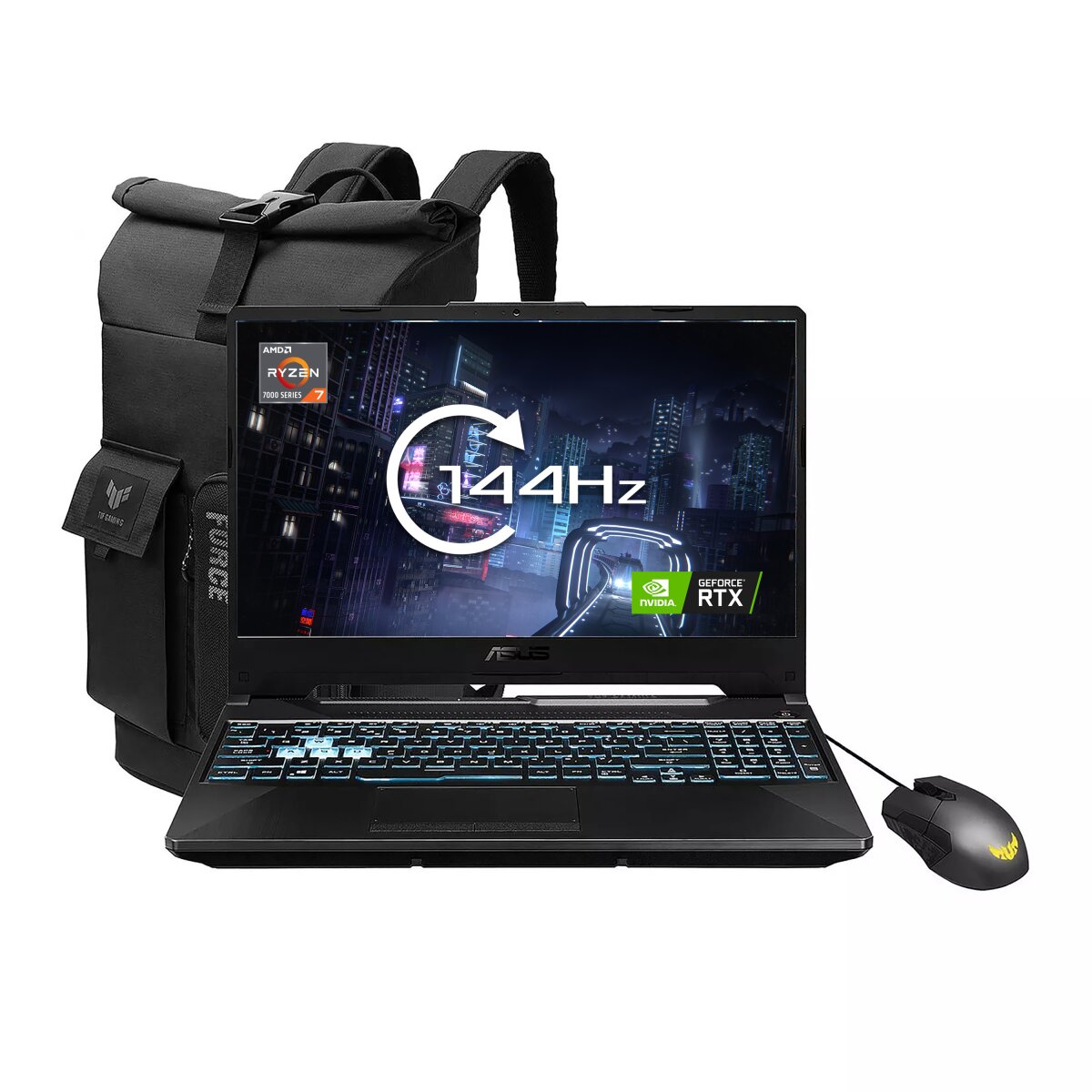



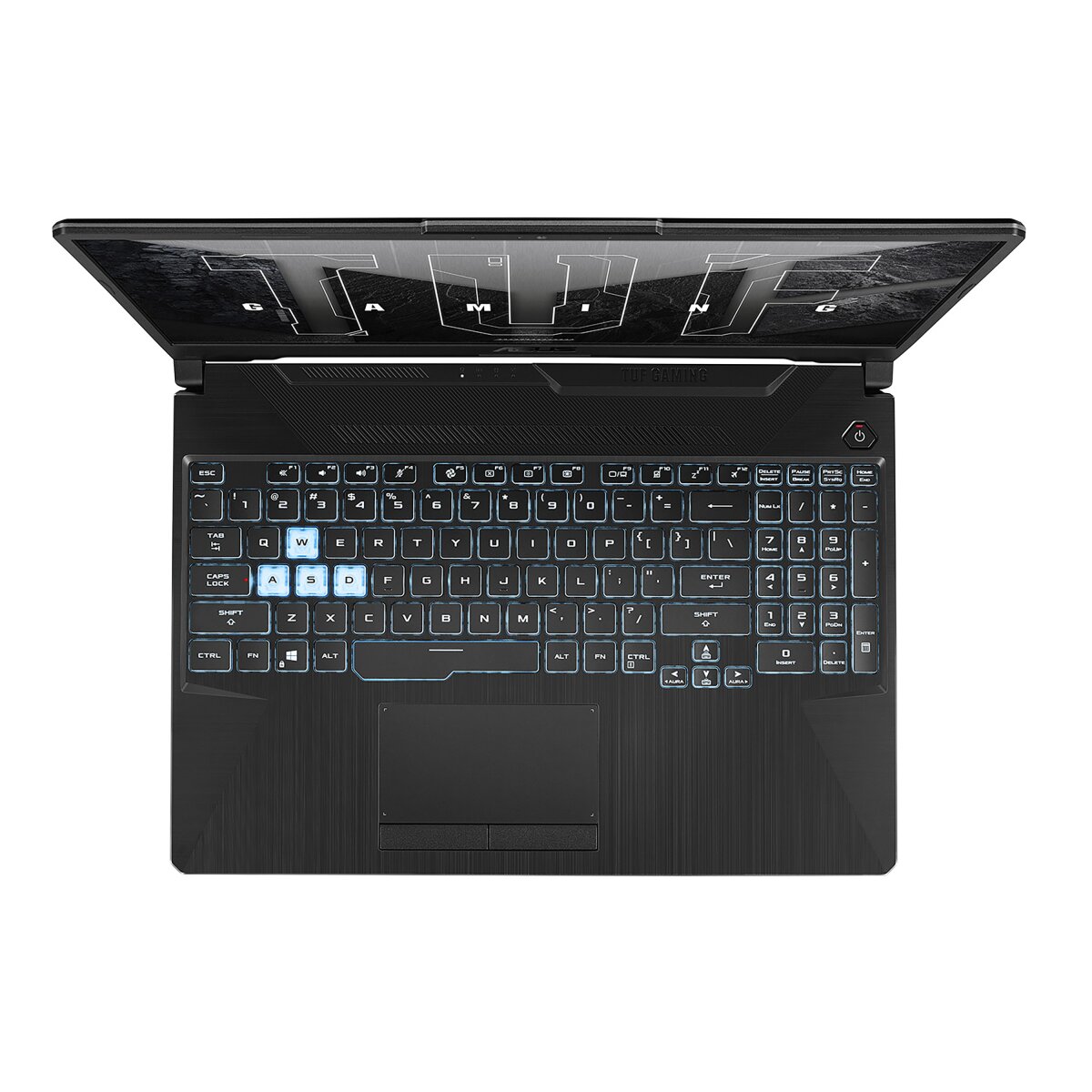
ASUS TUF Gaming A15 FA506NCR-HN073W RAM upgrade specifications include DDR5-SDRAM memory compatible with 2x SO-DIMM slots. Maximum memory capacity reaches 64 GB with DDR5-5600 MHz frequency specifications. Upgrade options support SO-DIMM form factor modules. Compatible RAM modules must meet DDR5 standards for proper integration with laptop specifications.
Memory Upgrade Specifications
| Specification | Value |
|---|---|
| Memory slots | 2x SO-DIMM |
| Form factor | SO-DIMM |
| Memory type | DDR5-SDRAM |
| Frequency | 5600 MHz |
| Maximum RAM | 64 GB |
| Voltage | 1.1V |
| Number of pins | 262-pin |
| Interface | PC5 |
| PC Speed Rating | PC5-5600 (PC5-44800) |
| Bandwidth | 44.8 GB/s |
Additional Notes
- The ASUS TUF Gaming FA506NCR-HN073W supports dual-channel memory architecture through its 2 SO-DIMM slots, enabling double the theoretical bandwidth compared to single-channel configurations when matched modules are installed.
- DDR5-5600 modules operating below their rated speed may occur if the processor's memory controller does not support frequencies above 4800 MHz, resulting in automatic downclocking to the highest compatible speed.
- The 64 GB maximum capacity requires 32 GB modules in both slots, which must be DDR5 SO-DIMM form factor specifically, as standard DIMM modules designed for desktop systems are physically incompatible with this laptop chassis.
- Mixing modules with different speeds will force all installed memory to operate at the frequency of the slowest module, potentially negating performance benefits of higher-rated DDR5 kits.
- Voltage specifications for DDR5 modules differ from DDR4, operating at 1.1V standard compared to DDR4's 1.2V, making cross-generation compatibility impossible even if physical installation were feasible.
- Non-matching capacity configurations (asymmetric) may still enable dual-channel mode through flex mode technology, but only up to twice the capacity of the smaller module, with remaining capacity reverting to single-channel operation.
- Access to the SO-DIMM slots typically requires removal of the bottom panel, and depending on regional warranty terms, breaking factory seals during user upgrades may void manufacturer coverage unless performed by authorized service centers.
- DDR5's on-die ECC (error correction) operates independently of system-level ECC support, providing basic error detection without requiring specific BIOS or chipset features, unlike registered ECC modules used in server environments.
- The 5600 MHz frequency represents effective data rate rather than actual clock speed, which runs at 2800 MHz due to DDR (double data rate) technology transferring data on both rising and falling clock edges.
- Thermal considerations become relevant when installing maximum capacity modules, as DDR5's higher performance generates increased heat output compared to DDR4, potentially affecting sustained performance in thermally constrained laptop environments.