ASUS TUF Gaming FA506NCR-HN077 RAM upgrade specifications

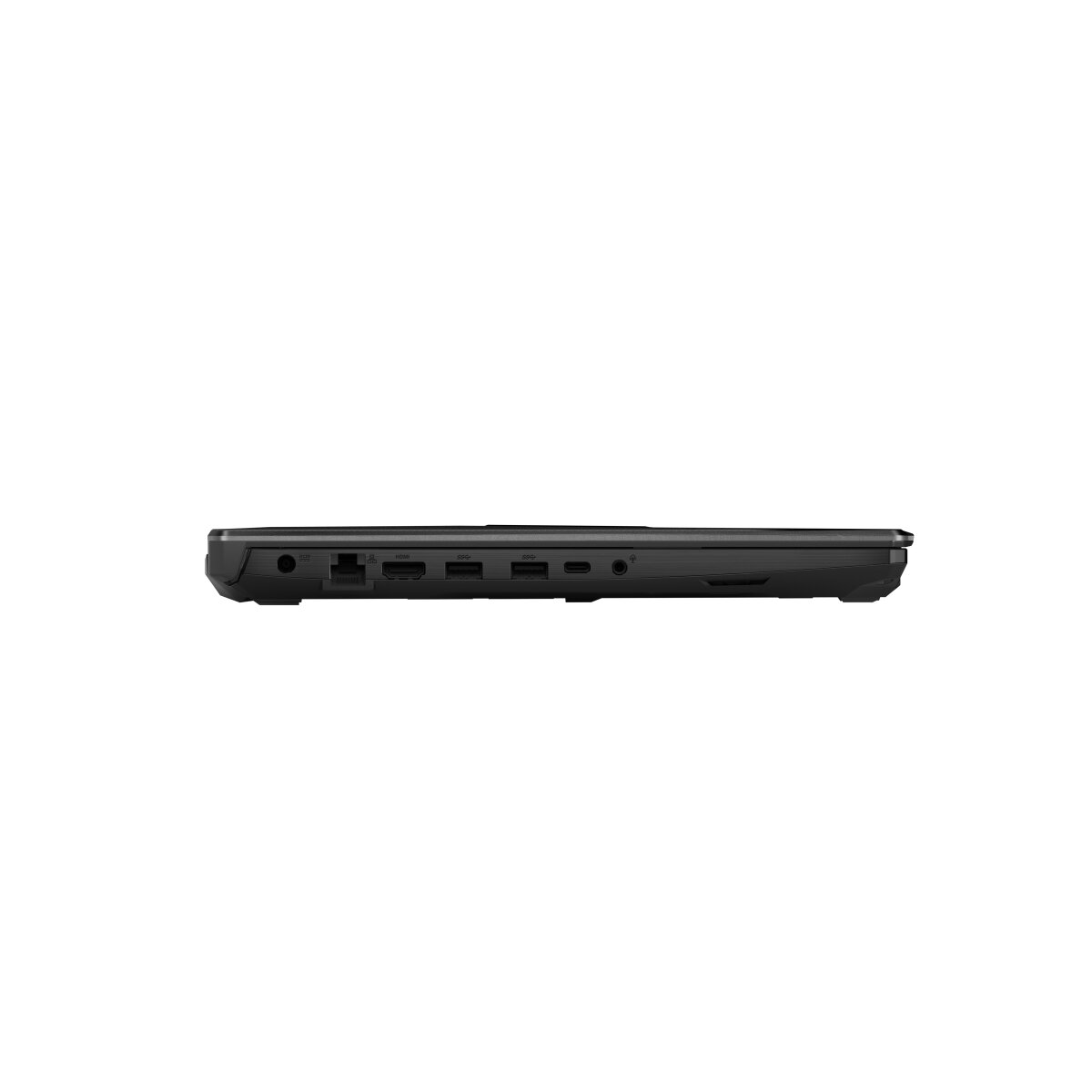
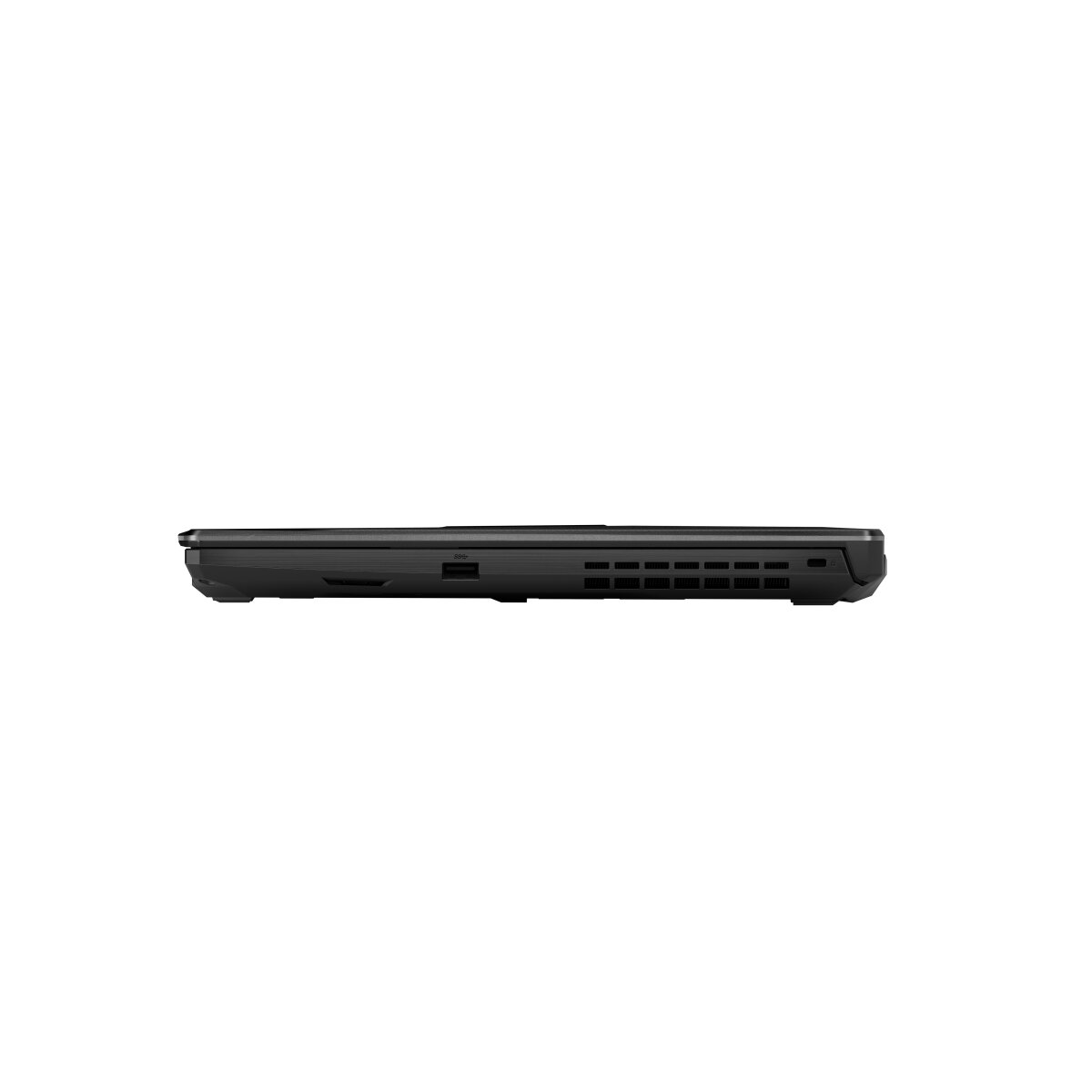
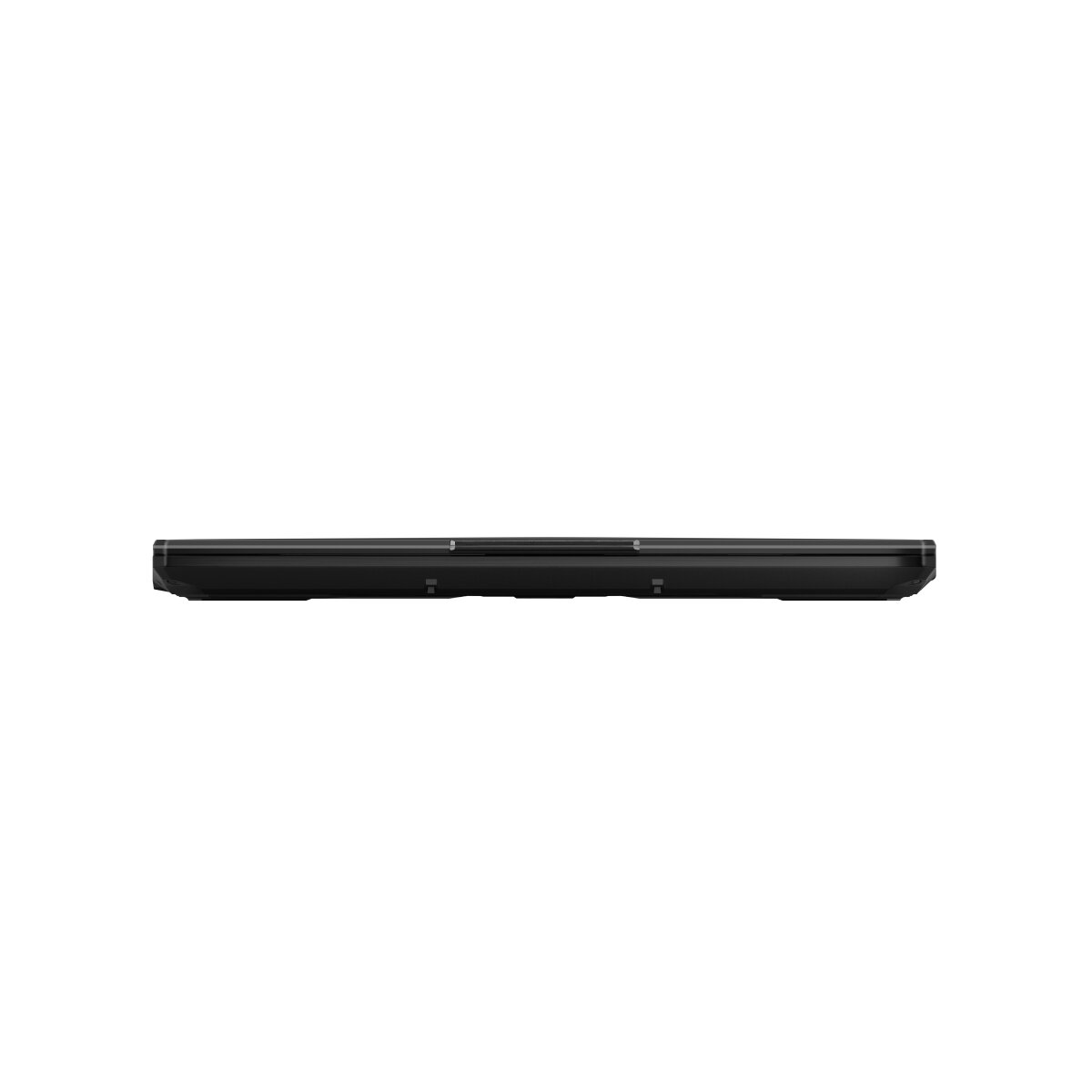
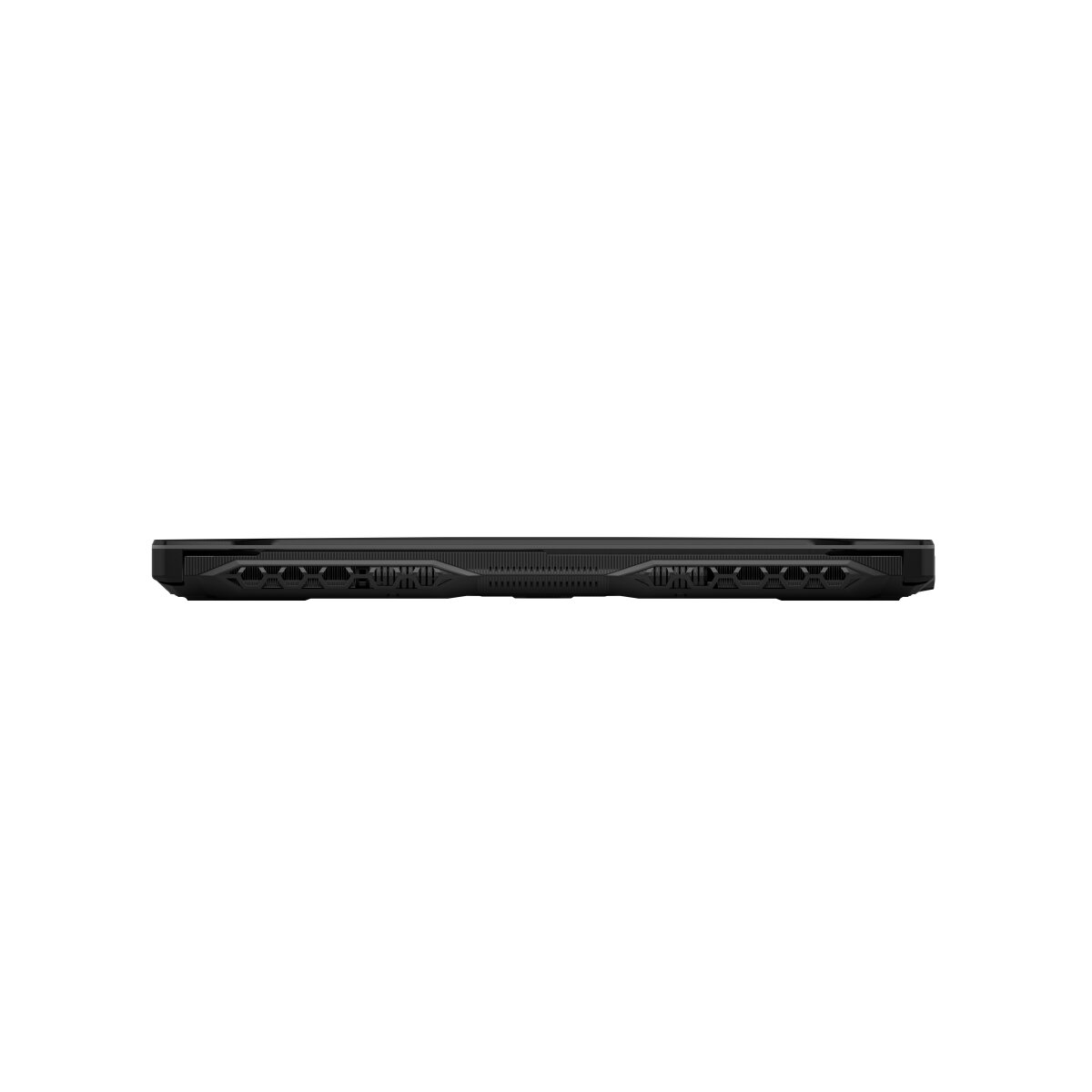
The ASUS TUF Gaming A15 FA506NCR-HN077 features two SO-DIMM memory slots supporting DDR5-SDRAM upgrades. The laptop accommodates maximum RAM capacity of 32 GB total, with compatible modules operating at 5600 MHz frequency. Memory upgrade specifications indicate SO-DIMM form factor compatibility, allowing users to expand the system's RAM capacity by replacing or supplementing existing modules with DDR5 memory meeting the specified frequency requirements and slot configuration.
Memory Upgrade Specifications
| Specification | Value |
|---|---|
| Memory slots | 2x SO-DIMM |
| Form factor | SO-DIMM |
| Memory type | DDR5-SDRAM |
| Frequency | 5600 MHz |
| Maximum RAM | 32 GB |
| Voltage | 1.1V |
| Number of pins | 262-pin |
| Interface | PC5 |
| PC Speed Rating | PC5-5600 (PC5-44800) |
| Bandwidth | 44.8 GB/s |
Additional Notes
- The presence of 2 SO-DIMM slots allows for a dual-channel memory configuration which doubles the theoretical bandwidth available to the processor compared to a single module.
- Upgrading the ASUS TUF Gaming FA506NCR-HN077 to the maximum 32 GB requires two 16 GB modules but limits the capacity for memory-intensive virtualization or professional 4K video editing workflows that often demand 64 GB.
- Installing memory modules with speeds exceeding 5600 MHz will result in the hardware downclocking the RAM to the maximum supported frequency of the internal controller.
- The transition to DDR5 architecture introduces on-die ECC and improved power efficiency through local voltage regulation on the module itself rather than via the motherboard.
- Mixing modules with different timings or from different manufacturers may trigger a system fallback to lower JEDEC profiles to ensure stability during the POST process.
- Accessing the memory slots involves removing the bottom chassis panel which necessitates a Philips head screwdriver and non-conductive prying tools to avoid damaging the internal plastic clips.
- The physical height of replacement SO-DIMM modules must adhere to standard low-profile dimensions to prevent contact with the bottom cover or interference with internal cooling components.