ASUS TUF Gaming FA506NF-HN003W RAM upgrade specifications



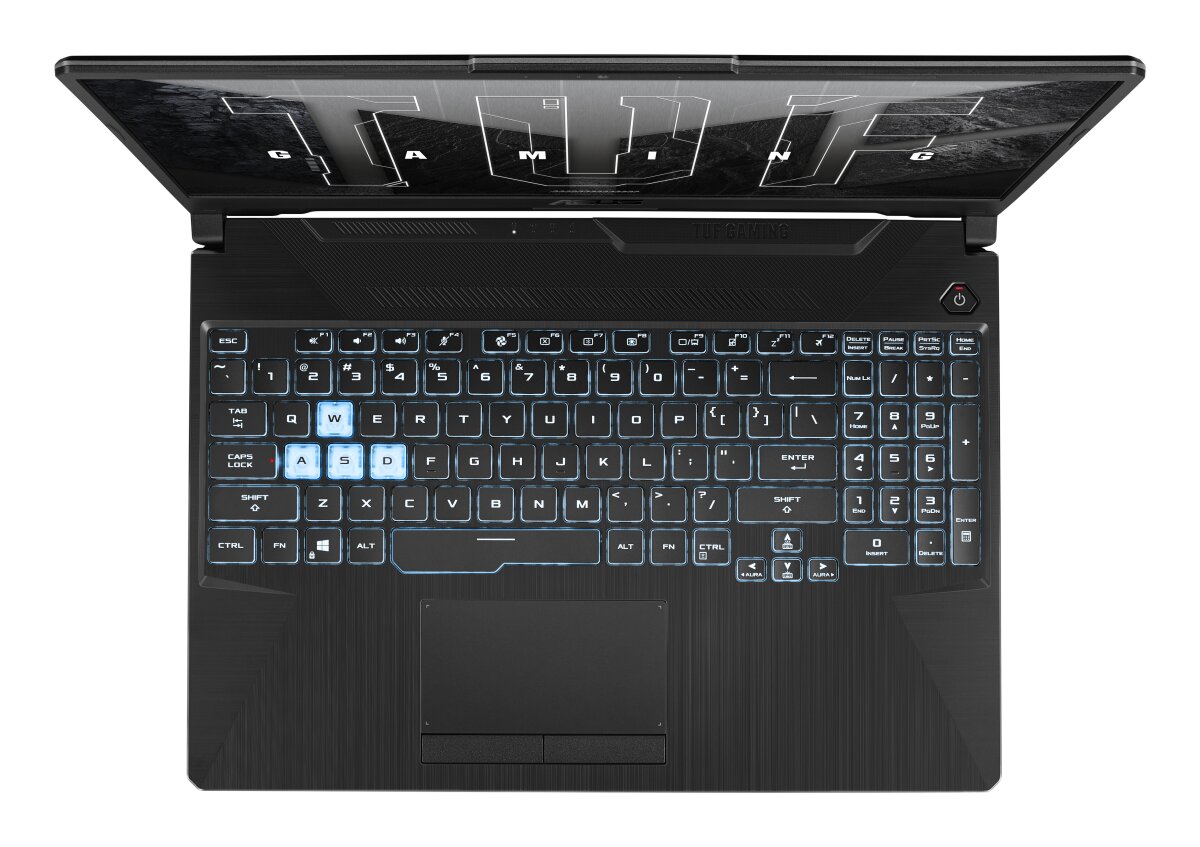

ASUS TUF Gaming A15 FA506NF-HN003W supports DDR5-SDRAM memory upgrades with 2x SO-DIMM slots. Maximum RAM capacity reaches 32 GB total. Compatible memory modules operate at 5600 MHz frequency. Specifications indicate SO-DIMM form factor for laptop memory upgrade configurations. The FA506NF-HN003W gaming laptop accommodates DDR5 memory expansion up to 32 GB maximum capacity across dual slots.
Memory Upgrade Specifications
| Specification | Value |
|---|---|
| Memory slots | 2x SO-DIMM |
| Form factor | SO-DIMM |
| Memory type | DDR5-SDRAM |
| Frequency | 5600 MHz |
| Maximum RAM | 32 GB |
| Voltage | 1.1V |
| Number of pins | 262-pin |
| Interface | PC5 |
| PC Speed Rating | PC5-5600 (PC5-44800) |
| Bandwidth | 44.8 GB/s |
| Laptop Release date | 08 January 2024 |
Additional Notes
- The ASUS TUF Gaming FA506NF-HN003W imposes a 32 GB ceiling despite DDR5 SO-DIMM modules being available in 48 GB densities, indicating a chipset or BIOS limitation that prevents recognition of higher-capacity modules.
- DDR5-5600 represents the baseline JEDEC standard speed for this generation, meaning the system likely lacks support for higher-frequency XMP or EXPO profiles that enthusiast-grade DDR5 modules typically offer at 6000 MHz or beyond.
- Both SO-DIMM slots must remain accessible without requiring motherboard removal, as dual-channel population is necessary to avoid halving the effective memory bandwidth that DDR5 architecture provides.
- Mixing modules with different speeds will force the system to operate all memory at the frequency of the slowest installed module, negating any investment in higher-rated components.
- The memory controller's dual-channel configuration requires matched module capacities in both slots to prevent asymmetric mode, which can introduce unpredictable latency penalties during certain workloads.
- Installing non-standard voltage DDR5 modules rated above 1.1V may trigger compatibility failures or thermal throttling, as gaming laptop cooling systems are designed around JEDEC-compliant power envelopes.
- User-accessible memory slots typically preserve manufacturer warranty coverage, unlike soldered configurations, but physical damage during installation or use of incompatible modules can void service agreements.
- The 5600 MHz specification represents actual transfer rate rather than base clock, meaning the physical memory chips operate at 2800 MHz while delivering double data rate performance.
- Upgrading from a single-channel factory configuration to dual-channel population can yield measurable gains in integrated graphics performance and memory-intensive applications, even without increasing total capacity.
- DDR5's on-die ECC operates independently of system-level error correction, providing background data integrity monitoring that does not appear in specifications but differentiates it from DDR4 reliability characteristics.