ASUS TUF Gaming FA506NF-HN050 RAM upgrade specifications


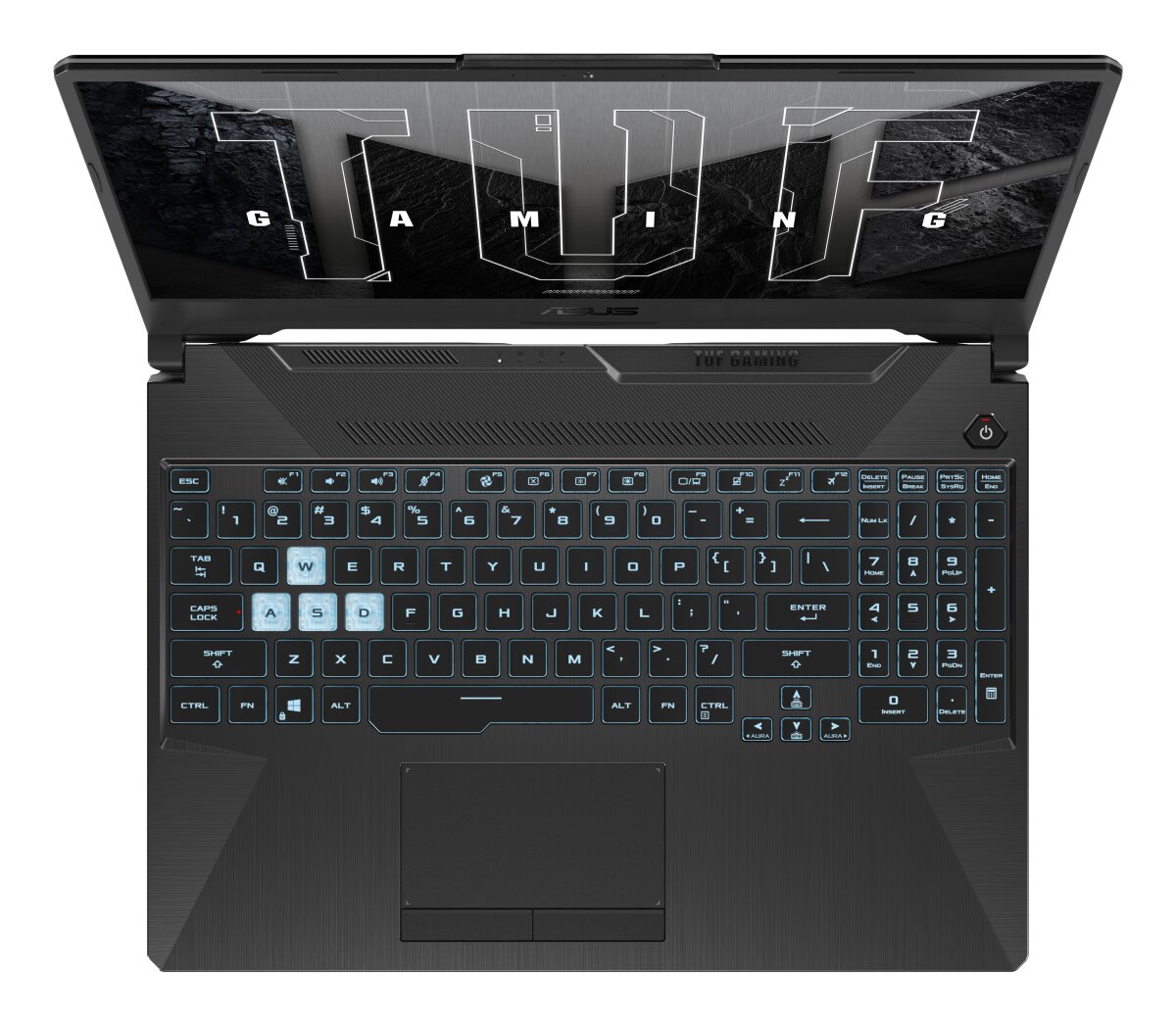


ASUS TUF Gaming A15 FA506NF-HN050 laptop features dual SO-DIMM memory slots supporting DDR5-SDRAM upgrade specifications. Maximum RAM capacity reaches 32 GB with compatible modules operating at 5600 MHz frequency. The upgrade slots accommodate standard SO-DIMM form factor memory upgrades, enabling users to expand the laptop's total memory capacity by replacing or supplementing existing RAM modules.
Memory Upgrade Specifications
| Specification | Value |
|---|---|
| Memory slots | 2x SO-DIMM |
| Form factor | SO-DIMM |
| Memory type | DDR5-SDRAM |
| Frequency | 5600 MHz |
| Maximum RAM | 32 GB |
| Voltage | 1.1V |
| Number of pins | 262-pin |
| Interface | PC5 |
| PC Speed Rating | PC5-5600 (PC5-44800) |
| Bandwidth | 44.8 GB/s |
Additional Notes
- The ASUS TUF Gaming FA506NF-HN050 memory controller caps system capacity at 32 GB total, meaning dual-channel configurations are limited to 2x16 GB modules regardless of higher-density module availability.
- DDR5-5600 represents the official JEDEC speed supported by the platform, though actual performance depends on CPU memory controller specifications and potential manufacturer-implemented speed limitations in BIOS.
- SO-DIMM DDR5 modules require 262-pin compatibility and operate at 1.1V standard voltage, eliminating any DDR4 SO-DIMM cross-compatibility due to different keying notches and electrical requirements.
- Dual-channel bandwidth reaches 89.6 GB/s theoretical maximum with both slots populated at 5600 MT/s, while single-module configurations halve memory bandwidth to 44.8 GB/s regardless of module capacity.
- Upgrading necessitates verifying module height clearance beneath the laptop chassis, as low-profile SO-DIMM variants may be required in confined thermal designs common to gaming laptops.
- Mixing DDR5 modules with different rated speeds forces all modules to operate at the lowest common frequency, potentially underutilizing faster module investments.
- Non-matching module capacities between slots still enables dual-channel mode through flex mode technology, though only the matched capacity portion of each module runs in dual-channel while excess capacity defaults to single-channel operation.
- Opening the chassis for memory installation typically voids regional warranty seals in certain markets, requiring verification of warranty terms specific to the purchase region before proceeding with user-installed upgrades.
- DDR5 on-die ECC operates transparently at the DRAM level but differs from server-grade ECC, providing internal error correction without system-level reporting or scrubbing capabilities.
- Power management for DDR5 shifts voltage regulation onto each module through integrated PMIC chips, meaning module quality directly affects power efficiency and thermal output under sustained memory workloads.