ASUS TUF Gaming FA506NFR-HN003W RAM upgrade specifications




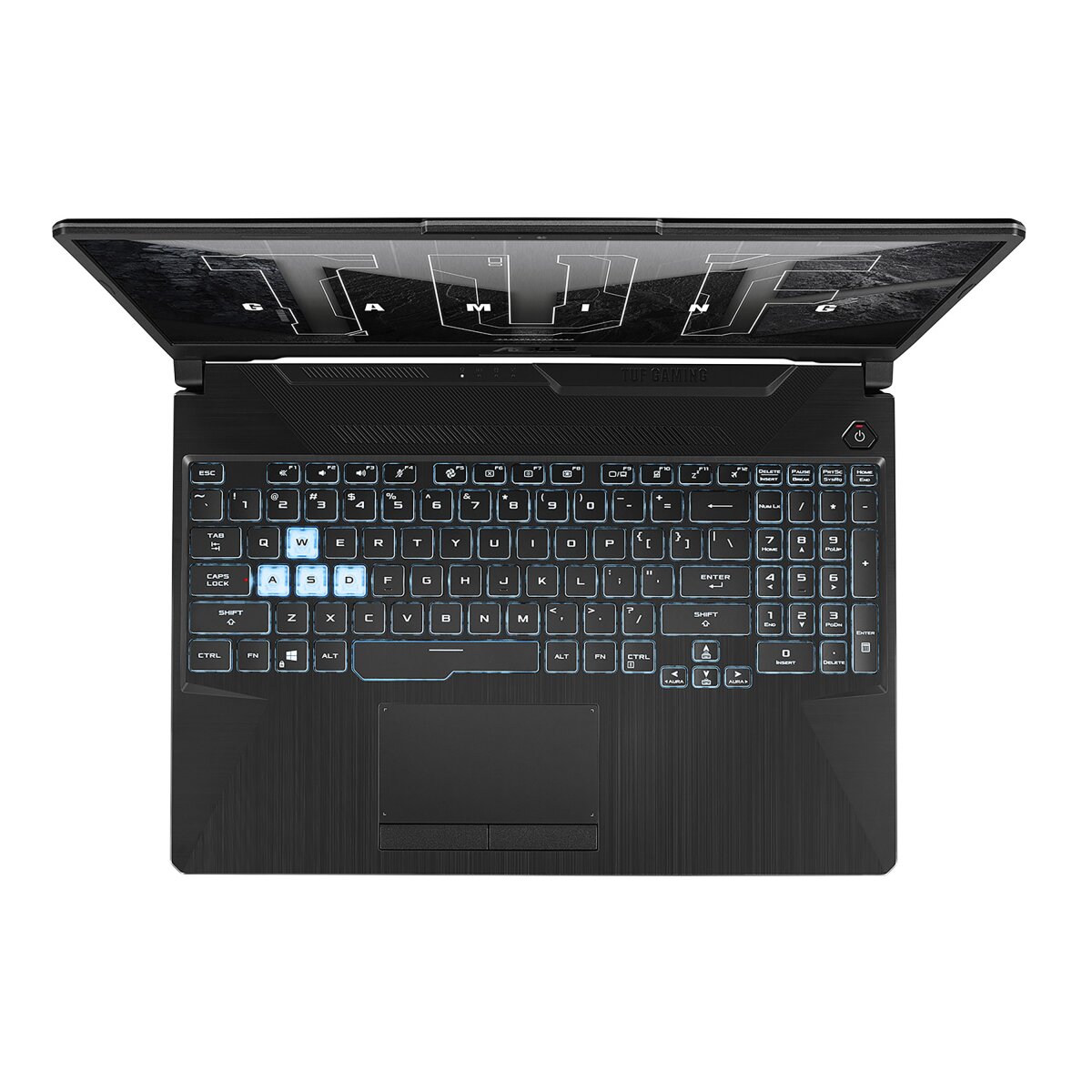
ASUS TUF Gaming A15 FA506NFR-HN003W features DDR5-SDRAM memory upgrade capacity. The laptop contains two SO-DIMM slots supporting maximum RAM of 32 GB total. Compatible memory modules operate at 5600 MHz frequency. Upgrade specifications enable users to expand memory capacity by installing DDR5-SDRAM modules in available slots. Maximum upgrade configuration reaches 32 GB capacity for enhanced multitasking and performance demands. SO-DIMM form factor ensures compatibility with this gaming laptop's memory slots.
Memory Upgrade Specifications
| Specification | Value |
|---|---|
| Memory slots | 2x SO-DIMM |
| Form factor | SO-DIMM |
| Memory type | DDR5-SDRAM |
| Frequency | 5600 MHz |
| Maximum RAM | 32 GB |
| Voltage | 1.1V |
| Number of pins | 262-pin |
| Interface | PC5 |
| PC Speed Rating | PC5-5600 (PC5-44800) |
| Bandwidth | 44.8 GB/s |
Additional Notes
- The DDR5-5600 specification means modules must support JEDEC standard voltage of 1.1V, as DDR5 operates at a lower voltage than DDR4's 1.2V.
- Both SO-DIMM slots support dual-channel operation when populated with matched modules, doubling the memory bandwidth from 44.8 GB/s per channel to 89.6 GB/s total.
- The 32 GB maximum capacity indicates chipset limitations that prevent recognition of higher-density modules, even if 64 GB DDR5 SO-DIMMs become available.
- DDR5's on-die ECC operates independently from traditional ECC memory, providing error correction without requiring registered modules or affecting the non-ECC status of standard consumer SO-DIMMs.
- Mixing different memory speeds will force all modules to run at the frequency of the slowest stick, potentially reducing a 6400 MHz module to 5600 MHz operation.
- The ASUS TUF Gaming FA506NFR-HN003W utilizes soldered-on channel configuration is unlikely given the 2x SO-DIMM specification, meaning both slots are user-accessible for upgrades.
- DDR5 SO-DIMM notch positioning differs from DDR4 by 2mm, creating physical incompatibility that prevents insertion of previous-generation modules into the slots.
- Memory latency at DDR5-5600 typically ranges from CL40 to CL46, representing absolute timings of 14.3 to 16.5 nanoseconds that affect application responsiveness.
- Upgrading from single-channel to dual-channel configuration can yield 30-50% performance gains in GPU-dependent tasks due to integrated graphics reliance on system memory bandwidth.
- SO-DIMM module height for DDR5 standardizes at 30mm, but some modules with enhanced heat spreaders may exceed this dimension and create clearance issues with the keyboard deck assembly.
- The 5600 MHz native frequency eliminates traditional XMP or DOCP overclocking requirements, as this speed represents the JEDEC standard rather than an overclocked profile.
- Warranty preservation typically requires maintaining at least one original factory-installed module during upgrades, though specific policies vary by region and warranty terms.