ASUS TUF Gaming FA506NFR-HN008 RAM upgrade specifications


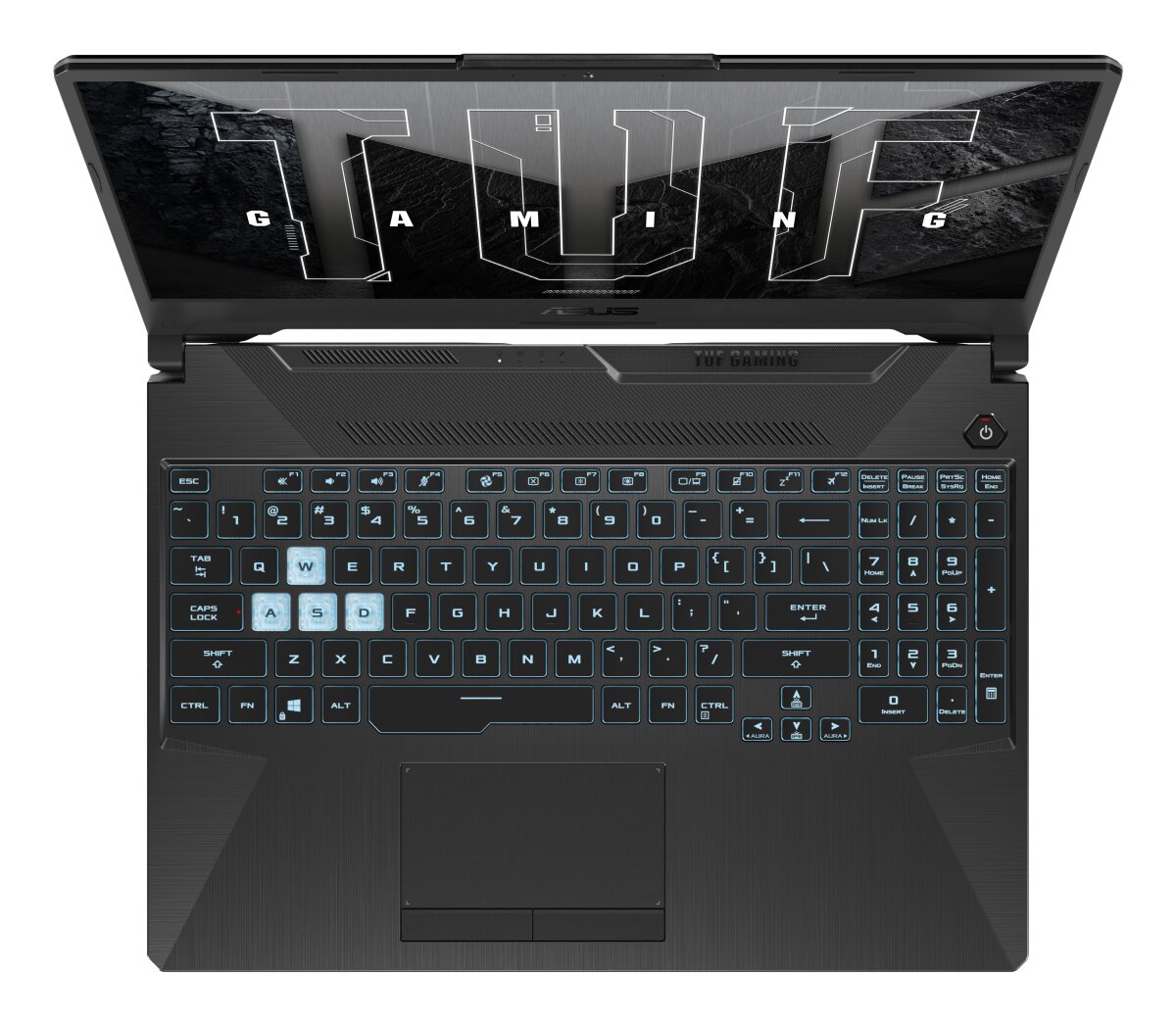


The ASUS TUF Gaming A15 FA506NFR-HN008 features two SO-DIMM slots supporting DDR5-SDRAM memory upgrades. Compatible RAM specifications include 5600 MHz frequency with maximum capacity of 32 GB total. The laptop accommodates SO-DIMM form factor modules, allowing users to expand memory configuration by replacing or adding modules within available slots. Upgrade options enable enhanced multitasking and performance for gaming and demanding applications on this TUF Gaming series machine.
Memory Upgrade Specifications
| Specification | Value |
|---|---|
| Memory slots | 2x SO-DIMM |
| Form factor | SO-DIMM |
| Memory type | DDR5-SDRAM |
| Frequency | 5600 MHz |
| Maximum RAM | 32 GB |
| Voltage | 1.1V |
| Number of pins | 262-pin |
| Interface | PC5 |
| PC Speed Rating | PC5-5600 (PC5-44800) |
| Bandwidth | 44.8 GB/s |
Additional Notes
- The ASUS TUF Gaming FA506NFR-HN008 uses DDR5 SO-DIMM modules, which are physically incompatible with DDR4 slots found in older laptop generations. Attempting DDR4 installation will result in mechanical blocking and potential socket damage.
- SO-DIMM form factor occupies minimal motherboard space and requires vertical insertion into dedicated slots, restricting upgrade access to specific internal compartments that may require keyboard or palmrest removal.
- 5600 MHz memory frequency represents the manufacturer-validated specification. Third-party modules rated higher than 5600 MHz may experience stability issues or automatic downclocking to this threshold due to JEDEC profile limitations in the BIOS.
- The 32 GB capacity ceiling (2 slots × 16 GB maximum per slot) cannot be exceeded regardless of module specifications. Single 24 GB or 48 GB modules marketed for other platforms will not function in this configuration.
- DDR5-5600 memory operates at higher voltages and generates more heat than DDR4 equivalents. Upgraded modules require passive cooling or heat spreaders to prevent thermal throttling during sustained gaming workloads, particularly in the secondary DIMM slot positioned closer to the CPU.
- SO-DIMM DDR5 modules have limited third-party availability compared to desktop UDIMM counterparts, potentially restricting warranty-compliant upgrade sourcing to ASUS-approved vendors or specific manufacturer batches.
- Populating both SO-DIMM slots simultaneously may reduce maximum memory frequency by 100-200 MHz depending on motherboard microcode implementation, creating a performance versus capacity tradeoff.