ASUS TUF Gaming FA507NU-LP051-GAMING RAM upgrade specifications




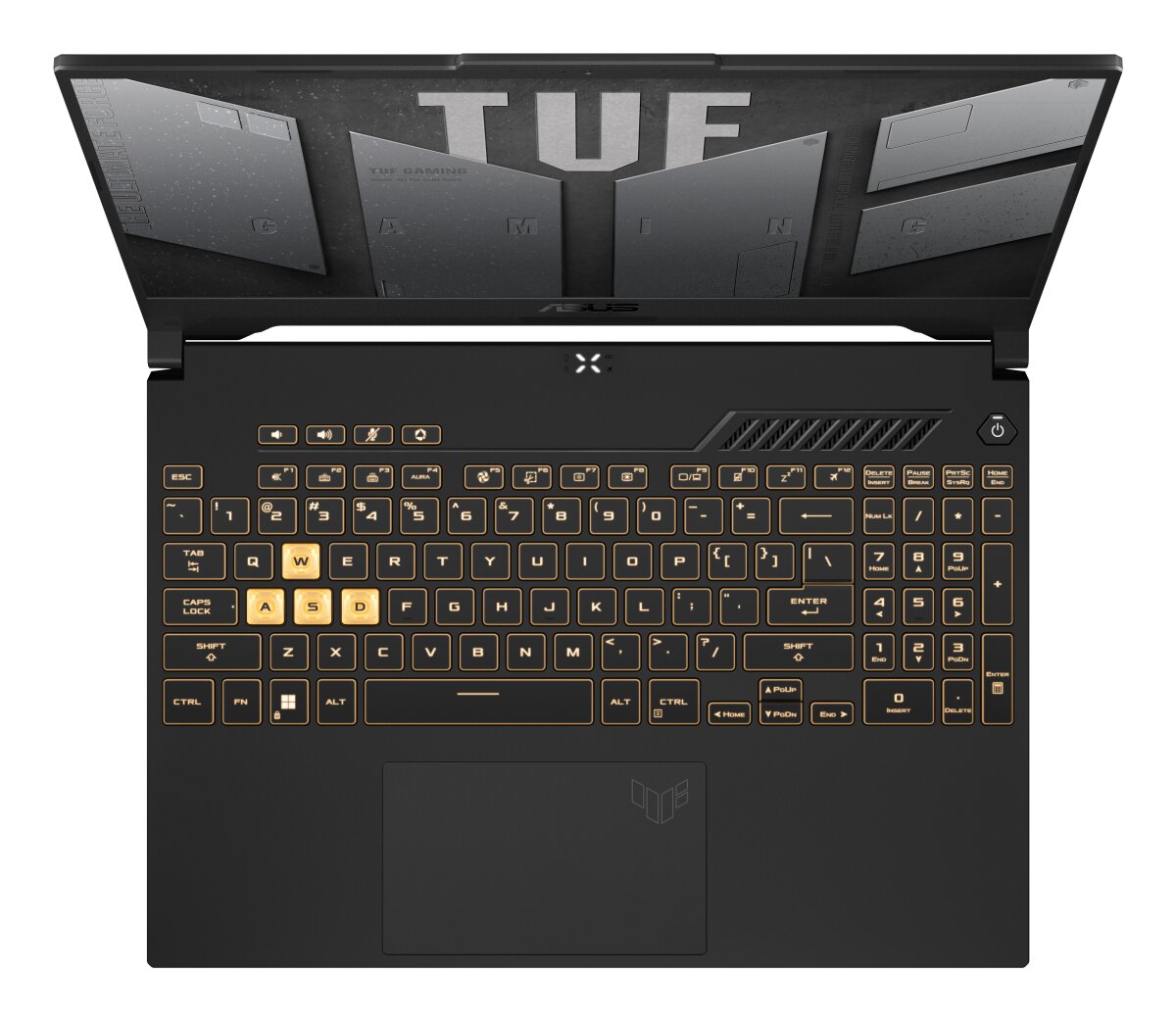
The ASUS TUF Gaming A15 FA507NU-LP051-GAMING laptop features two SO-DIMM memory slots supporting DDR5-SDRAM upgrades at 4800 MHz frequency. Maximum RAM capacity reaches 32 GB total, enabling users to expand from factory configurations. Compatible DDR5 SO-DIMM modules can be installed in either slot for memory upgrades. The specifications support dual-channel DDR5 memory architecture for enhanced performance in gaming and content creation applications.
Memory Upgrade Specifications
| Specification | Value |
|---|---|
| Memory slots | 2x SO-DIMM |
| Form factor | SO-DIMM |
| Memory type | DDR5-SDRAM |
| Frequency | 4800 MHz |
| Maximum RAM | 32 GB |
| Voltage | 1.1V |
| Number of pins | 262-pin |
| Interface | PC5 |
| PC Speed Rating | PC5-4800 (PC5-38400) |
| Bandwidth | 38.4 GB/s |
Additional Notes
- The ASUS TUF Gaming FA507NU-LP051-GAMING imposes a 32 GB ceiling due to chipset or BIOS addressing limitations, preventing recognition of higher-capacity modules even if physically installed.
- DDR5-4800 represents JEDEC baseline speed, meaning faster XMP/EXPO modules will downclock to 4800 MHz unless platform supports manual overclocking.
- SO-DIMM DDR5 modules require 262-pin connectors and 1.1V operating voltage, making DDR4 SO-DIMMs physically incompatible despite similar dimensions.
- Dual-channel configuration requires matched pairs in both slots for optimal bandwidth, as asymmetric population results in single-channel fallback for mismatched capacity.
- 4800 MT/s effective transfer rate delivers 38.4 GB/s theoretical bandwidth per channel, totaling 76.8 GB/s in dual-channel mode when both slots populated symmetrically.
- DDR5 on-die ECC operates transparently without user intervention but does not replace full ECC functionality found in workstation platforms.
- Maximum per-slot capacity calculates to 16 GB modules when targeting the 32 GB system limit across 2 slots.
- Thermal considerations emerge with DDR5 due to higher power draw compared to DDR4, though SO-DIMM form factor lacks dedicated heatsinks unlike desktop DIMMs.
- Module height restrictions in laptop chassis typically limit SO-DIMM to 30mm maximum, excluding compatibility with taller aftermarket heat spreaders.
- Mixed-brand or mixed-timing modules may force conservative JEDEC fallback timings rather than optimized XMP profiles, reducing effective latency performance.
- Warranty preservation requires verification that memory upgrades constitute user-serviceable components under manufacturer terms, as some regions classify RAM replacement as authorized-only.
- CAS latency absolute values increase with DDR5 despite similar CL ratings to DDR4, meaning CL40 at 4800 MHz yields comparable real-world latency to DDR4-3200 CL22.