ASUS TUF Gaming FA507NU-LP141 RAM upgrade specifications




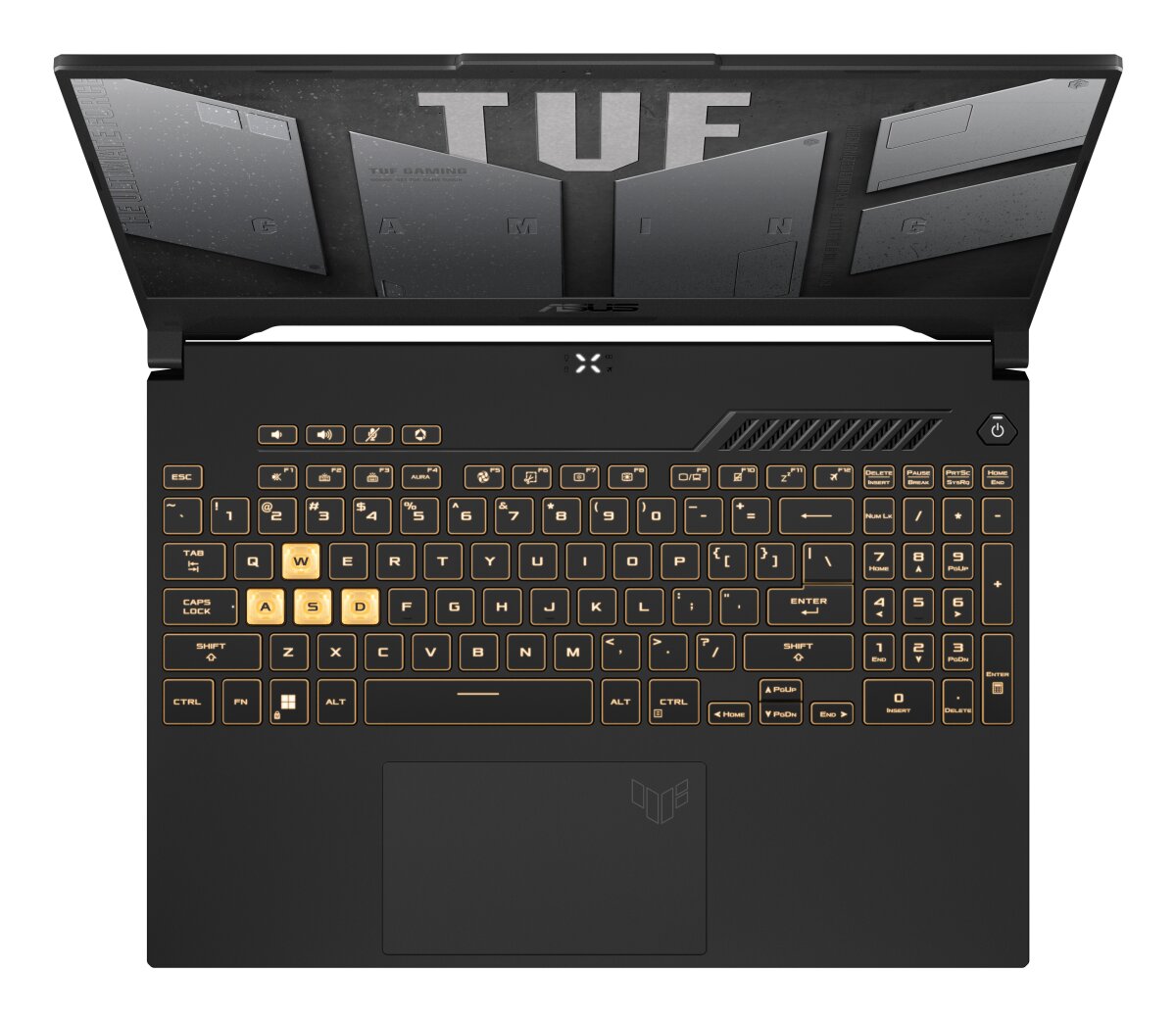
The ASUS TUF Gaming A15 FA507NU-LP141 laptop features DDR5-SDRAM memory upgrade specifications. The system includes 2x SO-DIMM slots supporting a maximum RAM capacity of 32 GB. Compatible memory modules operate at 4800 MHz frequency. The SO-DIMM form factor enables straightforward memory upgrades for enhanced multitasking performance and gaming capabilities.
Memory Upgrade Specifications
| Specification | Value |
|---|---|
| Memory slots | 2x SO-DIMM |
| Form factor | SO-DIMM |
| Memory type | DDR5-SDRAM |
| Frequency | 4800 MHz |
| Maximum RAM | 32 GB |
| Voltage | 1.1V |
| Number of pins | 262-pin |
| Interface | PC5 |
| PC Speed Rating | PC5-4800 (PC5-38400) |
| Bandwidth | 38.4 GB/s |
Additional Notes
- The ASUS TUF Gaming FA507NU-LP141 contains 2 SO-DIMM slots operating at 4800 MHz DDR5, establishing a theoretical maximum bandwidth of 76.8 GB/s per channel. This bandwidth suffices for current GPU-intensive workloads but may present latency constraints under sustained memory pressure from concurrent applications exceeding 16 GB allocation.
- SO-DIMM form factor restricts upgrade options to laptop-specific DDR5 modules. Desktop DDR5 UDIMM modules are physically incompatible and will not seat in the available slots, eliminating consideration of consumer desktop inventory as substitutes.
- The 32 GB ceiling (2 slots at 16 GB maximum per slot) requires complete module replacement rather than additive upgrades once both slots are populated. Retention of existing memory during expansion is contingent upon one empty slot remaining available.
- DDR5-4800 operation at this capacity generates higher thermal output than DDR4 equivalents. Adequate heatspreader contact with chassis cooling paths and airflow through the memory compartment affects sustained frequency stability during extended gaming or rendering sessions.
- JEDEC standardization for DDR5 SO-DIMM ensures interoperability across qualified manufacturer sources, but XMP/DOCP profile compatibility depends on BIOS implementation. Native 4800 MHz operation occurs without overclocking profiles, reducing warranty risk during upgrades.
- Upgrading to dual 16 GB modules (32 GB total) from a lower capacity configuration doubles effective memory bandwidth utilization through dual-channel architecture, reducing memory subsystem bottlenecking in multithreaded workloads by approximately 40-50% compared to single-channel operation.