ASUS TUF Gaming FA507NU-LP133W RAM upgrade specifications

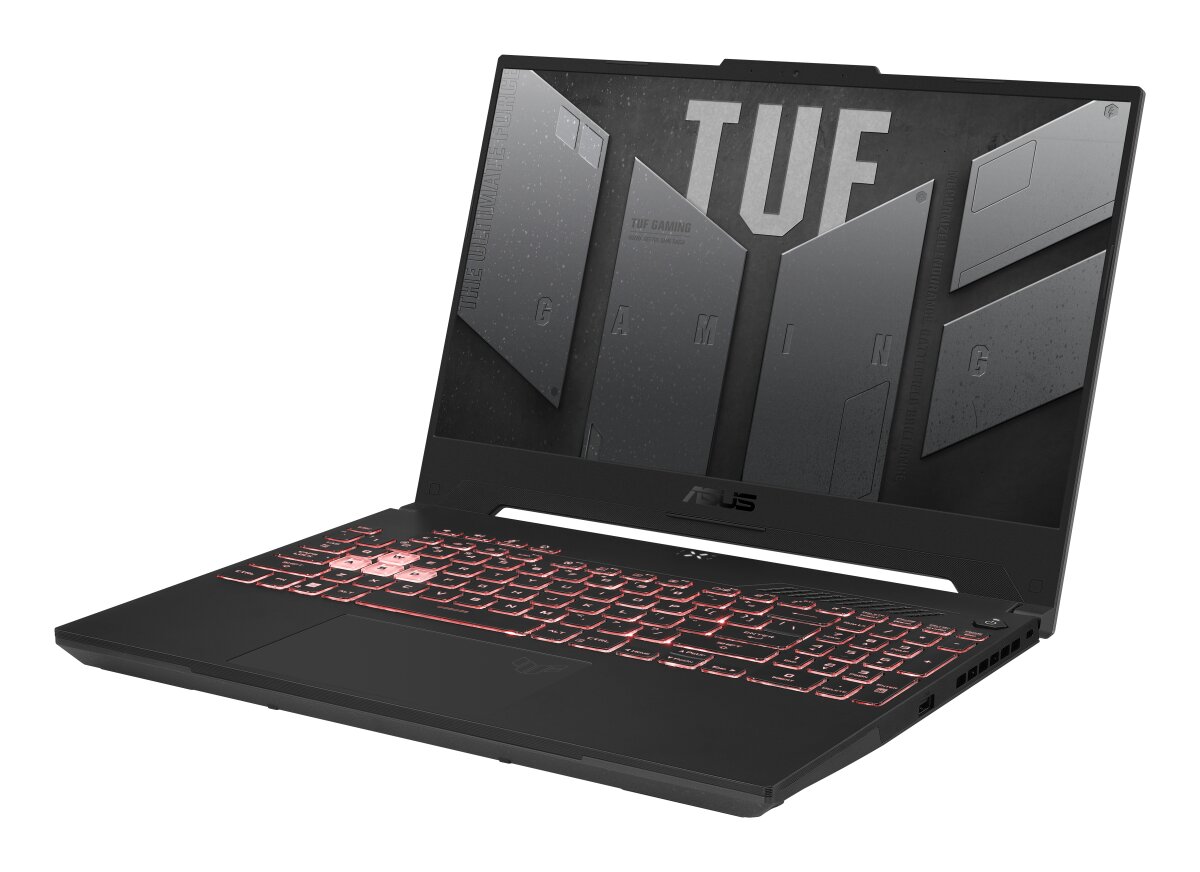
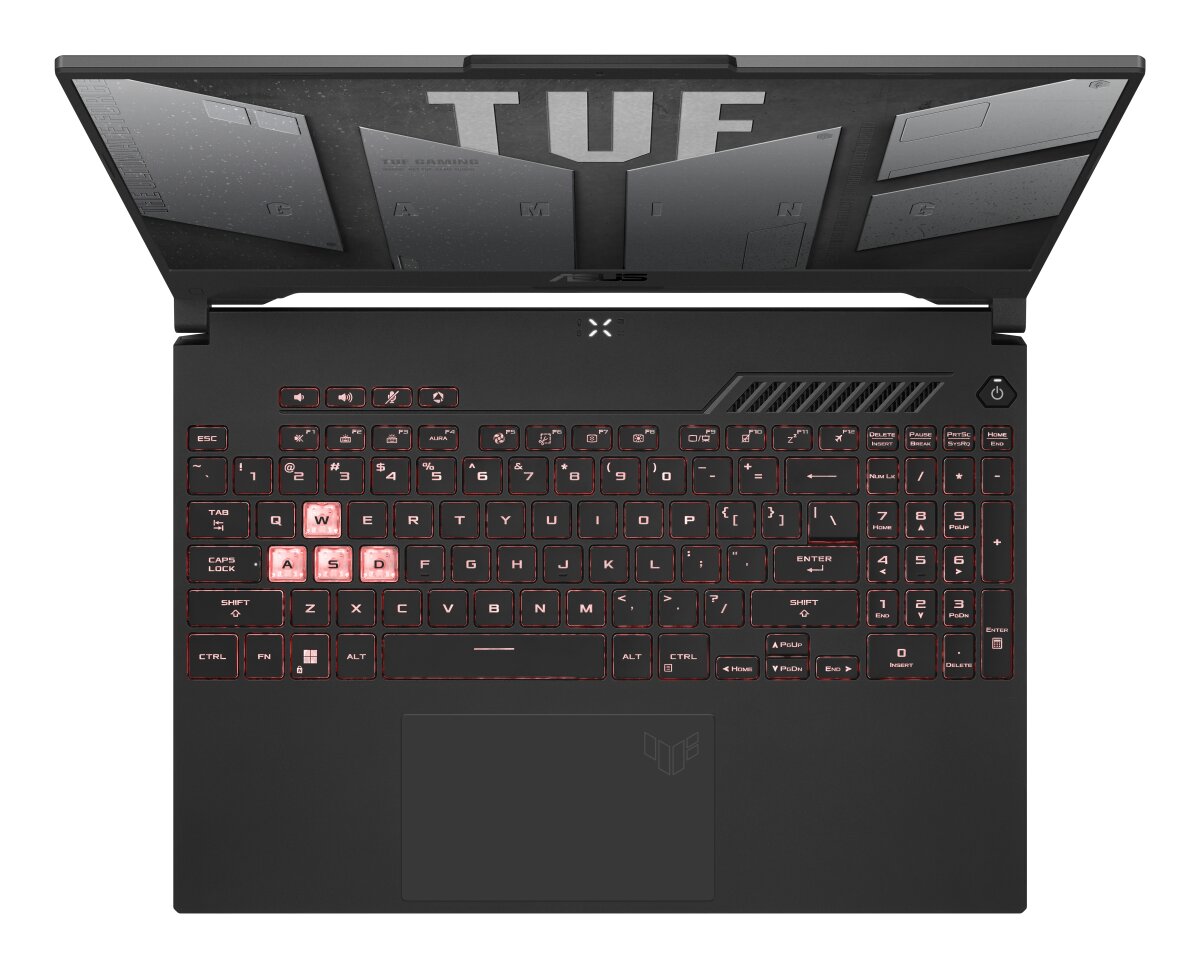
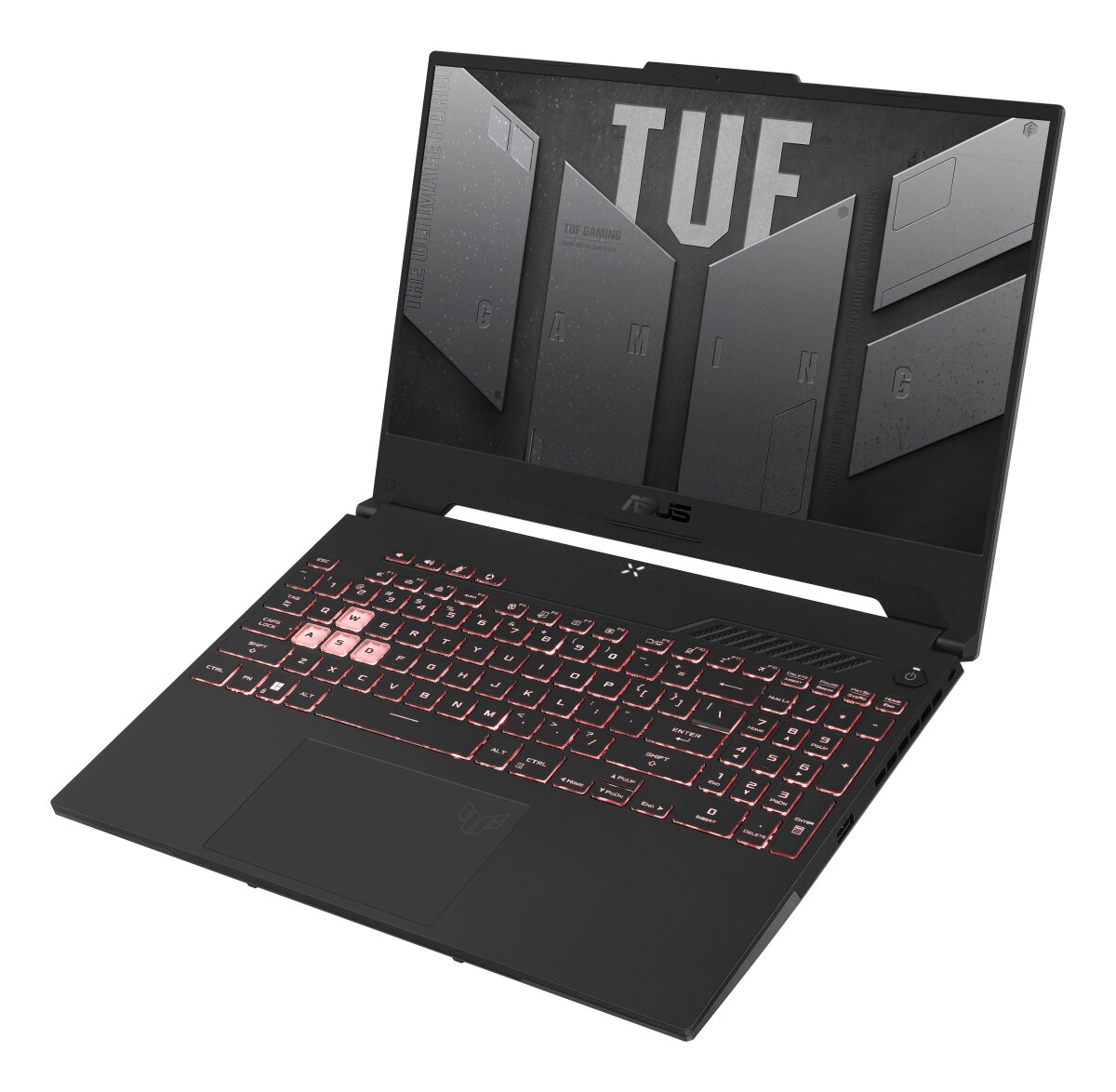
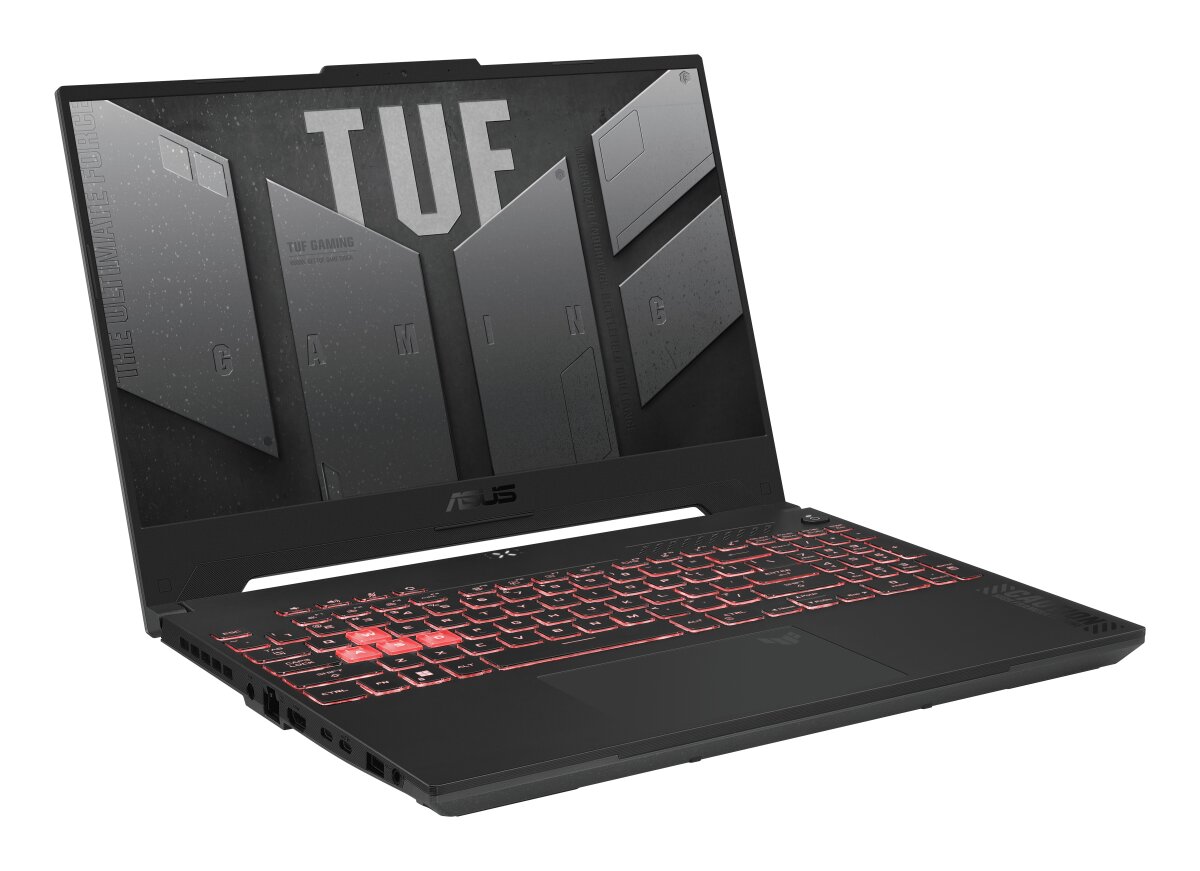
ASUS TUF Gaming A15 FA507NU-LP133W laptop features DDR5-SDRAM memory configuration with two SO-DIMM slots supporting maximum capacity of 32 GB RAM. Memory upgrade specifications indicate compatibility with DDR5 modules operating at 4800 MHz frequency. The SO-DIMM form factor enables memory expansion for enhanced multitasking and performance capabilities. Current memory slots accommodate modular memory upgrades to reach the maximum supported capacity. RAM specifications are designed for compatible DDR5 memory modules meeting the laptop's technical requirements and operating parameters.
Memory Upgrade Specifications
| Specification | Value |
|---|---|
| Memory slots | 2x SO-DIMM |
| Form factor | SO-DIMM |
| Memory type | DDR5-SDRAM |
| Frequency | 4800 MHz |
| Maximum RAM | 32 GB |
| Voltage | 1.1V |
| Number of pins | 262-pin |
| Interface | PC5 |
| PC Speed Rating | PC5-4800 (PC5-38400) |
| Bandwidth | 38.4 GB/s |
Additional Notes
- The ASUS TUF Gaming FA507NU-LP133W implements a dual-channel memory architecture that requires matched module pairs for optimal bandwidth utilization, as asymmetric configurations may force single-channel operation and halve theoretical throughput.
- DDR5 modules operating at 4800 MT/s deliver approximately 38.4 GB/s per channel in dual-channel mode, sufficient for gaming workloads but representing the entry-level tier of DDR5 performance standards established in 2021.
- The 32 GB ceiling necessitates 2x16 GB module configuration to reach maximum capacity, as 2x8 GB installations would underutilize the platform's supported density and leave no upgrade path without discarding existing modules.
- DDR5 SO-DIMM modules incorporate on-die ECC and power management integrated circuits absent in DDR4, requiring voltage regulation at 1.1V nominal compared to DDR4's 1.2V standard.
- JEDEC-standard DDR5-4800 modules maintain SPD profiles compatible with this specification, while XMP 3.0 or EXPO overclocking profiles may exceed platform validation and void coverage under standard warranty terms.
- Thermal considerations emerge when populating both slots with maximum density modules, as DDR5's higher transistor count generates increased heat dissipation requiring adequate chassis airflow to prevent thermal throttling.
- SO-DIMM physical interface measures 67.6mm in length with 260-pin contact design, incompatible with desktop DIMM form factors despite shared DDR5 electrical specifications.
- Module latency specifications beyond CAS latency (CL40 being typical for DDR5-4800) affect real-world responsiveness, though JEDEC baseline timings ensure functional compatibility across manufacturers.
- Mixing modules with different density configurations per DIMM (single-rank versus dual-rank) may force operation at lowest common denominator speeds or prevent POST completion depending on chipset memory controller implementation.
- The absence of ECC validation in consumer TUF Gaming specifications means registered or unbuffered ECC SO-DIMMs, while physically compatible, will likely operate in non-ECC mode or fail recognition.