ASUS TUF Gaming FA507NU-LP116W RAM upgrade specifications

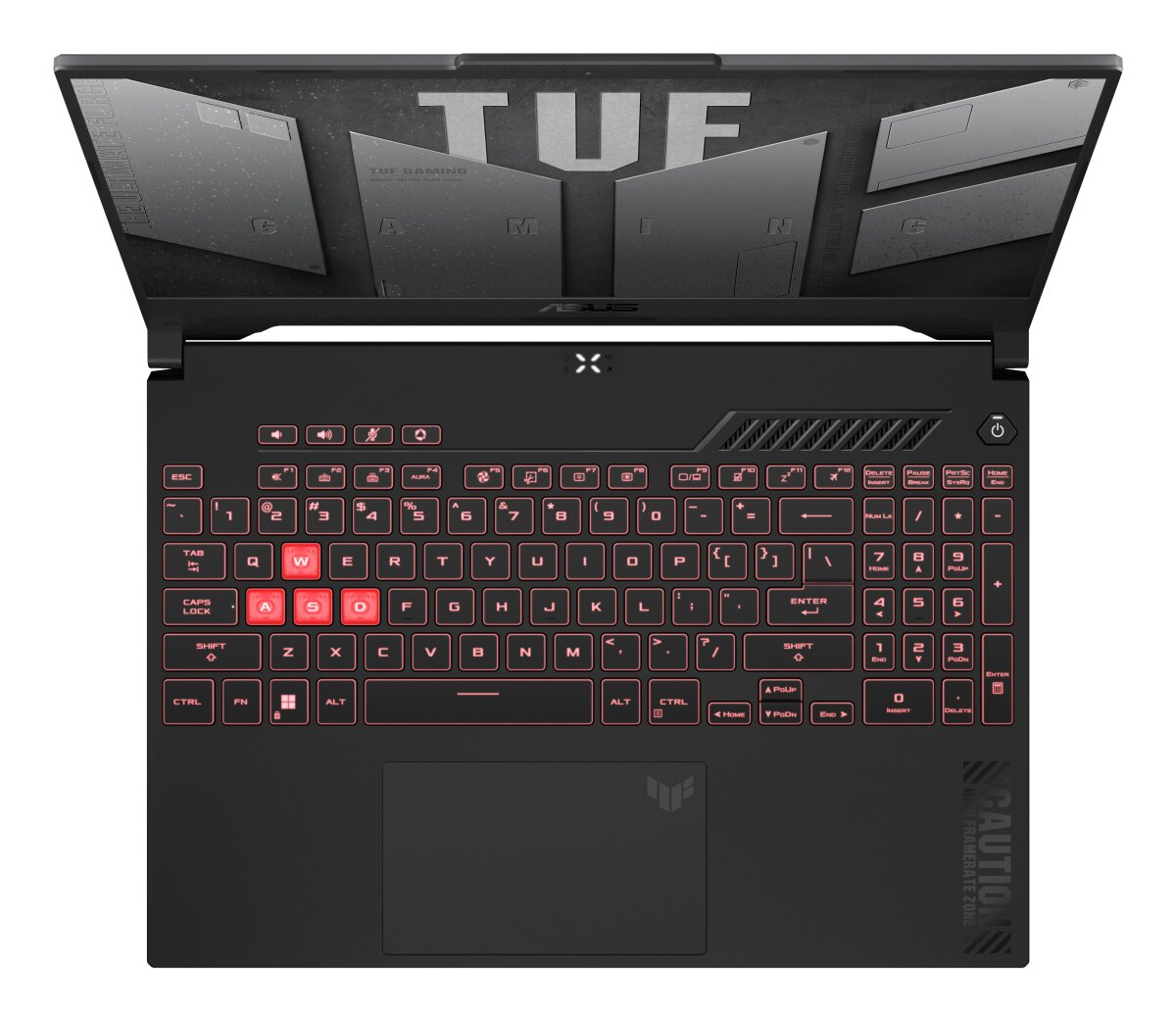



The ASUS TUF Gaming A15 FA507NU-LP116W features DDR5-SDRAM memory upgrade specifications. The laptop contains 2x SO-DIMM slots supporting maximum RAM capacity of 32 GB. Compatible memory modules operate at 4800 MHz frequency with SO-DIMM form factor. Upgrade configurations accommodate DDR5 technology for enhanced performance. Specifications indicate dual-slot architecture enabling memory expansion to achieve maximum capacity of 32 GB total. The ASUS TUF Gaming A15 series supports DDR5-SDRAM upgrades through standard SO-DIMM slots.
Memory Upgrade Specifications
| Specification | Value |
|---|---|
| Memory slots | 2x SO-DIMM |
| Form factor | SO-DIMM |
| Memory type | DDR5-SDRAM |
| Frequency | 4800 MHz |
| Maximum RAM | 32 GB |
| Voltage | 1.1V |
| Number of pins | 262-pin |
| Interface | PC5 |
| PC Speed Rating | PC5-4800 (PC5-38400) |
| Bandwidth | 38.4 GB/s |
Additional Notes
- The ASUS TUF Gaming FA507NU-LP116W imposes a 32 GB ceiling across both slots combined, requiring either a 2x16 GB configuration or accepting partial capacity with smaller modules.
- DDR5-4800 represents JEDEC baseline specification rather than performance-oriented speeds, leaving thermal and timing headroom for modules rated at 5200 MHz or higher if the chipset permits.
- Dual SO-DIMM slots enable channel interleaving only when matched modules occupy both positions, cutting memory bandwidth approximately in half under single-stick operation.
- DDR5 architecture eliminates backward compatibility with DDR4 modules due to differing notch positions and voltage requirements, preventing accidental insertion of incompatible memory.
- SO-DIMM form factor restricts aftermarket selection compared to desktop DIMM availability, particularly for specialized low-latency or RGB-equipped kits.
- Mixing modules with different primary timings forces the memory controller to adopt the slowest common denominator, degrading performance below the faster module's rated specification.
- Warranty preservation typically requires non-destructive installation without prying chassis clips or disconnecting ribbon cables beyond the memory compartment access panel.
- The 4800 MHz specification suggests compatibility with JEDEC standard voltage of 1.1V, while XMP or EXPO profiles at higher speeds may require BIOS support verification before purchase.
- Populating both slots increases thermal density within the memory bay, potentially triggering throttling on modules lacking adequate heatspreader surface area during sustained workloads.
- Single-rank versus dual-rank module topology affects interleaving efficiency, with rank configuration transparency often absent from retail packaging specifications.