ASUS TUF Gaming FA507NUR-LP038W RAM upgrade specifications
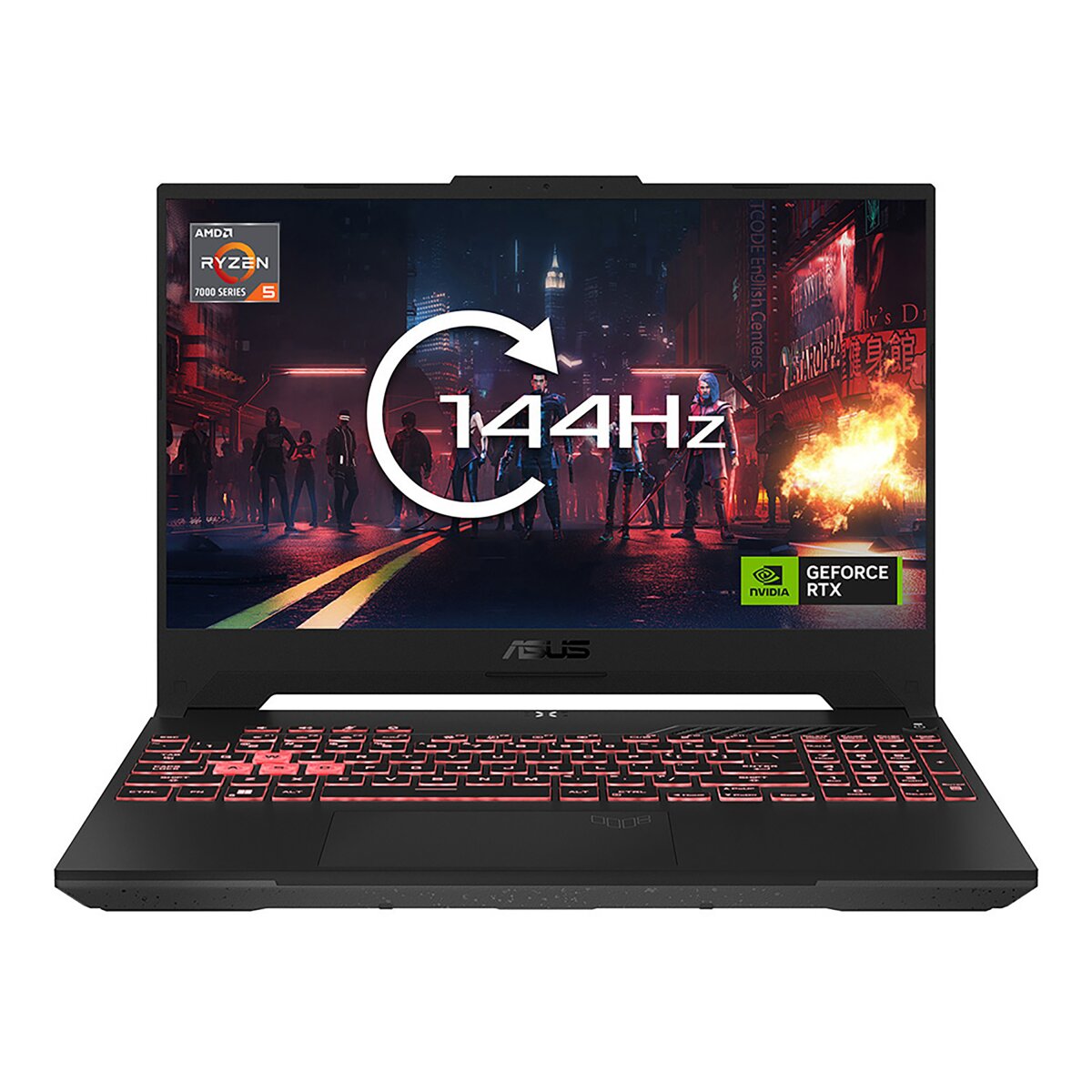

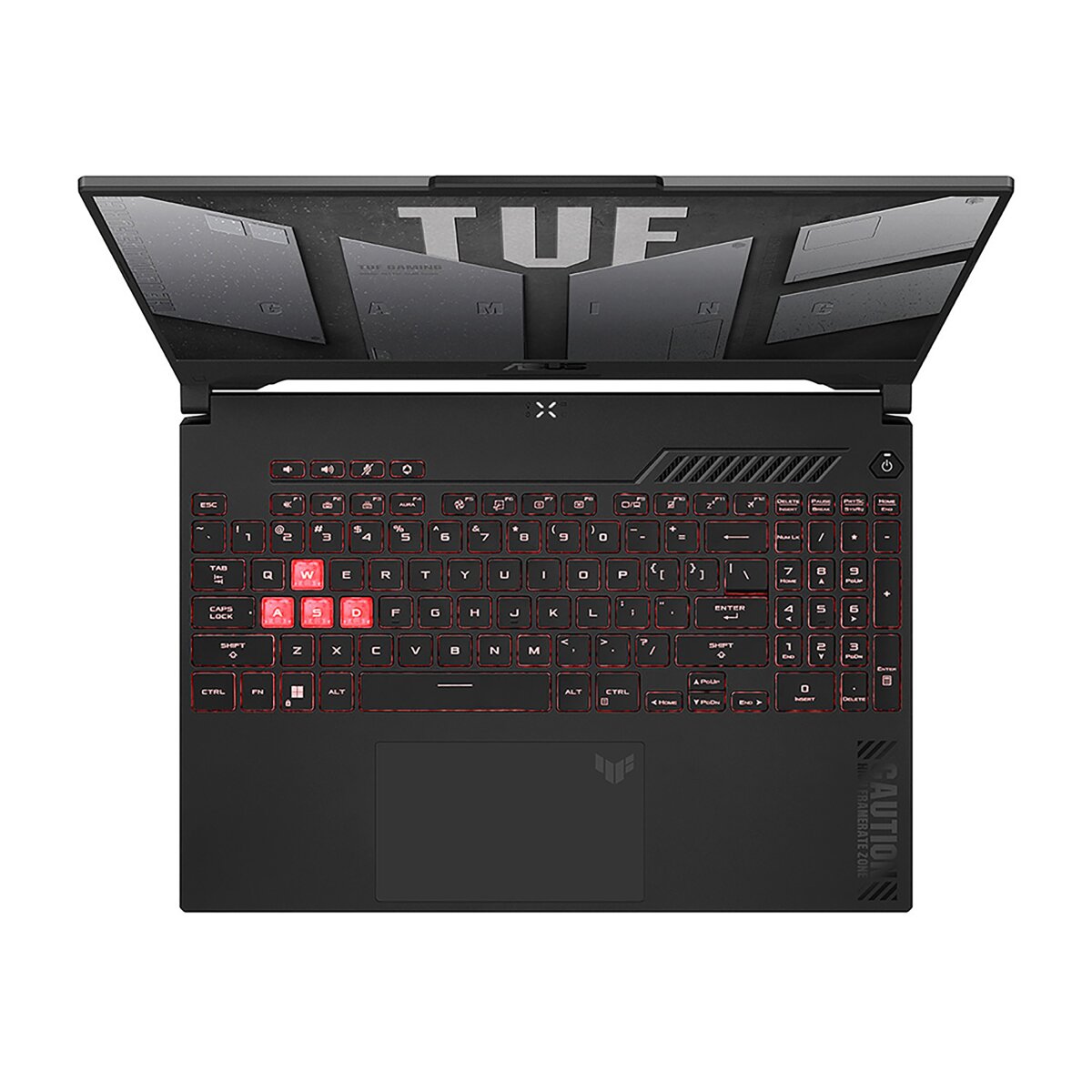
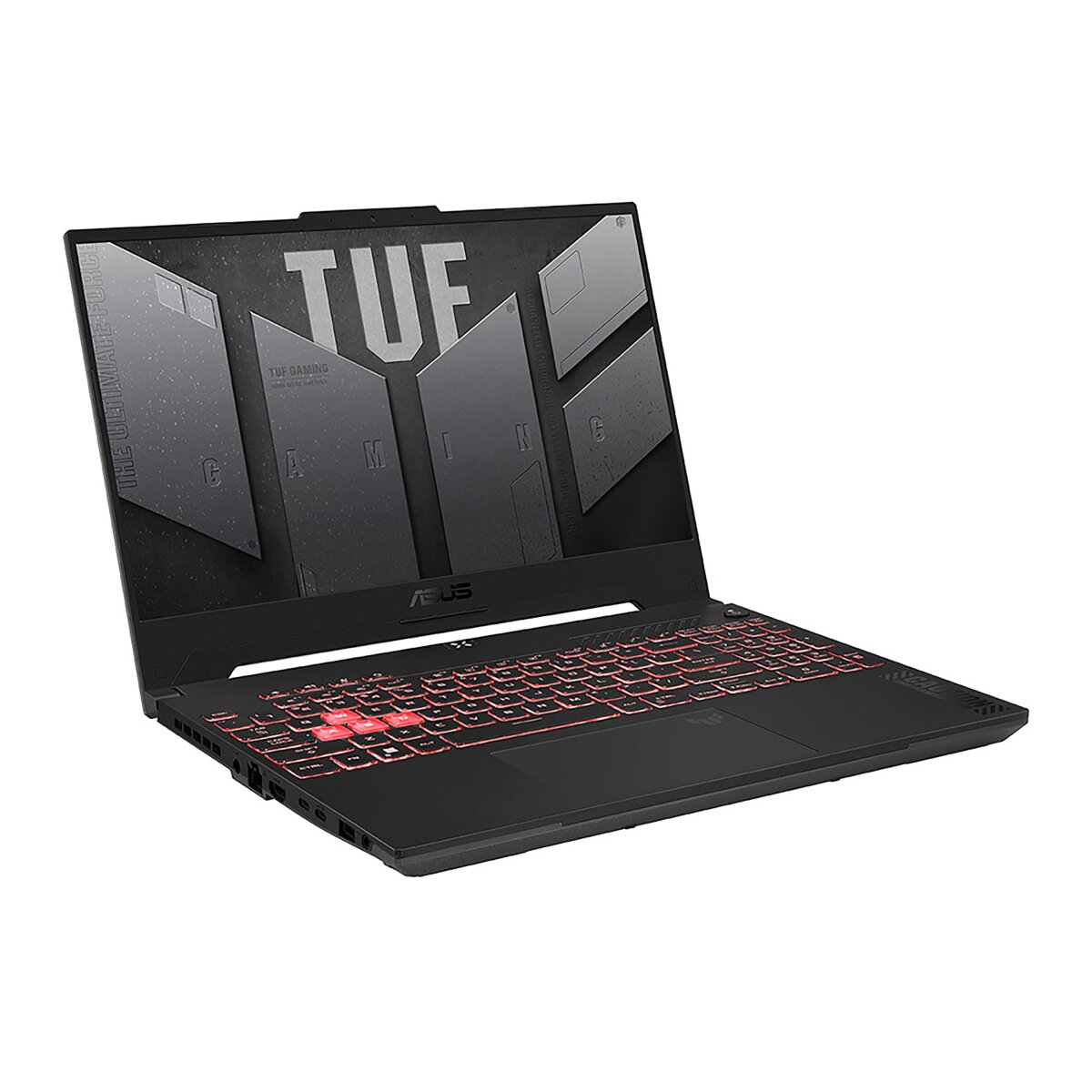

ASUS TUF Gaming A15 series model FA507NUR-LP038W features DDR5-SDRAM memory upgrade capability through two SO-DIMM slots. The laptop supports maximum RAM capacity of 32 GB with compatible DDR5 modules operating at 4800 MHz frequency. The SO-DIMM form factor specifications enable memory expansion for enhanced multitasking performance. Upgrade options accommodate DDR5-SDRAM technology standards, providing compatible memory solutions for this gaming laptop configuration.
Memory Upgrade Specifications
| Specification | Value |
|---|---|
| Memory slots | 2x SO-DIMM |
| Form factor | SO-DIMM |
| Memory type | DDR5-SDRAM |
| Frequency | 4800 MHz |
| Maximum RAM | 32 GB |
| Voltage | 1.1V |
| Number of pins | 262-pin |
| Interface | PC5 |
| PC Speed Rating | PC5-4800 (PC5-38400) |
| Bandwidth | 38.4 GB/s |
Additional Notes
- The DDR5-4800 specification indicates JEDEC standard timing rather than premium XMP profiles, meaning aftermarket modules rated higher than 4800 MHz will downclock to match the chipset's native frequency ceiling.
- The 32 GB maximum capacity suggests a dual-channel configuration limited to 16 GB per slot, which becomes the defining constraint when planning asymmetric memory configurations.
- SO-DIMM DDR5 modules require 1.1V operation as per JEDEC standards, reducing thermal concerns compared to desktop UDIMM equivalents but also eliminating voltage headroom for manual overclocking attempts.
- Both memory slots must remain accessible without motherboard removal in this ASUS TUF Gaming FA507NUR-LP038W chassis, though some designs position one slot beneath the primary M.2 drive heatsink assembly.
- Mixing DDR5 modules with different die revisions (A-die, B-die, M-die) forces the memory controller to operate at the lowest common denominator timings, degrading latency even when capacities and speeds match.
- The 4800 MHz data rate delivers 38.4 GB/s per channel theoretical bandwidth, totaling 76.8 GB/s in dual-channel mode, which directly impacts integrated graphics performance if present.
- DDR5's on-die ECC operates independently of system-level ECC support, providing background error correction without BIOS configuration but without logging capabilities available in server-grade implementations.
- Warranty preservation requires using JEDEC-compliant modules, as non-standard frequencies or timings may void coverage even when physically compatible with the SO-DIMM 262-pin interface.
- Single-rank versus dual-rank module architecture affects interleaving efficiency, with dual-rank DIMMs typically offering 5-10% better memory throughput at identical clock speeds on supported controllers.
- The platform's power delivery circuitry allocates specific current budgets for DDR5 operation, meaning 32 GB configurations draw measurably more standby power than 16 GB setups due to increased module count and density.