ASUS TUF Gaming FA507NUR-LP159-GAMING RAM upgrade specifications




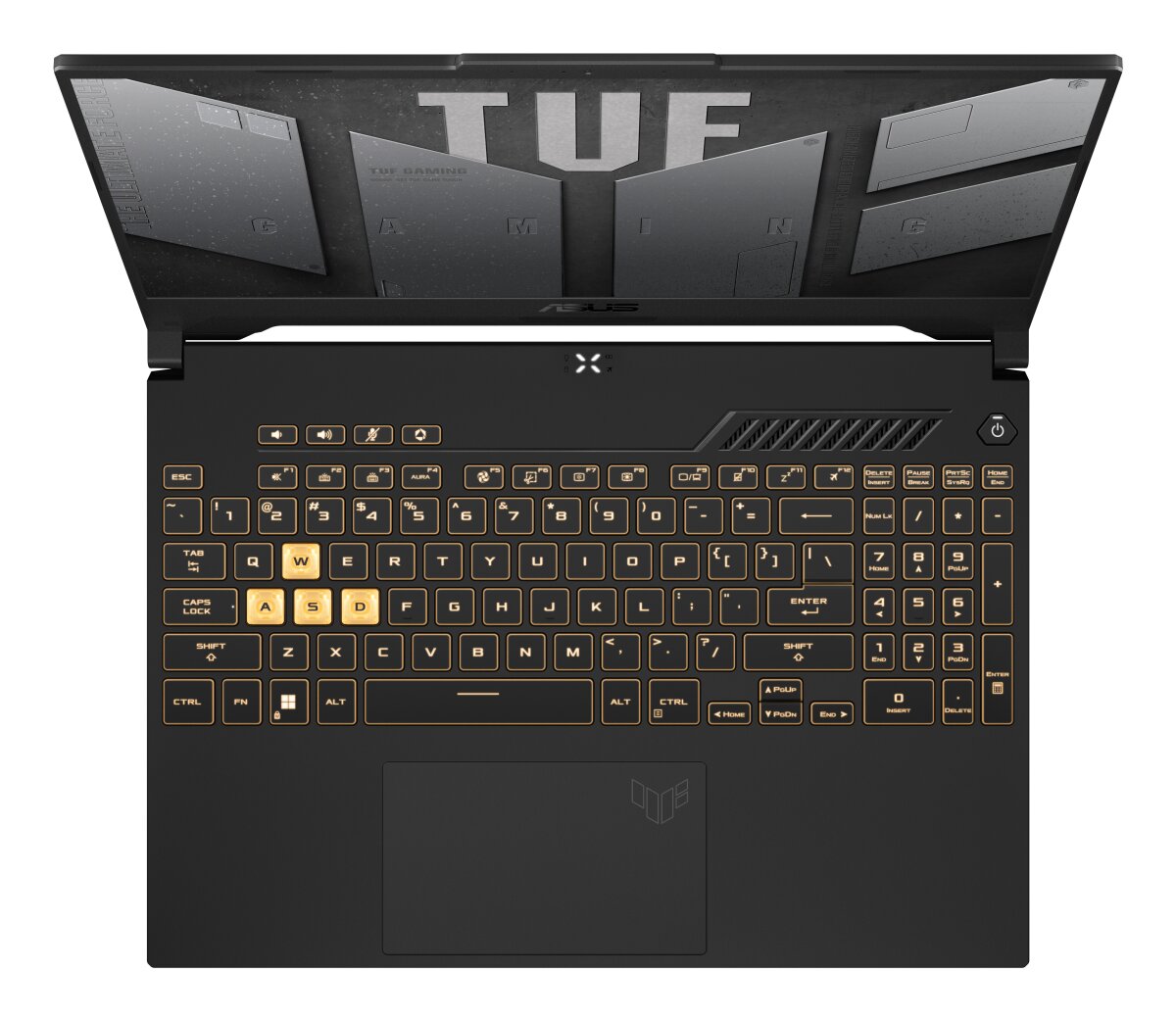
The ASUS TUF Gaming A15 FA507NUR-LP159-GAMING laptop features DDR5-SDRAM memory upgrade specifications. The system contains 2x SO-DIMM memory slots supporting a maximum RAM capacity of 32 GB. Compatible memory operates at 4800 MHz frequency with SO-DIMM form factor. Upgrade options allow installation of DDR5 modules in either slot to increase system memory performance and multitasking capabilities for gaming and professional applications.
Memory Upgrade Specifications
| Specification | Value |
|---|---|
| Memory slots | 2x SO-DIMM |
| Form factor | SO-DIMM |
| Memory type | DDR5-SDRAM |
| Frequency | 4800 MHz |
| Maximum RAM | 32 GB |
| Voltage | 1.1V |
| Number of pins | 262-pin |
| Interface | PC5 |
| PC Speed Rating | PC5-4800 (PC5-38400) |
| Bandwidth | 38.4 GB/s |
Additional Notes
- The 32 GB ceiling reflects AMD platform memory controller limitations rather than physical slot restrictions, meaning 2x16 GB represents the functional maximum configuration regardless of higher-capacity module availability.
- DDR5-4800 operates as JEDEC baseline specification, ensuring backward compatibility with faster modules that will automatically downclock to this native frequency through SPD profile selection.
- The SO-DIMM form factor requirement eliminates desktop UDIMM compatibility, necessitating laptop-specific modules with different pin counts and voltage delivery architectures.
- Dual-channel population requires matched module pairs for interleaved memory access, as asymmetric configurations force single-channel operation and halve effective bandwidth to the integrated GPU.
- DDR5's on-die ECC functions independently of system-level error correction, providing background bit error management without BIOS visibility or user configuration options.
- This ASUS TUF Gaming FA507NUR-LP159-GAMING configuration supports non-XMP standard voltage modules exclusively, as gaming laptop thermal envelopes typically reject overclocked profiles requiring sustained elevated power delivery.
- The 4800 MT/s data rate delivers 38.4 GB/s theoretical bandwidth per channel, though real-world gaming workloads achieve 60-70% efficiency due to command overhead and refresh cycles.
- Module rank configuration affects compatibility, with dual-rank DIMMs providing marginal performance gains but potentially causing stability issues when populating both slots at maximum capacity.
- Accessing SO-DIMM slots requires bottom panel removal, with potential warranty implications varying by region despite right-to-repair regulations in certain jurisdictions.
- DDR5's split-channel architecture per module means each SO-DIMM operates two independent 32-bit channels, making single-slot population still technically dual-channel at reduced overall bandwidth.