ASUS TUF Gaming FA507NV-EH74 RAM upgrade specifications




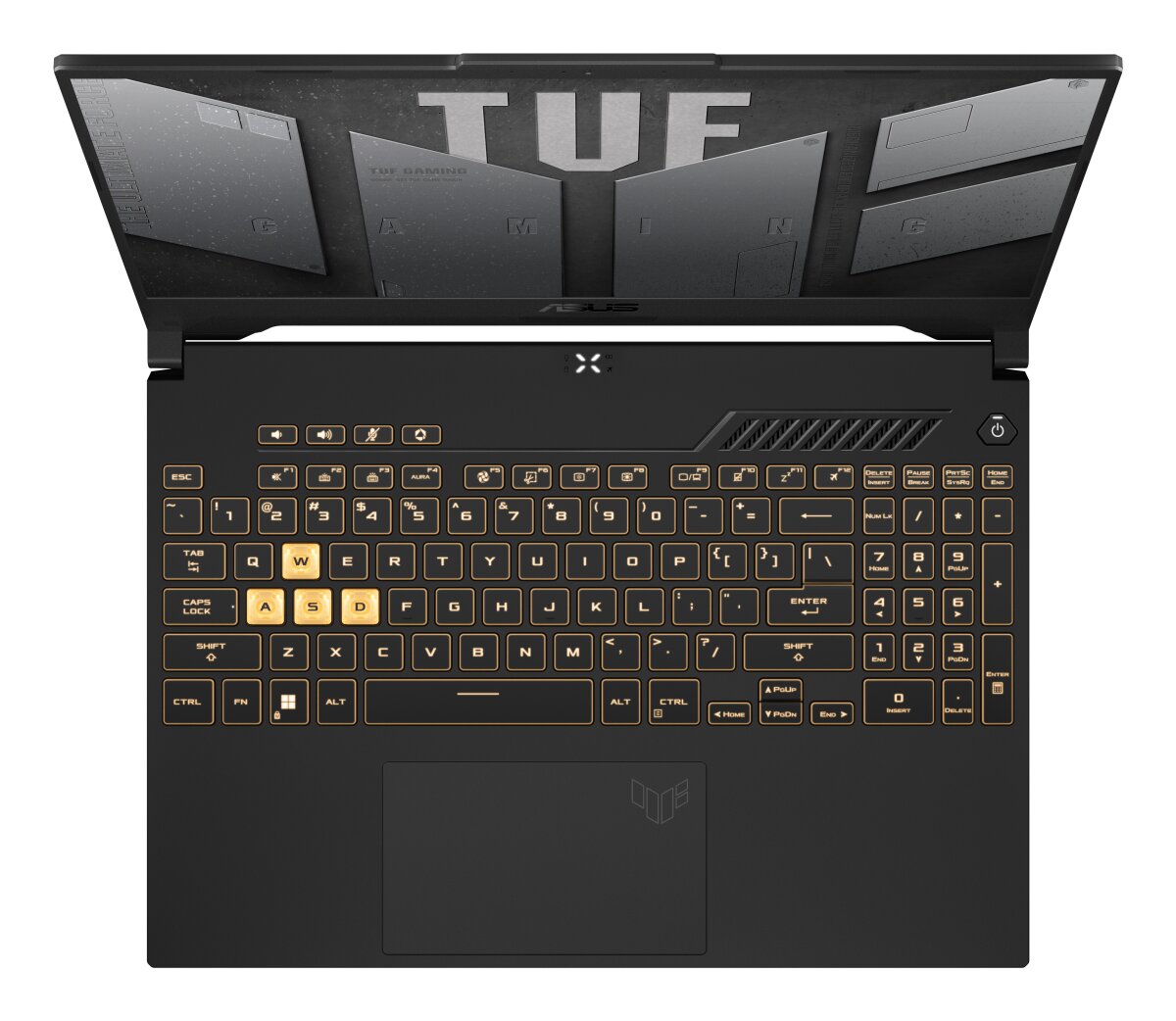
The ASUS TUF Gaming A15 FA507NV-EH74 features DDR5-SDRAM memory upgrade specifications with two SO-DIMM slots supporting maximum capacity of 32 GB. Compatible RAM operates at 4800 MHz frequency. The laptop accommodates SO-DIMM form factor modules. Upgrade options allow installation of matched memory modules in the available slots to enhance system performance and multitasking capabilities.
Memory Upgrade Specifications
| Specification | Value |
|---|---|
| Memory slots | 2x SO-DIMM |
| Form factor | SO-DIMM |
| Memory type | DDR5-SDRAM |
| Frequency | 4800 MHz |
| Maximum RAM | 32 GB |
| Voltage | 1.1V |
| Number of pins | 262-pin |
| Interface | PC5 |
| PC Speed Rating | PC5-4800 (PC5-38400) |
| Bandwidth | 38.4 GB/s |
Additional Notes
- The ASUS TUF Gaming FA507NV-EH74 restricts total memory capacity to 32 GB across both slots, requiring 16 GB modules as the maximum density per slot for configurations targeting the ceiling.
- DDR5 SO-DIMM modules operate at 1.1V compared to DDR4's 1.2V standard, reducing thermal output during sustained workloads but requiring chipset compatibility verification before purchasing legacy generation modules.
- The 4800 MHz frequency represents JEDEC baseline specification for DDR5, meaning faster XMP/EXPO kits rated at 5200 MHz or 5600 MHz will downclock to the system's supported speed without performance benefit.
- Dual-channel population becomes mandatory for bandwidth-sensitive applications, as single-module configurations halve the memory controller's effective throughput from 76.8 GB/s to 38.4 GB/s.
- SO-DIMM form factor limits thermal dissipation compared to desktop UDIMM modules, making heat spreader designs on aftermarket kits cosmetic rather than functional given the compact mounting envelope.
- Mixed-capacity configurations such as 8 GB plus 16 GB will operate in flex mode, where only the matched 8 GB portion per channel runs in dual-channel while excess capacity reverts to single-channel access.
- Voltage tolerances on DDR5 specification prohibit manual timing adjustments on most mobile platforms, eliminating overclocking pathways available on desktop DDR4 systems.
- JEDEC-compliant modules without RGB lighting maintain lower Z-height profiles, critical for clearance beneath the keyboard deck in this chassis design.
- Non-soldered SO-DIMM sockets preserve warranty validity during user upgrades in most regions, unlike soldered LPDDR5 implementations that void coverage upon physical tampering.
- The 4800 MHz data rate translates to a 2400 MHz actual clock with double data rate transfer, affecting latency calculations when comparing CAS timings against older DDR4-3200 kits running at 1600 MHz base.
- ECC support remains absent in consumer DDR5 SO-DIMM modules despite the standard's on-die ECC feature, as the memory controller requires explicit enablement unavailable on gaming-oriented chipsets.