ASUS TUF Gaming FA507NV-LP002W RAM upgrade specifications




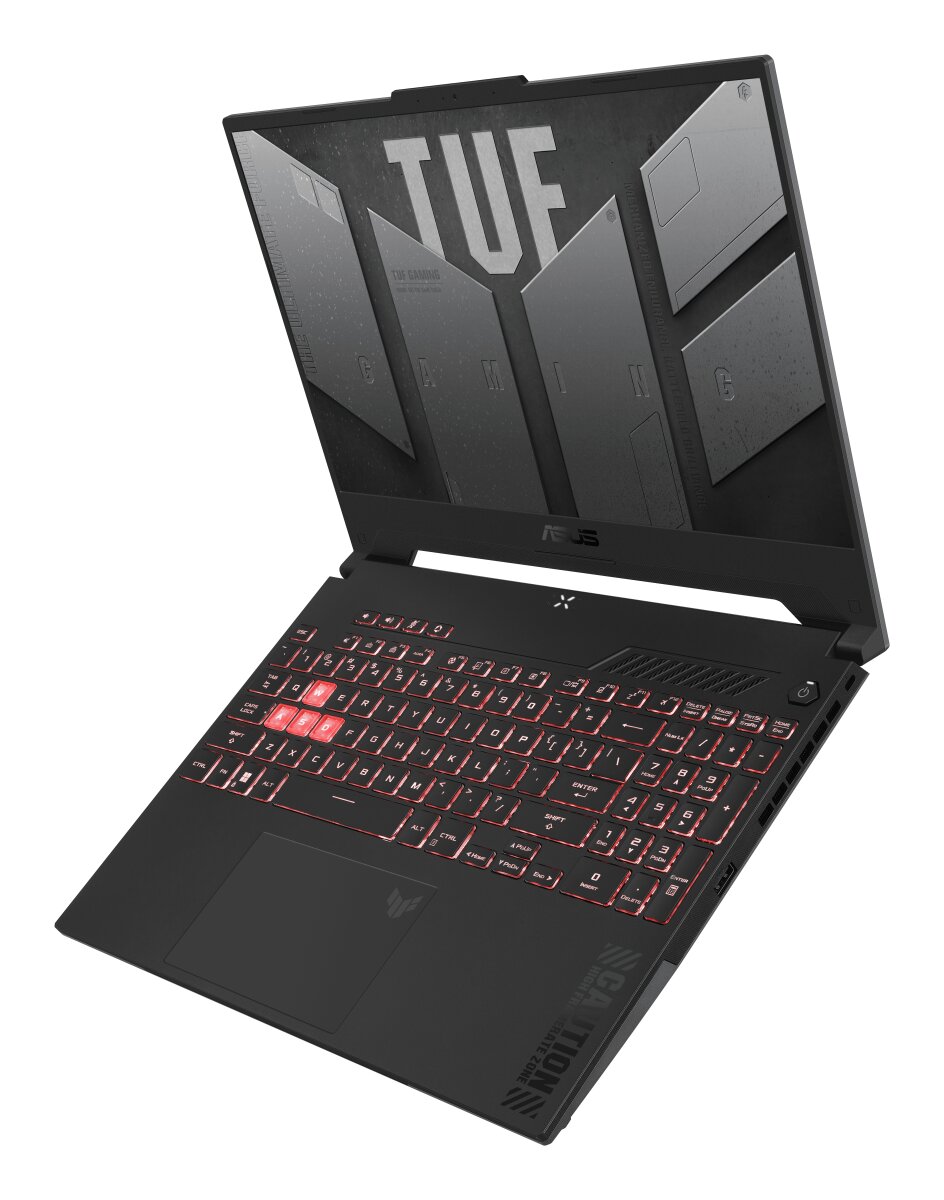
The ASUS TUF Gaming A15 FA507NV-LP002W features two SO-DIMM memory slots supporting DDR5-SDRAM upgrade capacity. Maximum RAM specifications indicate 32 GB total capacity achievable through compatible memory modules. The laptop memory operates at 4800 MHz frequency. Upgrade options allow installation of DDR5-SDRAM modules in either or both SO-DIMM slots to expand system memory. Compatible RAM upgrades must match DDR5-SDRAM specifications and SO-DIMM form factor for proper functionality within the TUF Gaming A15 series specifications.
Memory Upgrade Specifications
| Specification | Value |
|---|---|
| Memory slots | 2x SO-DIMM |
| Form factor | SO-DIMM |
| Memory type | DDR5-SDRAM |
| Frequency | 4800 MHz |
| Maximum RAM | 32 GB |
| Voltage | 1.1V |
| Number of pins | 262-pin |
| Interface | PC5 |
| PC Speed Rating | PC5-4800 (PC5-38400) |
| Bandwidth | 38.4 GB/s |
Additional Notes
- The ASUS TUF Gaming FA507NV-LP002W contains 2 SO-DIMM slots operating at 4800 MHz, which means both slots must be populated to achieve dual-channel memory architecture and unlock full bandwidth potential; single-slot configurations will force single-channel operation and reduce memory throughput by approximately 50 percent.
- DDR5-4800 memory modules are mainstream consumer-tier components with broad availability, but pairing mismatched frequency ratings (such as 4800 MHz with 5600 MHz modules) will default both modules to the lower 4800 MHz specification, negating any performance gain from faster memory.
- The 32 GB maximum capacity constraint means upgrade ceiling is fixed at 16 GB per slot; expansion beyond this point requires complete module replacement rather than additive stacking, which carries disposal responsibility for existing memory.
- SO-DIMM sockets used in this laptop have mechanical and electrical compatibility with DDR5 standards only; DDR4 modules cannot physically insert into DDR5 slots, eliminating cross-generation backward compatibility as an upgrade option.
- Memory upgrades performed on this model typically fall outside manufacturer-covered components under standard warranty terms; users should document pre-upgrade system state and post-upgrade stability testing to establish baseline performance metrics independent of factory configuration.
- Thermal constraints in compact gaming laptop chassis may affect memory performance; DDR5 modules with passive heatsinks generate measurable heat during sustained workloads, and airflow patterns around SO-DIMM slots directly impact sustained frequency stability during thermal throttling conditions.