ASUS TUF Gaming FA507NV-LP019W RAM upgrade specifications


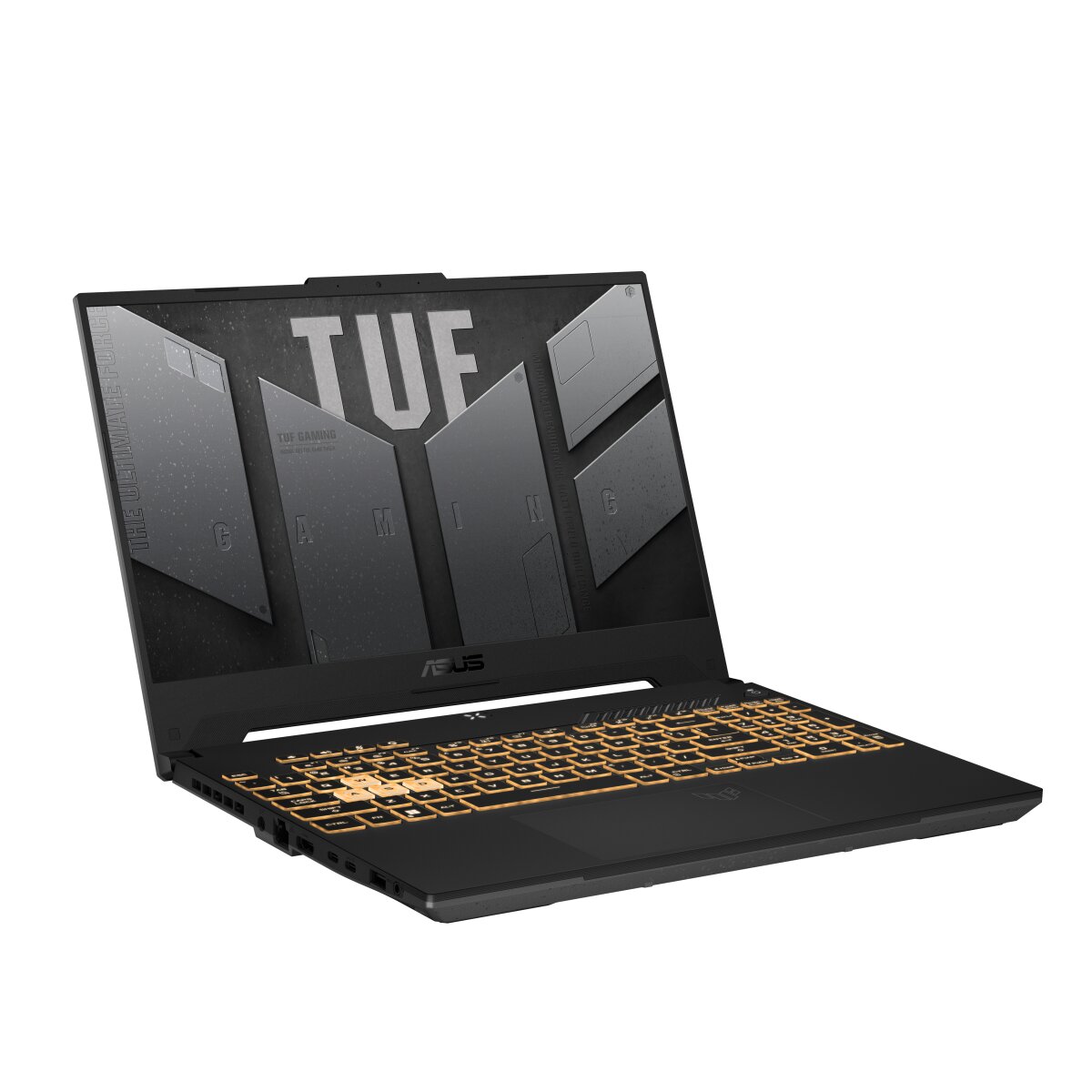

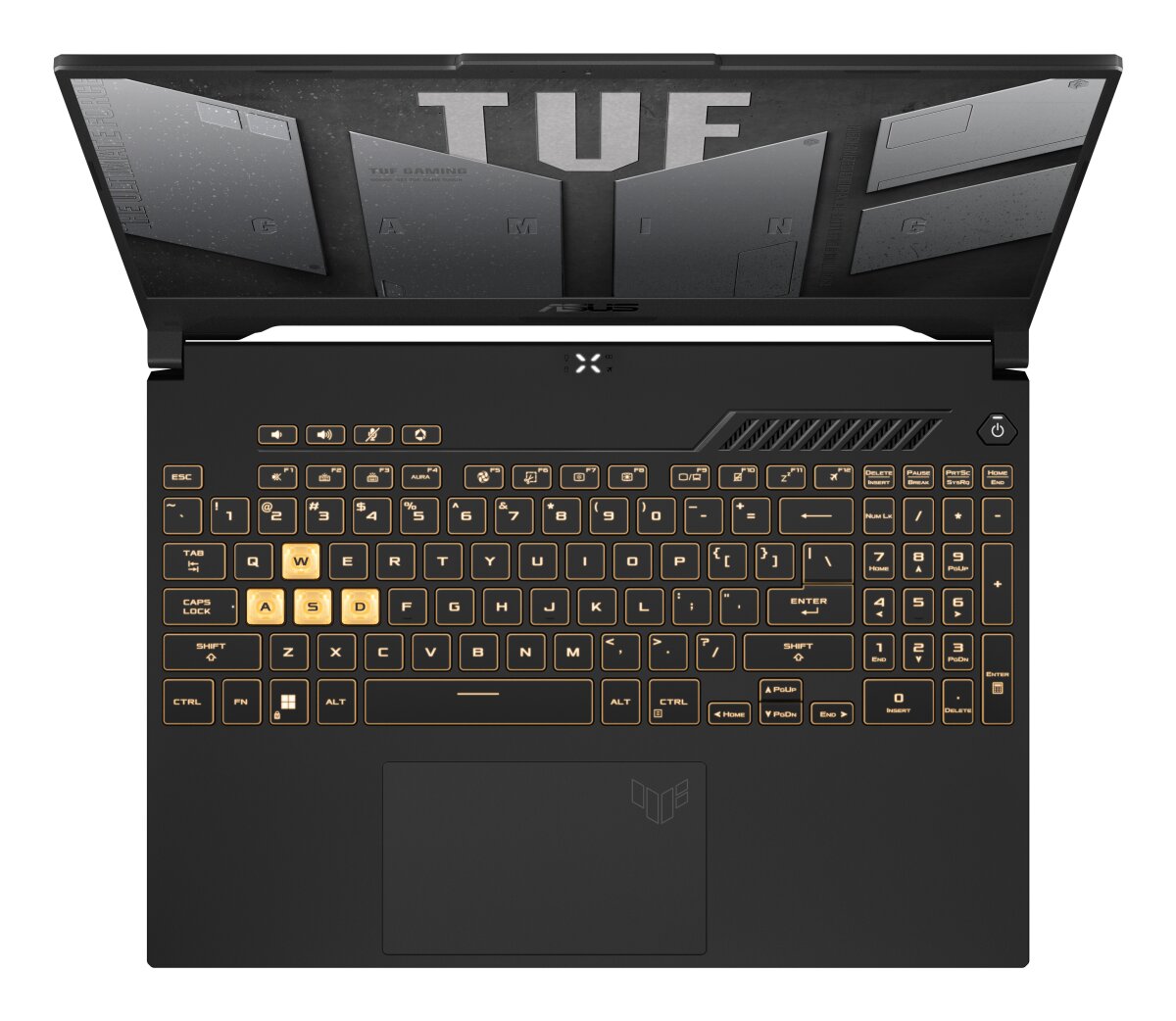
ASUS TUF Gaming A15 FA507NV-LP019W RAM upgrade specifications indicate DDR5-SDRAM memory compatibility with 2x SO-DIMM slots supporting maximum capacity of 32 GB. The laptop features DDR5 memory operating at 4800 MHz frequency. Compatible RAM modules utilize SO-DIMM form factor for this gaming notebook configuration. Upgrade options allow installation of additional memory modules within specified slots to achieve maximum supported capacity.
Memory Upgrade Specifications
| Specification | Value |
|---|---|
| Memory slots | 2x SO-DIMM |
| Form factor | SO-DIMM |
| Memory type | DDR5-SDRAM |
| Frequency | 4800 MHz |
| Maximum RAM | 32 GB |
| Voltage | 1.1V |
| Number of pins | 262-pin |
| Interface | PC5 |
| PC Speed Rating | PC5-4800 (PC5-38400) |
| Bandwidth | 38.4 GB/s |
Additional Notes
- The ASUS TUF Gaming FA507NV-LP019W features a 32 GB ceiling across both slots, requiring either a 16 GB plus 16 GB configuration or asymmetric pairings that total within this limit.
- DDR5-SDRAM operates at higher voltages than DDR4 modules, preventing backward compatibility with systems designed for previous generation memory standards.
- The 4800 MHz frequency represents a JEDEC-standardized speed tier rather than a performance ceiling, as DDR5 memory controllers often support higher XMP or EXPO profiles if the chipset and BIOS permit.
- Dual SO-DIMM architecture enables dual-channel bandwidth operation when matched modules occupy both slots, effectively doubling the theoretical data throughput compared to single-channel configurations.
- The SO-DIMM form factor measures 67.6 mm in length compared to standard DIMM modules, maintaining physical compatibility with compact laptop chassis constraints.
- Mixing memory modules with different densities or timings across the 2 slots may force the memory controller to downclock all modules to the lowest common specifications, potentially reducing effective performance.
- DDR5 architecture incorporates on-die ECC at the DRAM level, distinct from server-grade registered ECC, functioning transparently without user configuration or operating system awareness.
- Accessing the memory slots typically requires bottom panel removal, which may involve breaking tamper-evident seals that some manufacturers interpret as warranty-voiding actions depending on regional regulations.
- The 32 GB maximum suggests motherboard trace routing and memory controller limitations rather than slot physical restrictions, as SO-DIMM sockets themselves can accommodate higher-capacity modules if the platform supports them.
- DDR5-4800 modules consume approximately 1.1 volts during operation, reducing thermal output compared to DDR4 equivalents while maintaining compatibility with the laptop's power delivery subsystem.
- Upgrading from single-rank to dual-rank modules within the supported capacity range may introduce minor latency penalties offset by increased memory bank availability for concurrent operations.