ASUS TUF Gaming FA507NV-LP023W RAM upgrade specifications
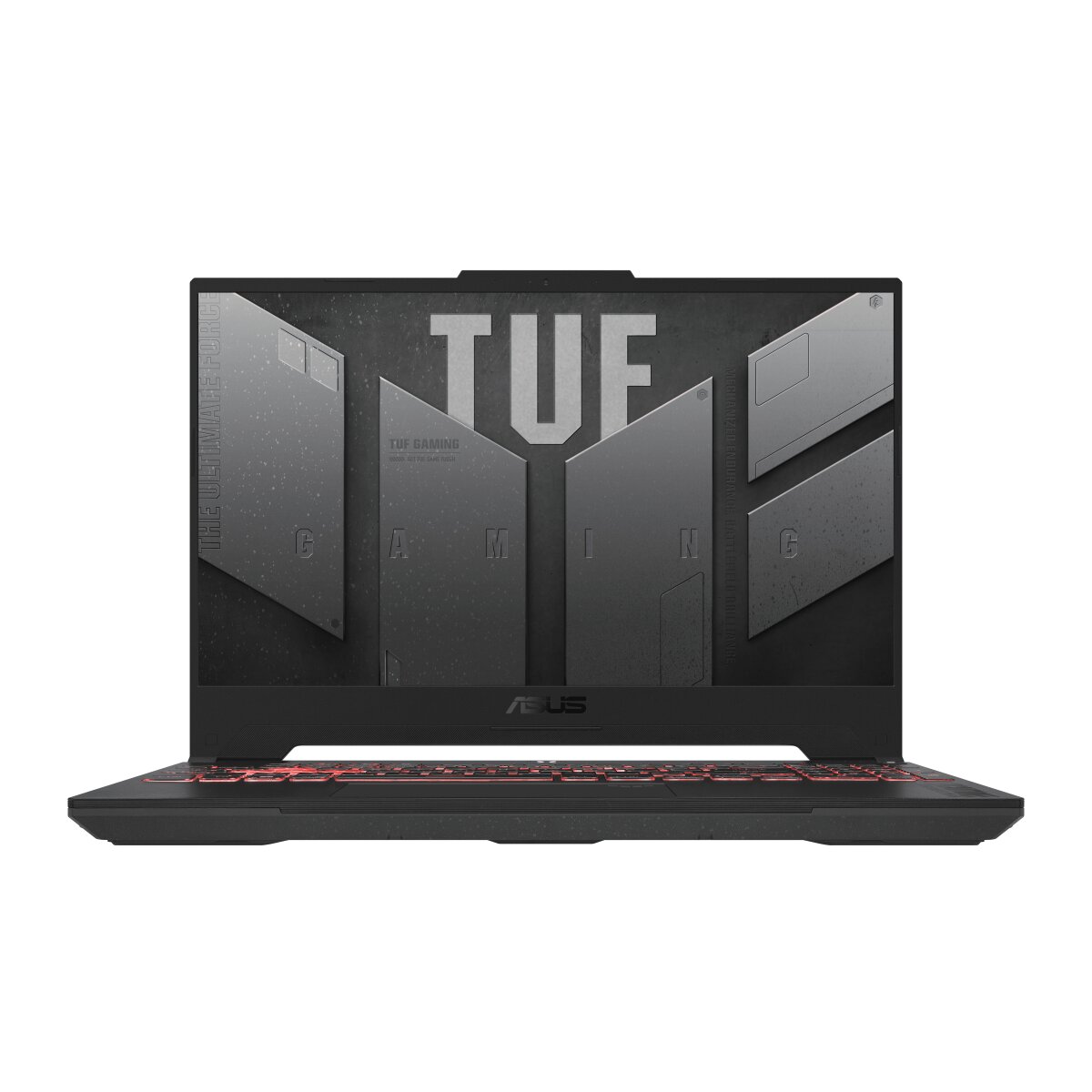

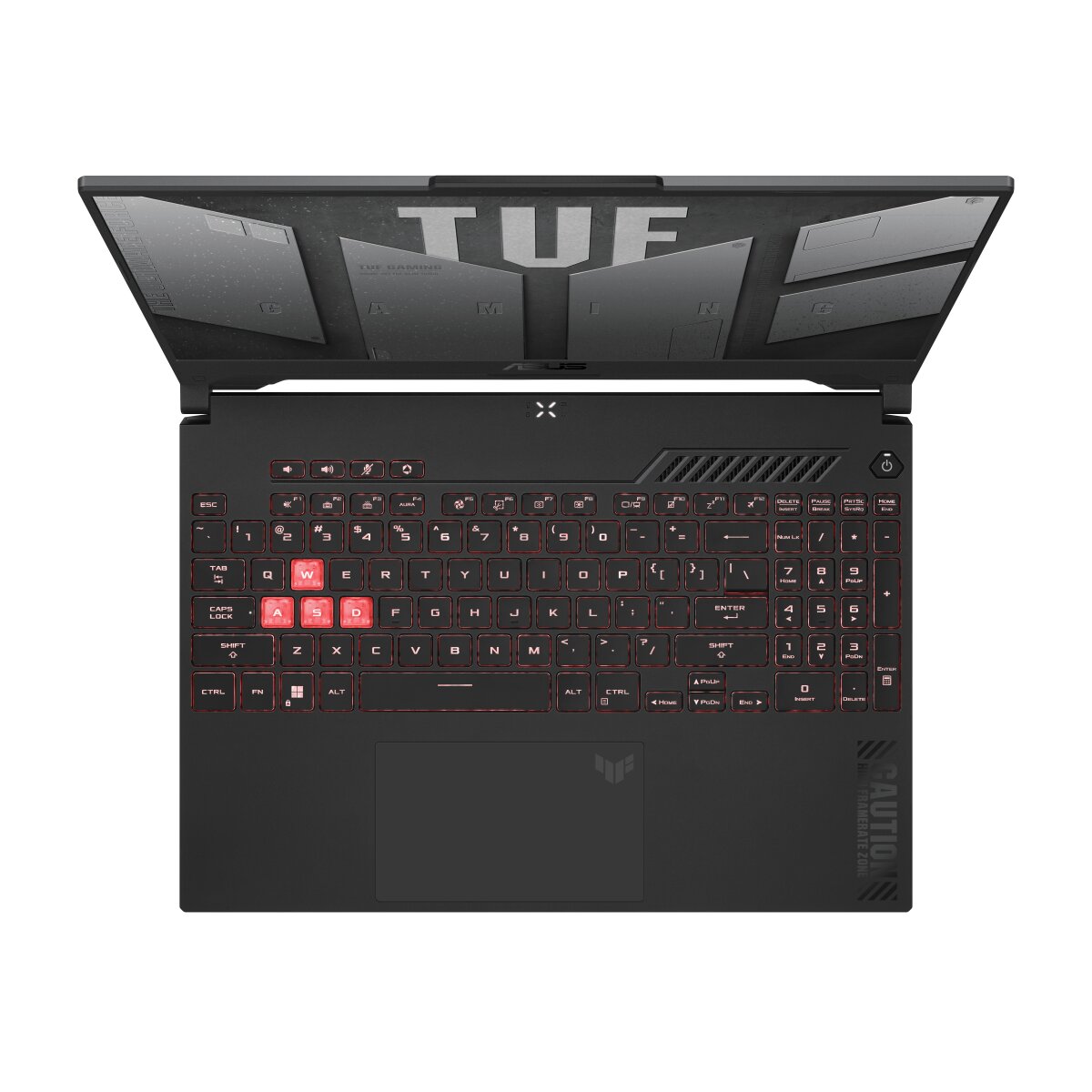
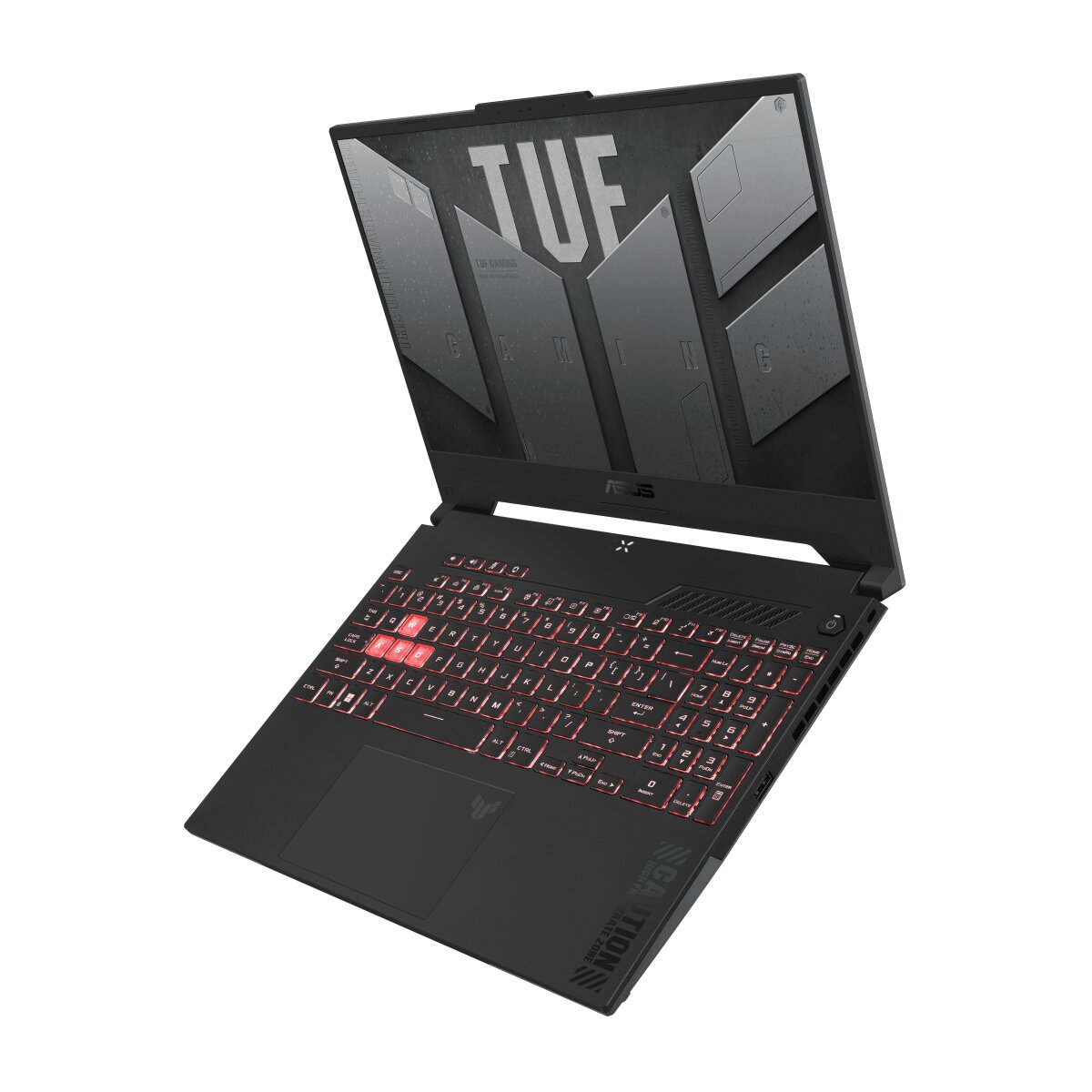

The ASUS TUF Gaming A15 FA507NV-LP023W features two SO-DIMM memory slots supporting DDR5-SDRAM upgrade capacity. The laptop specifications accommodate a maximum RAM configuration of 32 GB total memory. Compatible memory modules operate at 4800 MHz frequency. Upgrade options include single or dual module installations within the two available slots, with specifications supporting DDR5 technology for enhanced performance and compatibility with the gaming-oriented specifications of the FA507NV-LP023W model.
Memory Upgrade Specifications
| Specification | Value |
|---|---|
| Memory slots | 2x SO-DIMM |
| Form factor | SO-DIMM |
| Memory type | DDR5-SDRAM |
| Frequency | 4800 MHz |
| Maximum RAM | 32 GB |
| Voltage | 1.1V |
| Number of pins | 262-pin |
| Interface | PC5 |
| PC Speed Rating | PC5-4800 (PC5-38400) |
| Bandwidth | 38.4 GB/s |
| Laptop Release date | 05 January 2023 |
Additional Notes
- The presence of 2 physical SO-DIMM slots ensures that dual-channel memory architecture is achievable, which significantly increases memory bandwidth compared to single-channel configurations.
- The 32 GB maximum capacity represents the total addressable limit for the motherboard firmware, preventing the installation of 32 GB modules in a single slot.
- Upgrading memory on the ASUS TUF Gaming FA507NV-LP023W requires components that match the 4800 MHz frequency to avoid system instability or downclocking to lower speeds.
- DDR5 architecture incorporates on-die ECC and power management integrated circuits directly on the module, which alters power draw compared to older DDR4 standards.
- Physical access to the memory slots involves removing the base cover, which necessitates the use of non-marring tools to prevent damage to the plastic chassis clips.
- Latency performance depends on the CAS latency rating of the replacement modules, as the system will default to the highest latency value if mismatched sticks are used.
- The motherboard lacks support for XMP or EXPO overclocking profiles, meaning aftermarket RAM will strictly operate at standard JEDEC timings.
- Total system bandwidth is optimized when 2 identical capacity modules are paired, as uneven capacities will result in partial single-channel operation via asynchronous mode.