ASUS TUF Gaming FA507NV-LP025W RAM upgrade specifications
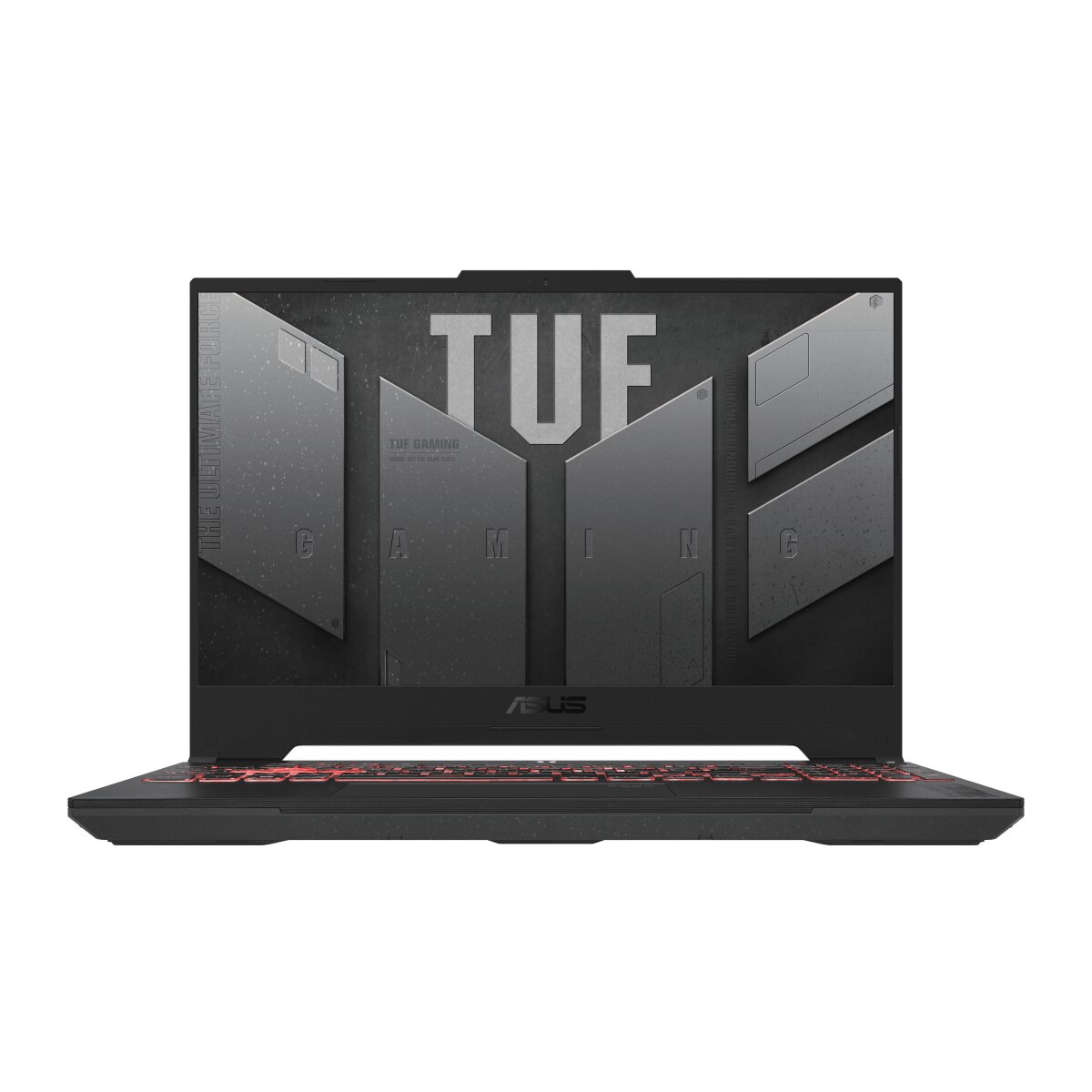
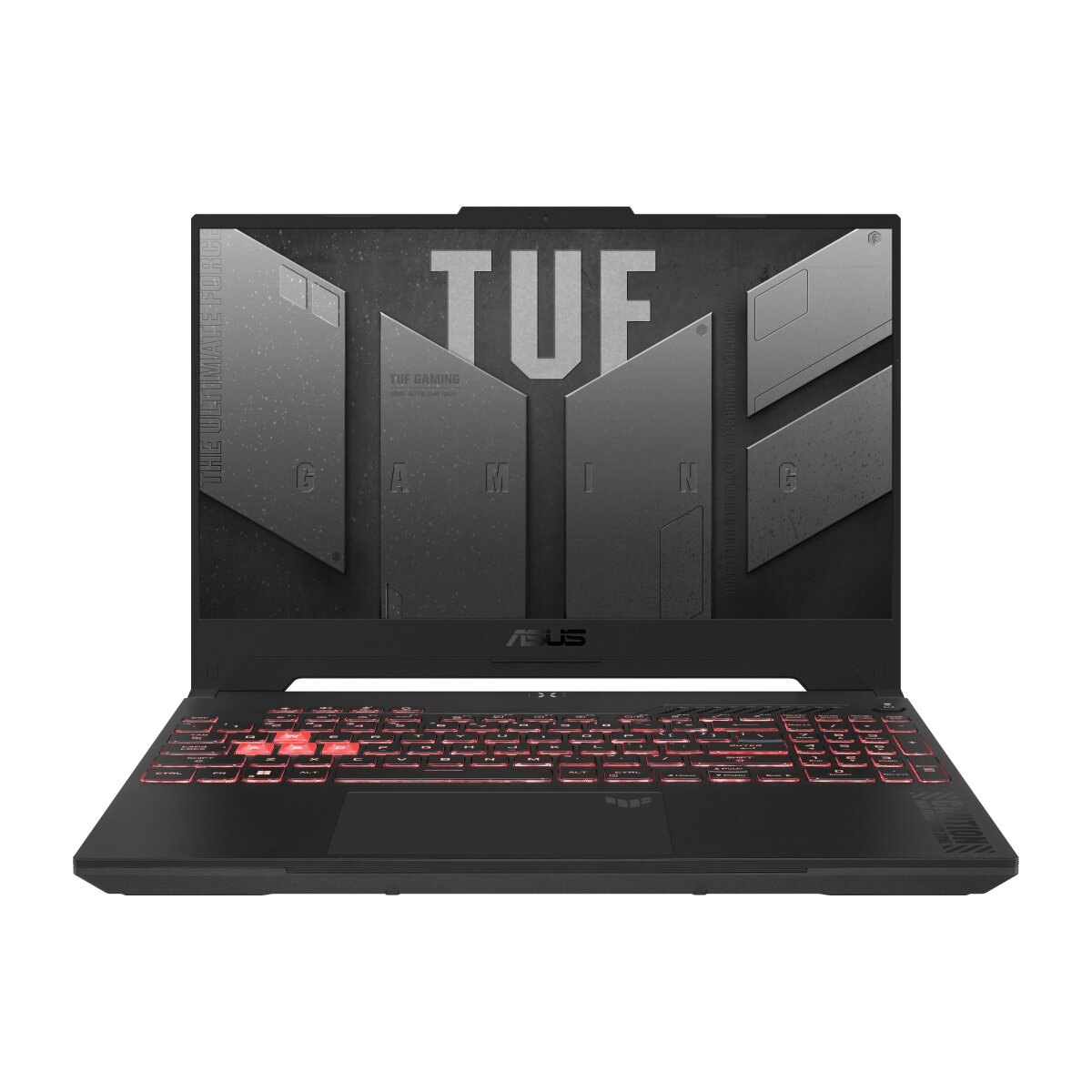
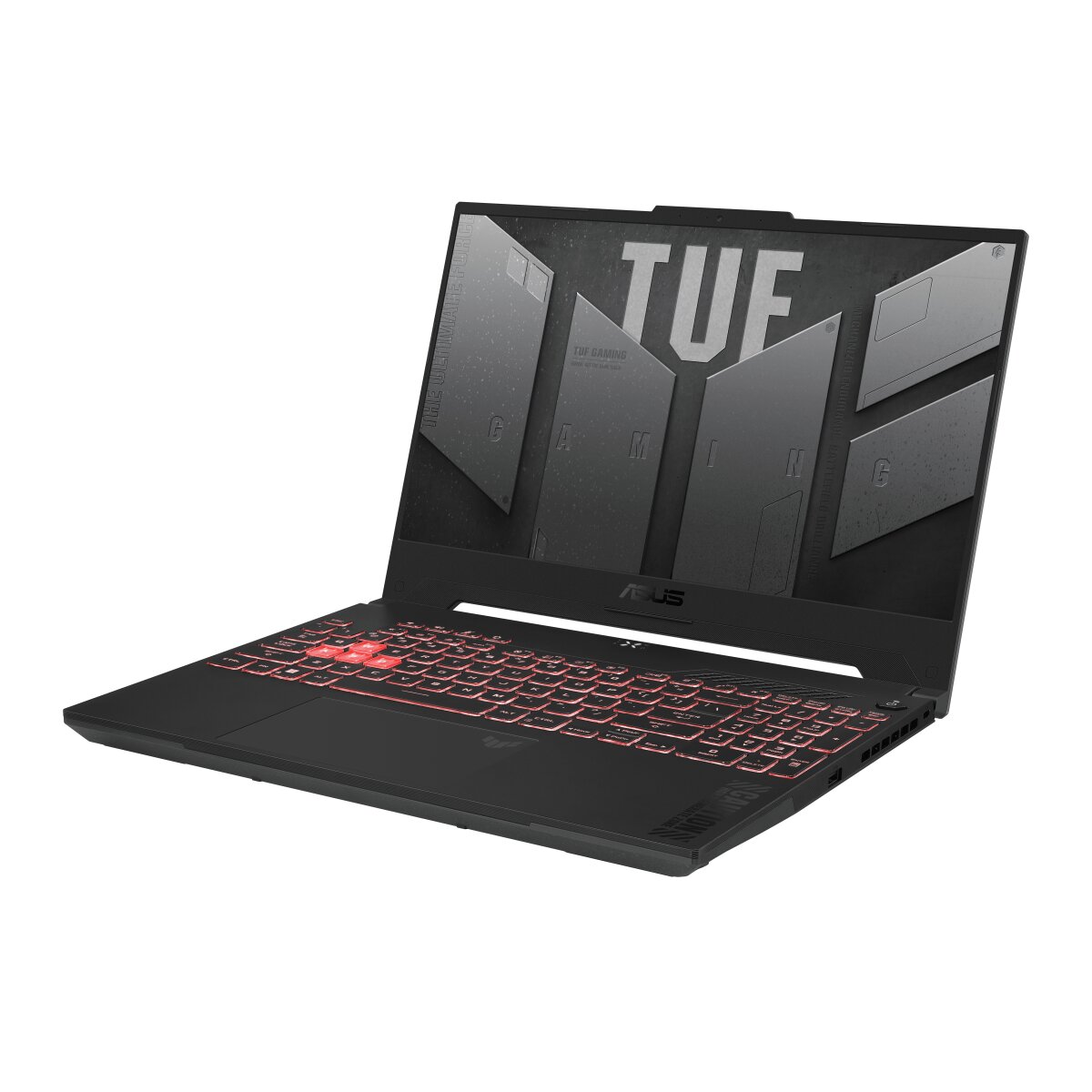
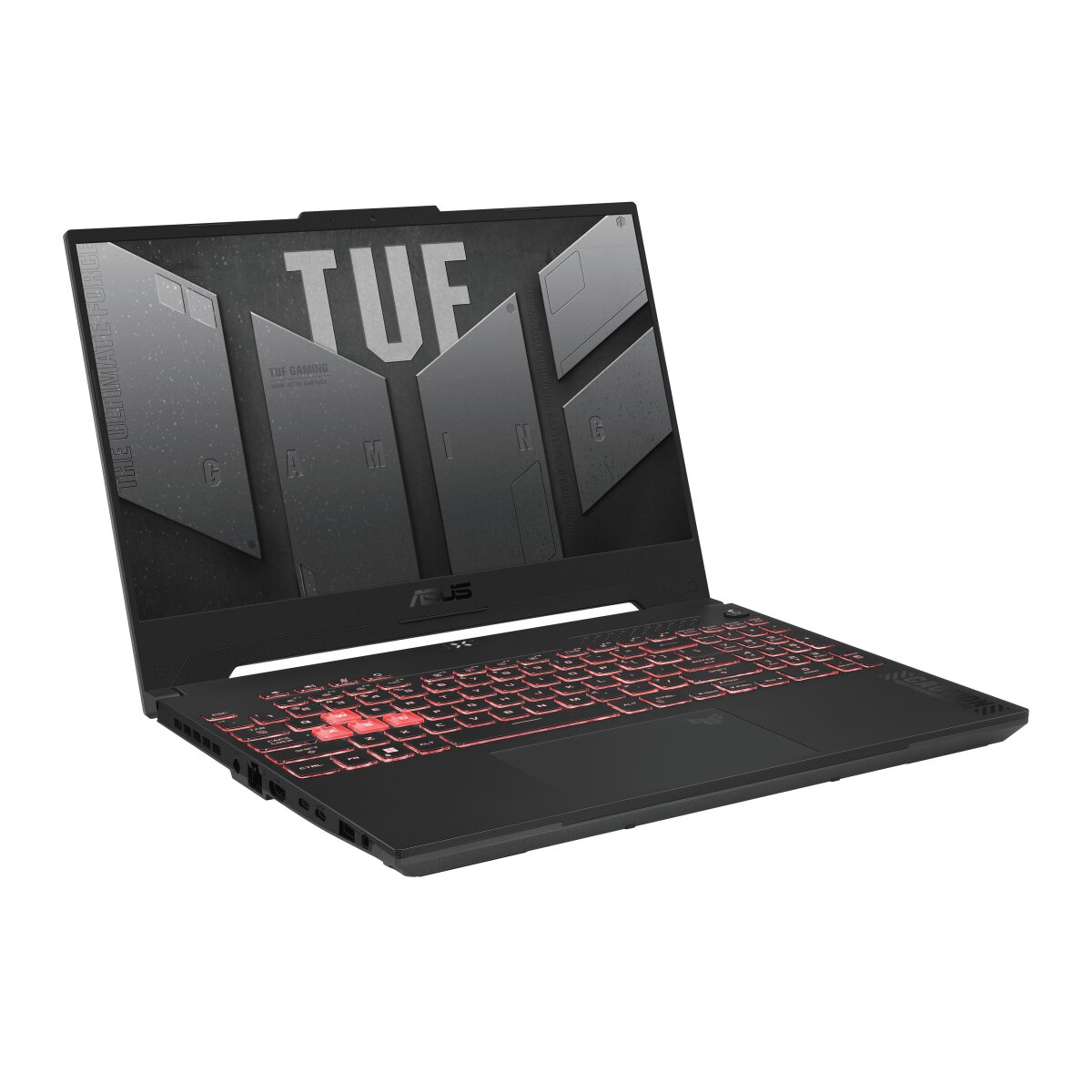
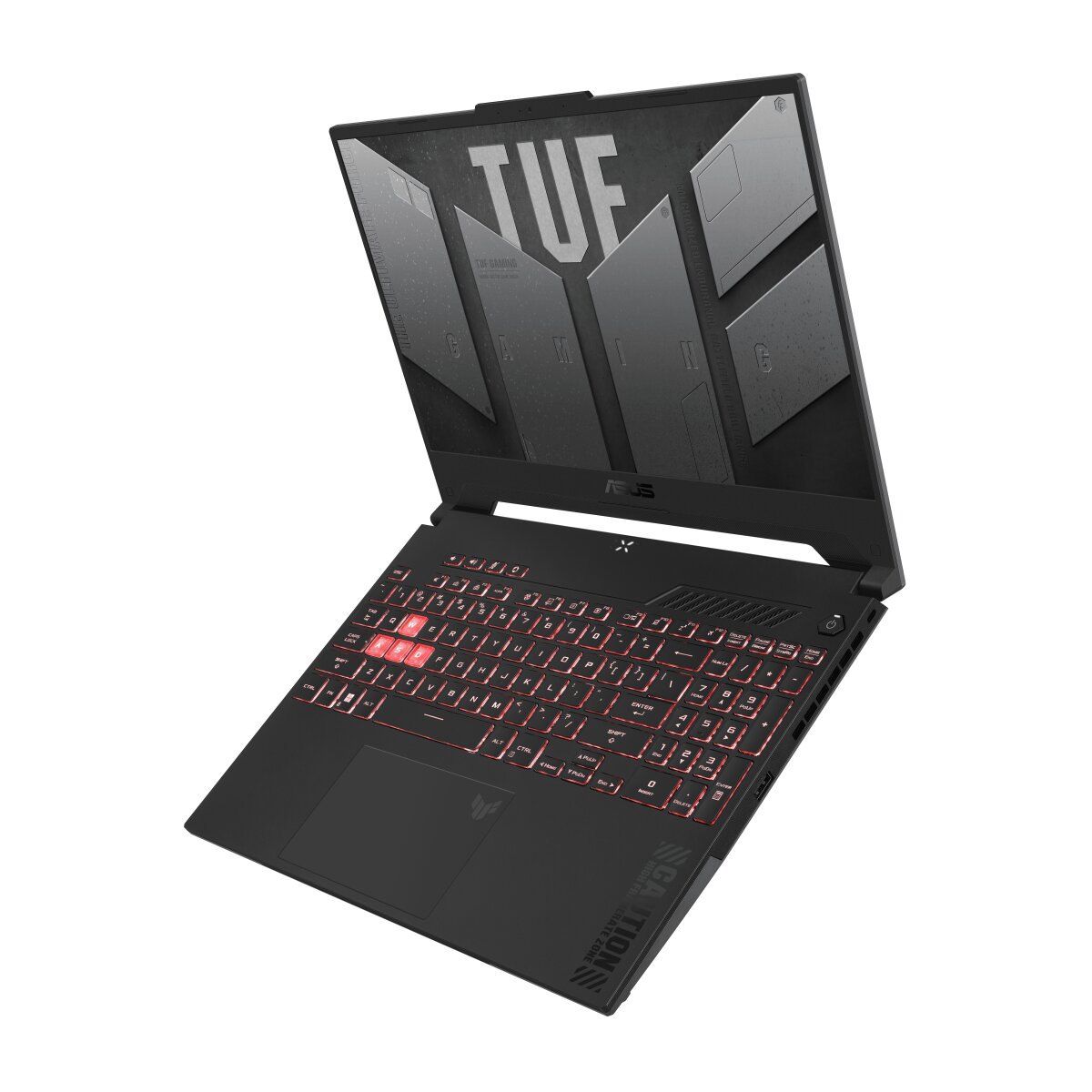
ASUS TUF Gaming A15 FA507NV-LP025W laptop features DDR5-SDRAM memory with 2x SO-DIMM slots supporting maximum upgrade capacity of 32 GB. Compatible RAM specifications include DDR5 modules operating at 4800 MHz frequency. The notebook's memory upgrade slots accommodate SO-DIMM form factor modules, enabling users to expand total system RAM from factory-installed capacity to specified maximum supported capacity for enhanced multitasking performance.
Memory Upgrade Specifications
| Specification | Value |
|---|---|
| Memory slots | 2x SO-DIMM |
| Form factor | SO-DIMM |
| Memory type | DDR5-SDRAM |
| Frequency | 4800 MHz |
| Maximum RAM | 32 GB |
| Voltage | 1.1V |
| Number of pins | 262-pin |
| Interface | PC5 |
| PC Speed Rating | PC5-4800 (PC5-38400) |
| Bandwidth | 38.4 GB/s |
| Laptop Release date | 13 February 2023 |
Additional Notes
- The ASUS TUF Gaming FA507NV-LP025W uses DDR5 SO-DIMM architecture, which requires replacement rather than addition of existing modules during upgrade procedures, as both slots must contain compatible memory to function optimally.
- DDR5-4800 MHz frequency support indicates the system controller operates at this specification; third-party DDR5 modules rated above 4800 MHz will downclock to this native speed, eliminating performance gains from premium-tier memory.
- The 32 GB maximum capacity ceiling means a dual-module configuration requires 16 GB per slot; single-module configurations leave one SO-DIMM slot unfilled, creating asymmetrical bandwidth delivery across the memory subsystem.
- SO-DIMM form factor locks upgrade options to laptop-specific modules only; desktop DDR5 UDIMM components cannot be physically installed, restricting sourcing to higher-cost mobile memory inventory.
- DDR5 SO-DIMM slots typically require full module removal to access; upgrading from factory configuration involves complete memory replacement rather than additive installation, necessitating proper electrostatic handling protocols.
- The 2-slot architecture provides no redundancy; a single module failure renders one memory path inoperative, reducing total accessible capacity to whatever single module remains functional.
- JEDEC DDR5-4800 specification compliance suggests stable operation at this frequency without manufacturer-specific firmware tweaks, making this tier a practical upgrade baseline for warranty-safe paths.