ASUS TUF Gaming FA507NV-LP037-GAMING RAM upgrade specifications




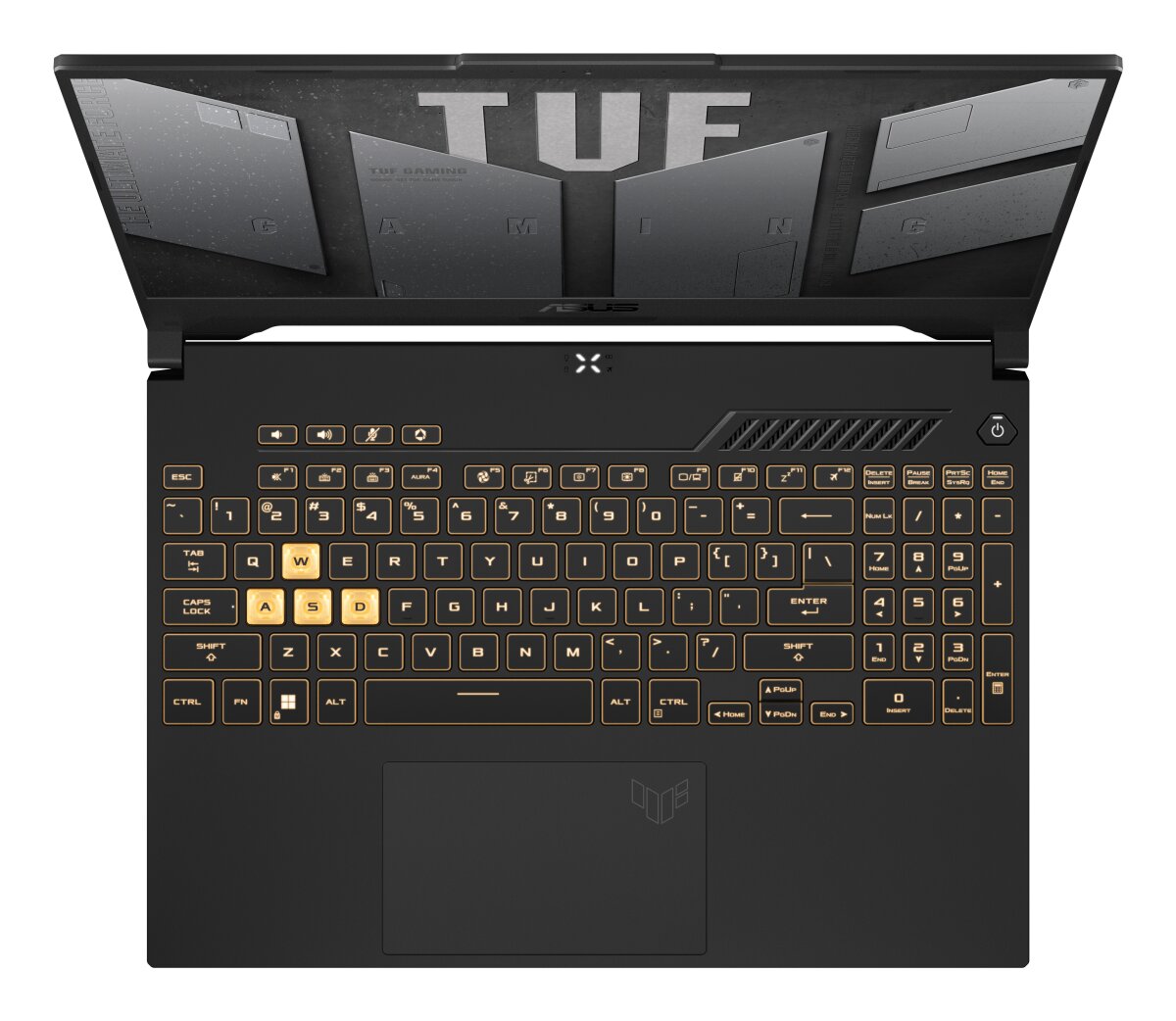
ASUS TUF Gaming A15 FA507NV-LP037-GAMING supports DDR5-SDRAM memory upgrades through two SO-DIMM slots. Maximum RAM capacity reaches 32 GB total. Memory operates at 4800 MHz frequency. Compatible upgrades utilize SO-DIMM form factor specifications. The laptop's memory configuration allows for modular expansion and replacement of existing modules to enhance system performance specifications.
Memory Upgrade Specifications
| Specification | Value |
|---|---|
| Memory slots | 2x SO-DIMM |
| Form factor | SO-DIMM |
| Memory type | DDR5-SDRAM |
| Frequency | 4800 MHz |
| Maximum RAM | 32 GB |
| Voltage | 1.1V |
| Number of pins | 262-pin |
| Interface | PC5 |
| PC Speed Rating | PC5-4800 (PC5-38400) |
| Bandwidth | 38.4 GB/s |
Additional Notes
- The 32 GB maximum capacity indicates a per-slot limitation of 16 GB, preventing installation of higher-density modules that may become available in future DDR5 generations.
- DDR5-4800 represents the JEDEC baseline specification, meaning the memory controller does not support higher-speed XMP or EXPO profiles that aftermarket modules might advertise.
- Dual SO-DIMM configuration enables native dual-channel operation only when matched pairs are installed, as mismatched capacities or speeds will force single-channel mode or default to the slower module's specifications.
- The ASUS TUF Gaming FA507NV-LP037-GAMING lacks soldered memory, preserving both RAM slots for user-accessible upgrades without requiring factory modification.
- SO-DIMM physical format restricts thermal headroom compared to desktop UDIMMs, making passive cooling dependent on chassis airflow rather than module-mounted heatspreaders.
- Memory replacement maintains warranty coverage under most consumer protection regulations, though thermal paste disturbance during disassembly may void coverage for unrelated cooling system failures.
- DDR5's on-die ECC operates transparently at 4800 MHz but does not provide user-reportable error correction like server-grade modules, limiting diagnostic visibility during stability testing.
- The 4800 MHz frequency operates at 1.1V standard voltage, eliminating compatibility risks from higher-voltage overclocking profiles that some gaming-marketed kits require.
- Mixing DDR5 generations from different production years may cause training failures during POST due to evolving power management IC revisions, even when speed ratings match.