ASUS TUF Gaming FA507NV-LP052W RAM upgrade specifications


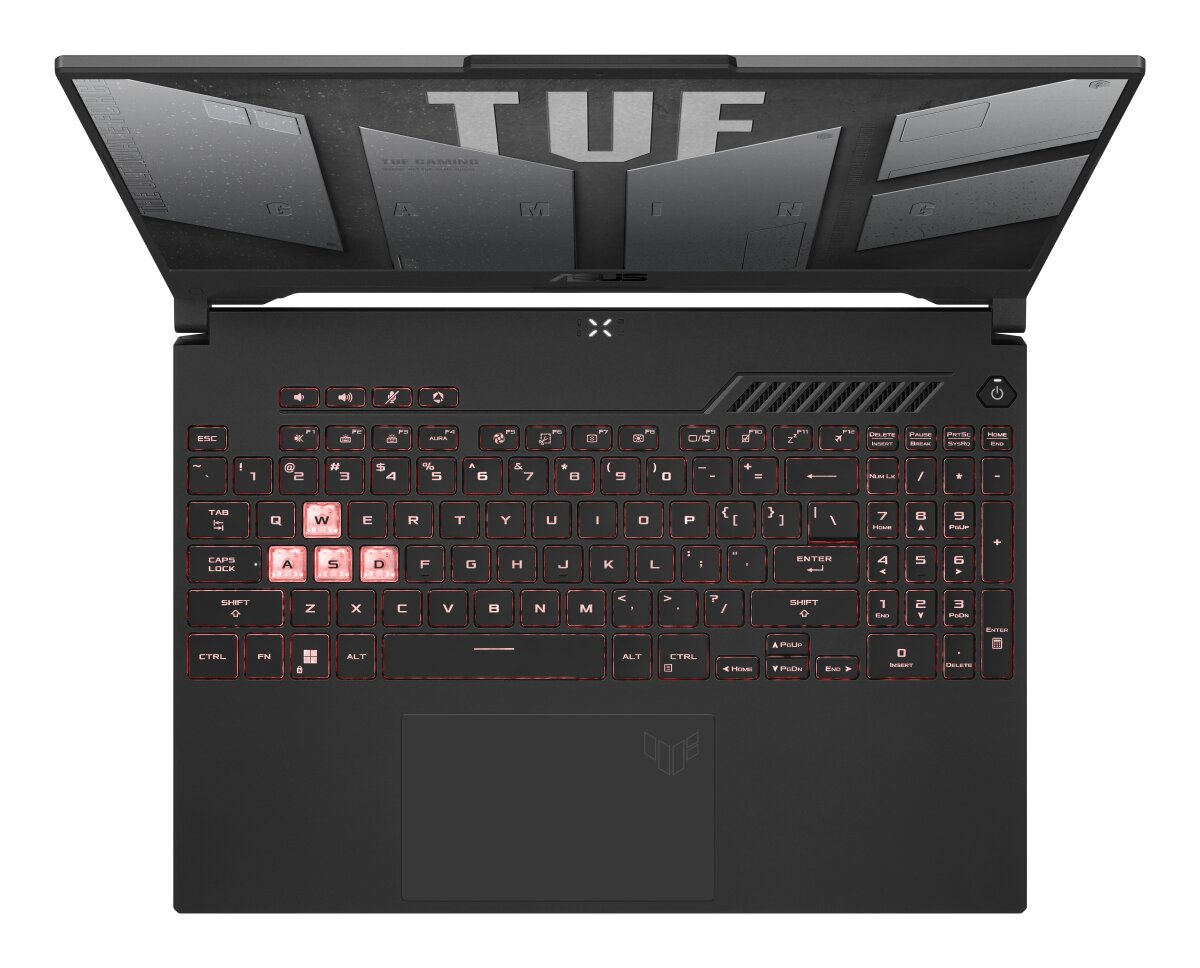


ASUS TUF Gaming A15 FA507NV-LP052W laptop features two SO-DIMM slots for DDR5-SDRAM memory upgrade capabilities. The system supports maximum RAM capacity of 32 GB, with compatible memory modules operating at 4800 MHz frequency. The upgrade specifications indicate DDR5 SO-DIMM form factor compatibility, allowing users to expand memory configurations from the factory baseline. Maximum memory installation reaches 32 GB total across both available slots. This gaming laptop's memory upgrade pathway utilizes standard SO-DIMM DDR5 specifications for enhanced multitasking and performance optimization.
Memory Upgrade Specifications
| Specification | Value |
|---|---|
| Memory slots | 2x SO-DIMM |
| Form factor | SO-DIMM |
| Memory type | DDR5-SDRAM |
| Frequency | 4800 MHz |
| Maximum RAM | 32 GB |
| Voltage | 1.1V |
| Number of pins | 262-pin |
| Interface | PC5 |
| PC Speed Rating | PC5-4800 (PC5-38400) |
| Bandwidth | 38.4 GB/s |
Additional Notes
- The presence of 2 dedicated SO-DIMM slots confirms that the ASUS TUF Gaming FA507NV-LP052W does not utilize soldered memory, allowing for the complete replacement of existing modules rather than being restricted to a single expansion bay.
- The 32 GB BIOS limitation indicates that high-density 32 GB or 48 GB single sticks will likely fail to initialize or will be capped at a lower addressable capacity.
- Operating at a 4800 MHz frequency on the DDR5 platform ensures significantly higher peak memory bandwidth compared to previous DDR4 generations, which directly reduces CPU wait times during complex physics calculations and frame rendering.
- Optimal system performance requires installing modules in pairs to enable dual-channel mode, as single-stick configurations will effectively halve the potential data transfer rate between the processor and the RAM.
- Upgrading beyond the factory configuration requires matching the voltage specifications of the DDR5 standard to prevent stability issues or motherboard power delivery failures.
- Internal layout constraints typical of this chassis series mean that modules with integrated heat spreaders may interfere with the bottom casing or heat pipe clearance.
- The transition to DDR5 architecture introduces on-die ECC functionality, which improves system stability by correcting single-bit errors within the memory chips themselves before data reaches the processor.