ASUS TUF Gaming FA507RM-R76A36CB1 RAM upgrade specifications
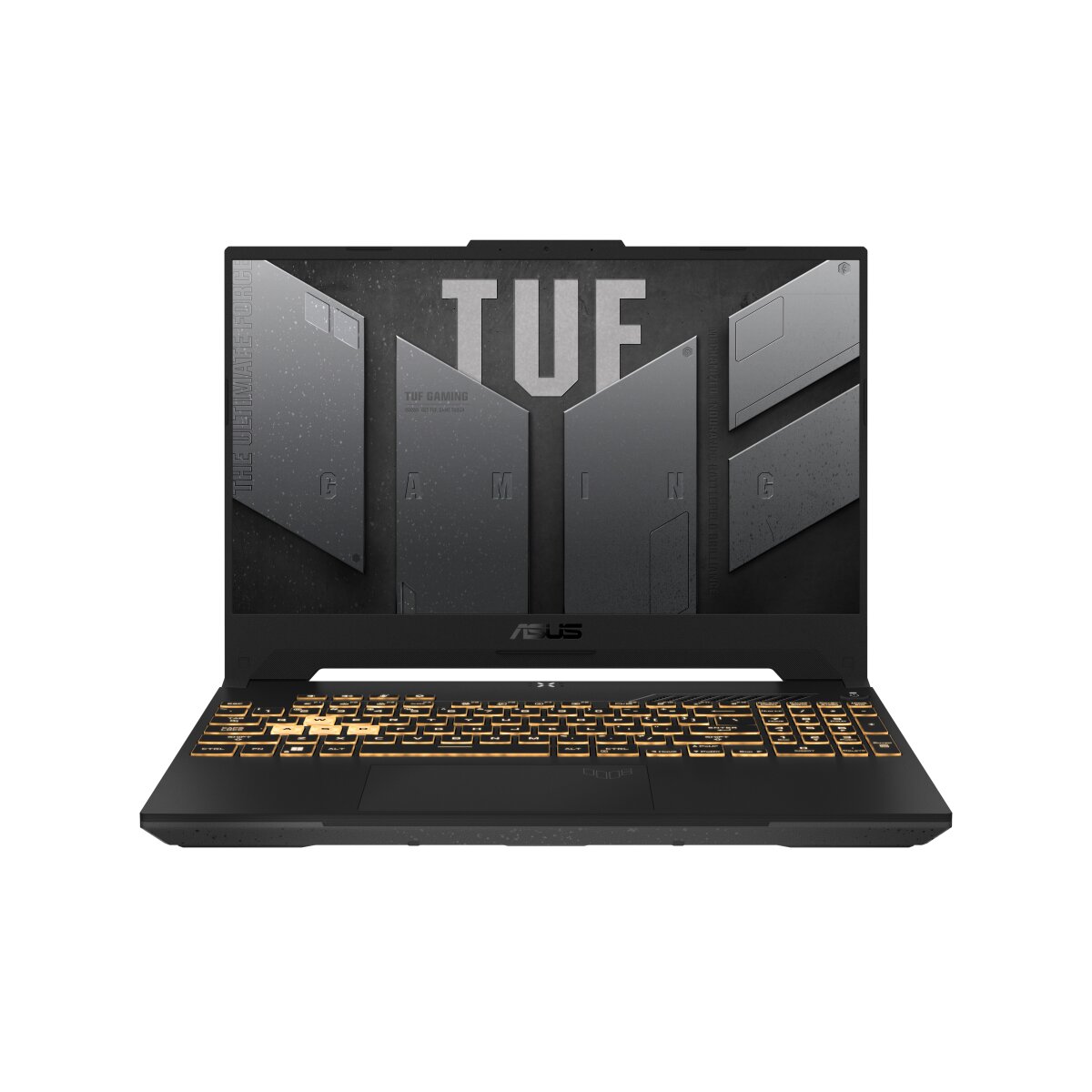
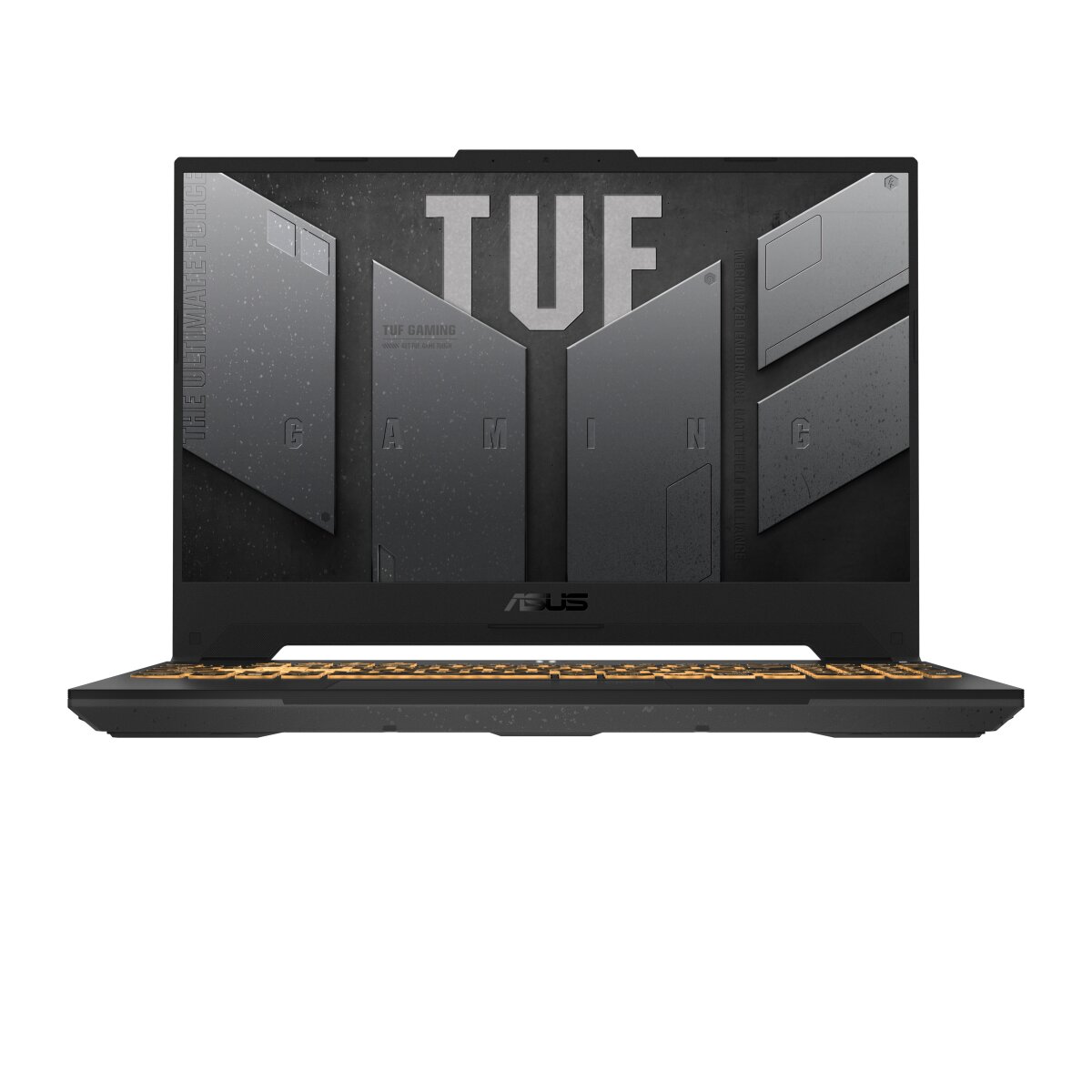
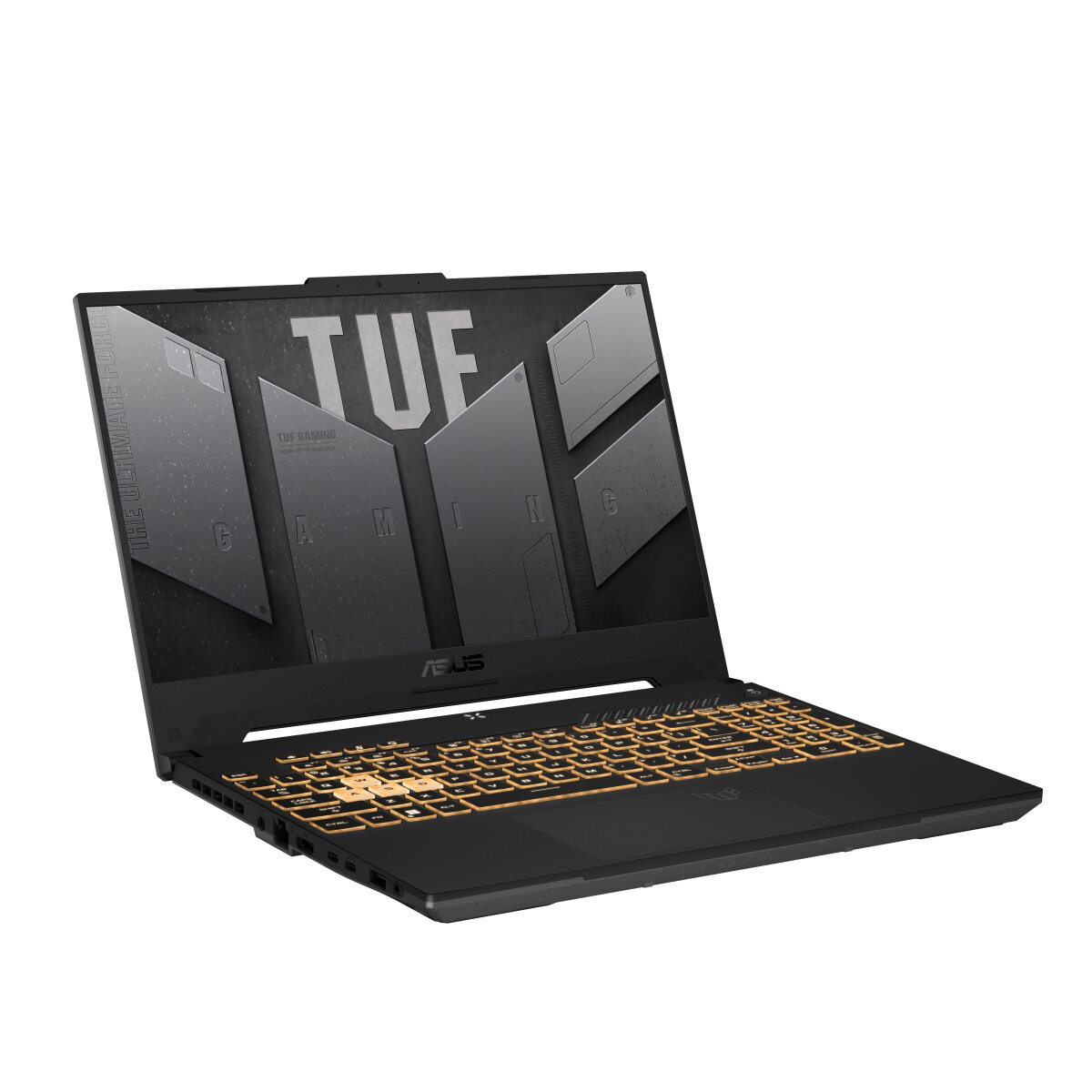
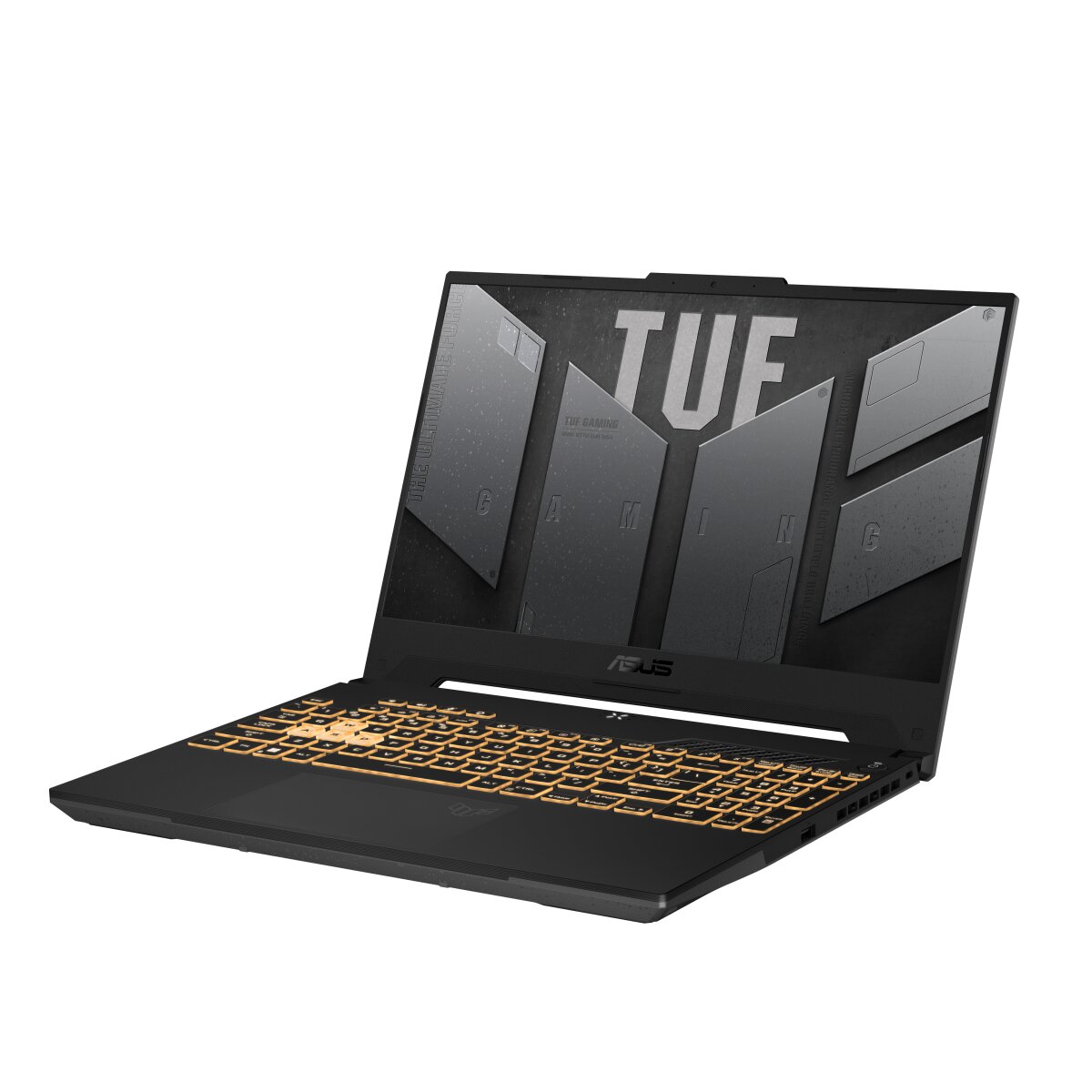
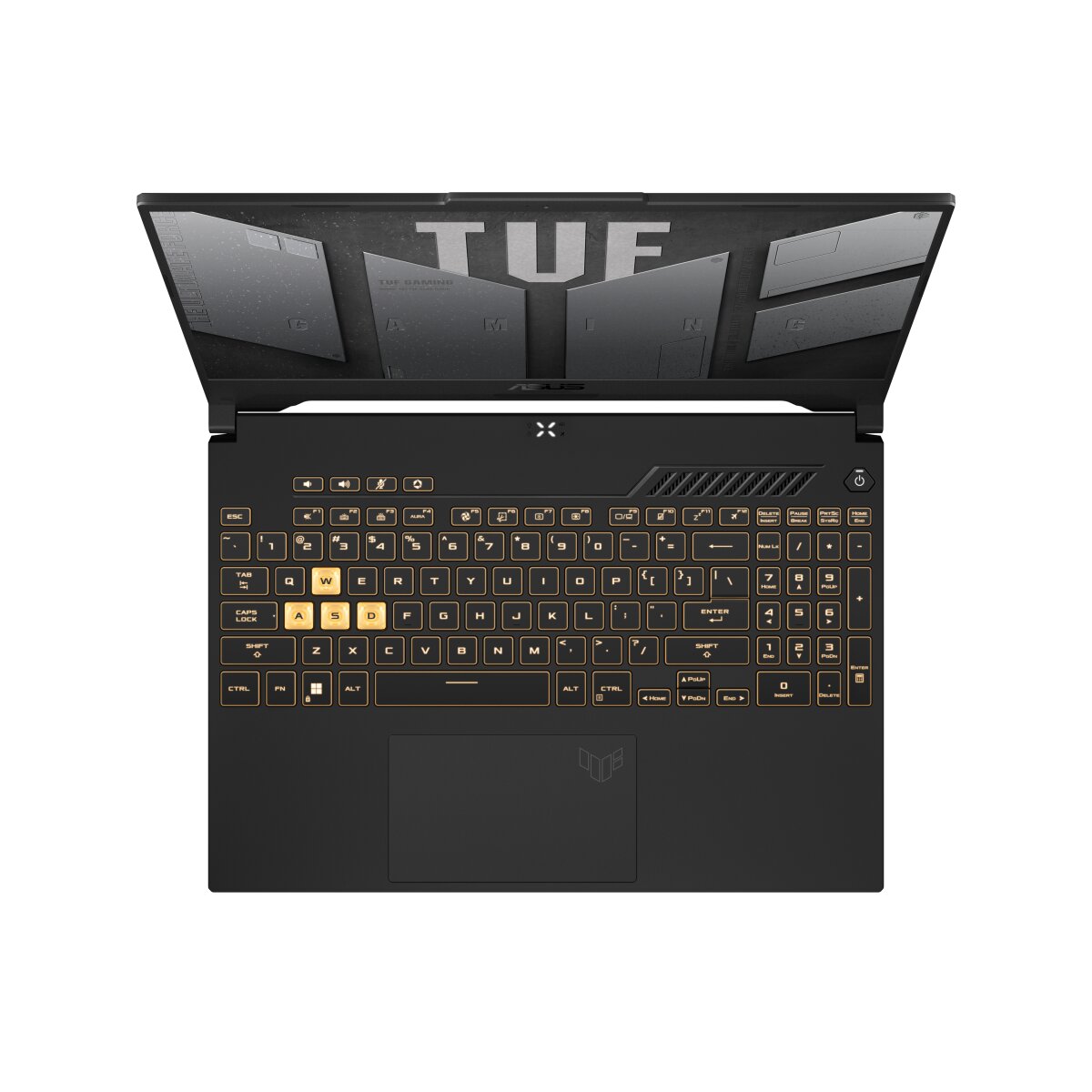
ASUS TUF Gaming A15 FA507RM-R76A36CB1 laptop features DDR5-SDRAM memory upgrade capabilities. The system includes 2x SO-DIMM memory slots supporting maximum RAM capacity of 32 GB. Compatible memory modules operate at 4800 MHz frequency. Specifications indicate SO-DIMM form factor for upgrade installations. Users requiring memory expansion can install compatible DDR5-SDRAM modules up to the maximum capacity limit across available slots.
Memory Upgrade Specifications
| Specification | Value |
|---|---|
| Memory slots | 2x SO-DIMM |
| Form factor | SO-DIMM |
| Memory type | DDR5-SDRAM |
| Frequency | 4800 MHz |
| Maximum RAM | 32 GB |
| Voltage | 1.1V |
| Number of pins | 262-pin |
| Interface | PC5 |
| PC Speed Rating | PC5-4800 (PC5-38400) |
| Bandwidth | 38.4 GB/s |
| Laptop Release date | 18 May 2022 |
Additional Notes
- The ASUS TUF Gaming FA507RM-R76A36CB1 accepts only DDR5 modules, making DDR4 or older generation memory physically and electrically incompatible with the slot architecture.
- The 32 GB ceiling reflects motherboard chipset limitations rather than slot count, restricting configurations to either 2x16 GB or single-module arrangements below that threshold.
- SO-DIMM form factor compliance is mandatory, as standard desktop DIMM modules will not physically fit the smaller laptop slot dimensions.
- Native 4800 MHz operation occurs when paired modules match this specification, while mixed-speed configurations will downclock all modules to the lowest common frequency.
- Dual-channel bandwidth activation requires matched capacity modules in both slots, with asymmetric configurations forcing single-channel operation and halving memory throughput.
- Non-soldered SO-DIMM slots preserve user-upgrade capability without voiding manufacturer warranties, unlike systems with soldered memory arrays.
- Voltage specifications for DDR5 operate at 1.1V standard, incompatible with DDR4's 1.2V requirement, preventing cross-generation experimentation.
- Mixing modules from different manufacturers may introduce timing mismatches despite identical speed ratings, potentially causing training failures during POST.
- The 4800 MHz base speed represents JEDEC standard rather than overclocked XMP profiles, ensuring broad compatibility without BIOS adjustments.
- Thermal constraints in the laptop chassis may throttle performance before reaching theoretical bandwidth limits of 76.8 GB/s in dual-channel mode.