ASUS TUF Gaming FA507UI-LP015W RAM upgrade specifications

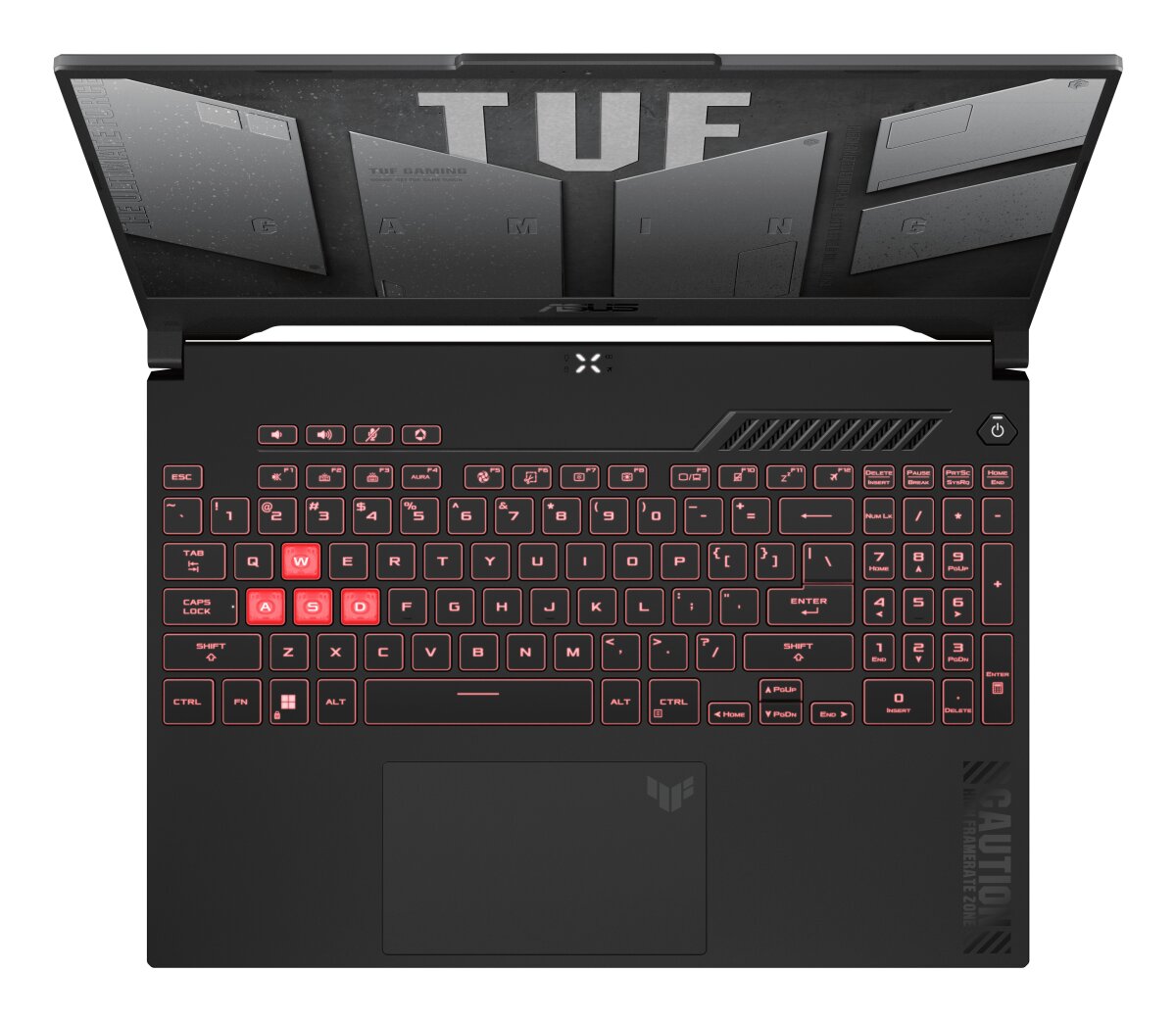



The ASUS TUF Gaming A15 FA507UI-LP015W features two SO-DIMM slots supporting DDR5-SDRAM memory modules. The laptop is compatible with memory upgrades up to a maximum capacity of 32 GB total. Each slot accommodates SO-DIMM form factor modules operating at 5600 MHz frequency. Current specifications allow for RAM upgrade configurations to enhance system performance and multitasking capabilities. The DDR5 memory specification provides improved bandwidth and efficiency compared to previous generation memory standards.
Memory Upgrade Specifications
| Specification | Value |
|---|---|
| Memory slots | 2x SO-DIMM |
| Form factor | SO-DIMM |
| Memory type | DDR5-SDRAM |
| Frequency | 5600 MHz |
| Maximum RAM | 32 GB |
| Voltage | 1.1V |
| Number of pins | 262-pin |
| Interface | PC5 |
| PC Speed Rating | PC5-5600 (PC5-44800) |
| Bandwidth | 44.8 GB/s |
| Laptop Release date | 09 January 2024 |
Additional Notes
- The presence of 2 physical SO-DIMM slots confirms that the system memory is not soldered to the motherboard, allowing for the replacement of both factory modules to maintain dual-channel bandwidth benefits.
- Utilizing DDR5-SDRAM at 5600 MHz ensures the AMD Ryzen processor in the ASUS TUF Gaming FA507UI-LP015W operates without significant memory controller bottlenecks during high-bandwidth tasks like video rendering or AAA gaming.
- Reaching the 32 GB maximum capacity requires the installation of 2 identical 16 GB modules to ensure stability and prevent timing mismatches that could force the system to downclock to slower JEDEC profiles.
- Standard laptop memory kits using the SO-DIMM form factor are required for physical clearance within the chassis, as high-profile heat spreaders found on desktop modules will prevent the bottom panel from closing correctly.
- The hardware architecture limits future expansion beyond the stated maximum, meaning users requiring 64 GB for specialized virtualization or heavy workstation loads will encounter firmware or chipset instability.
- Upgrading memory typically permits retention of the manufacturer warranty provided no internal components are damaged during the process and the original modules are kept for diagnostic purposes.