ASUS TUF Gaming FA507XI-LP024 RAM upgrade specifications
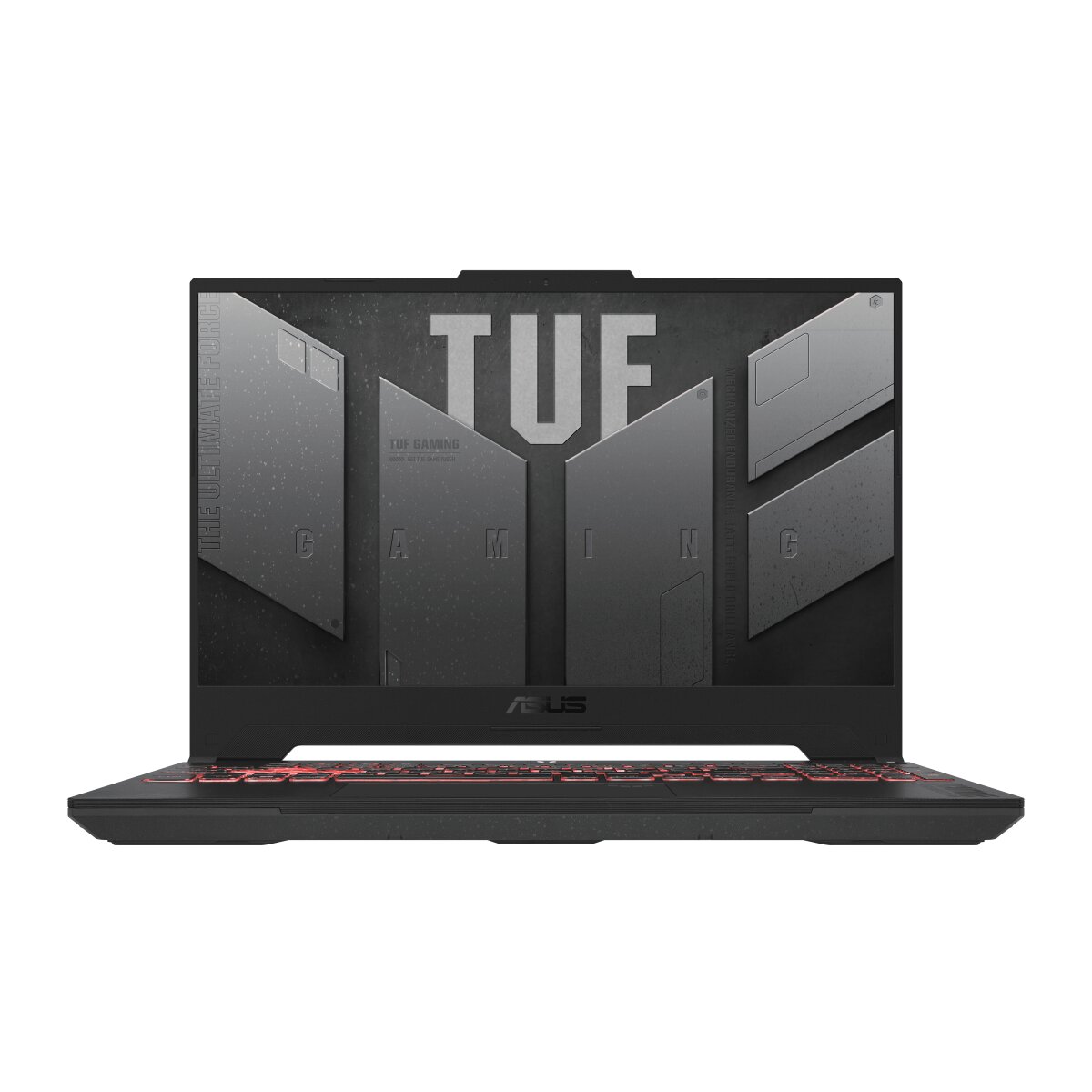

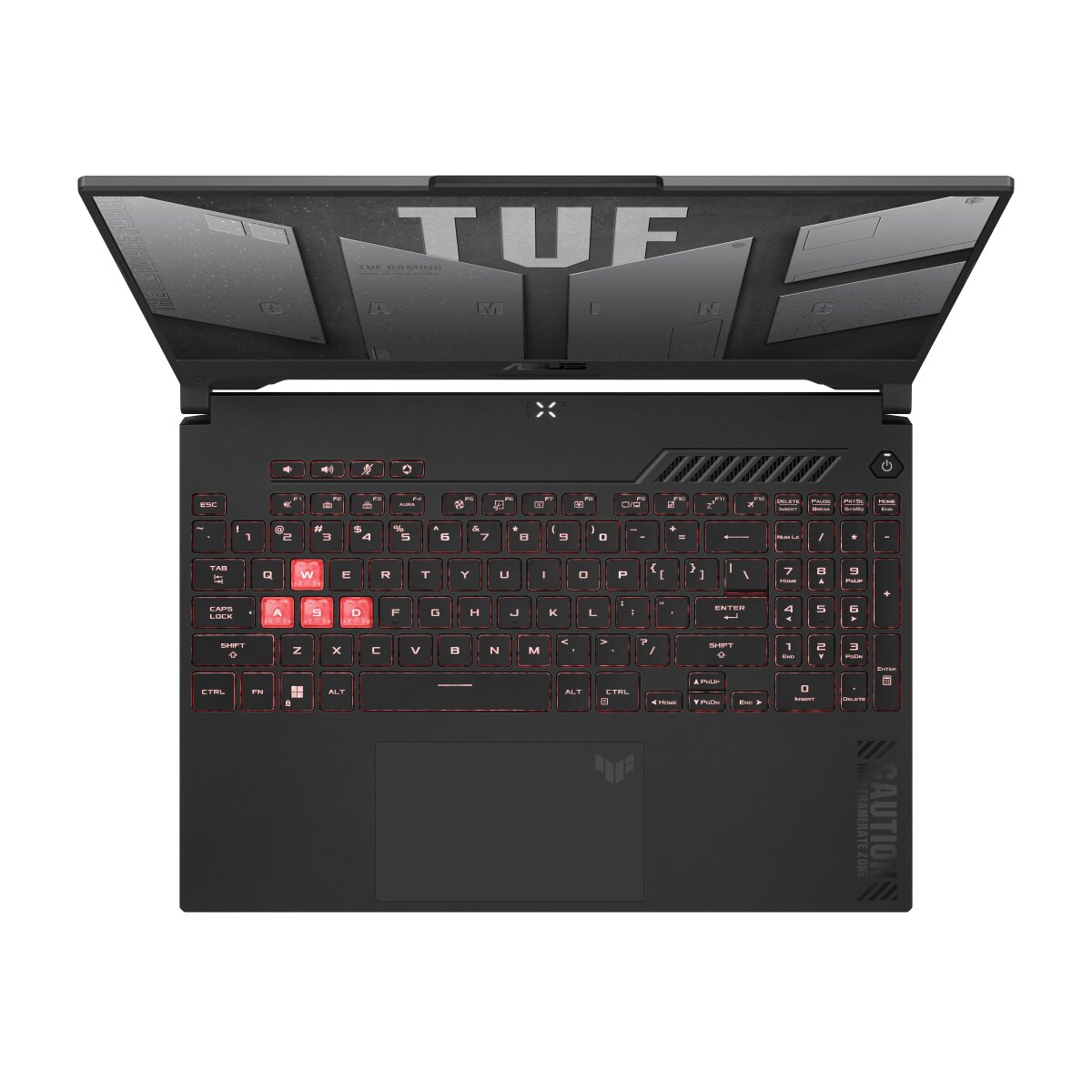
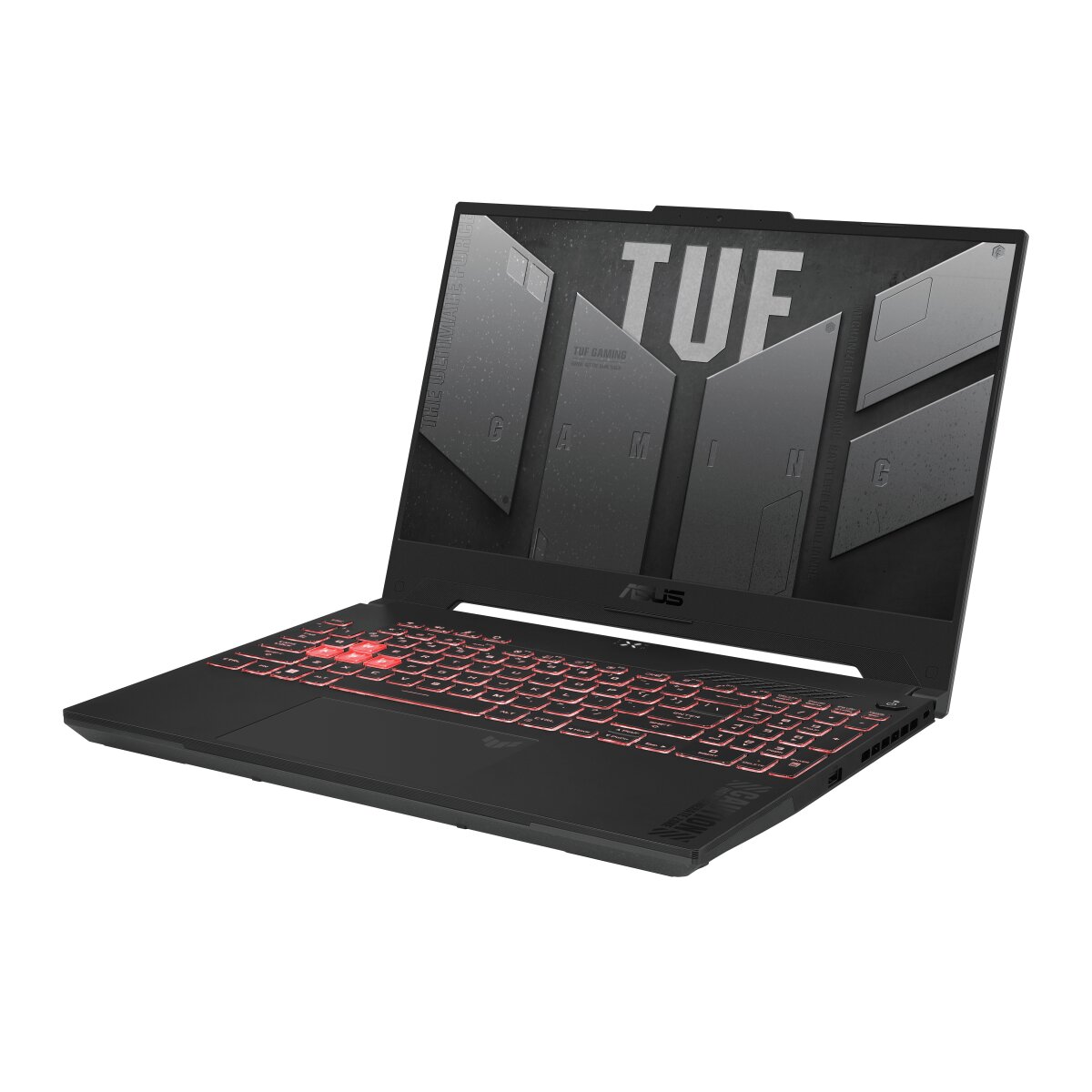
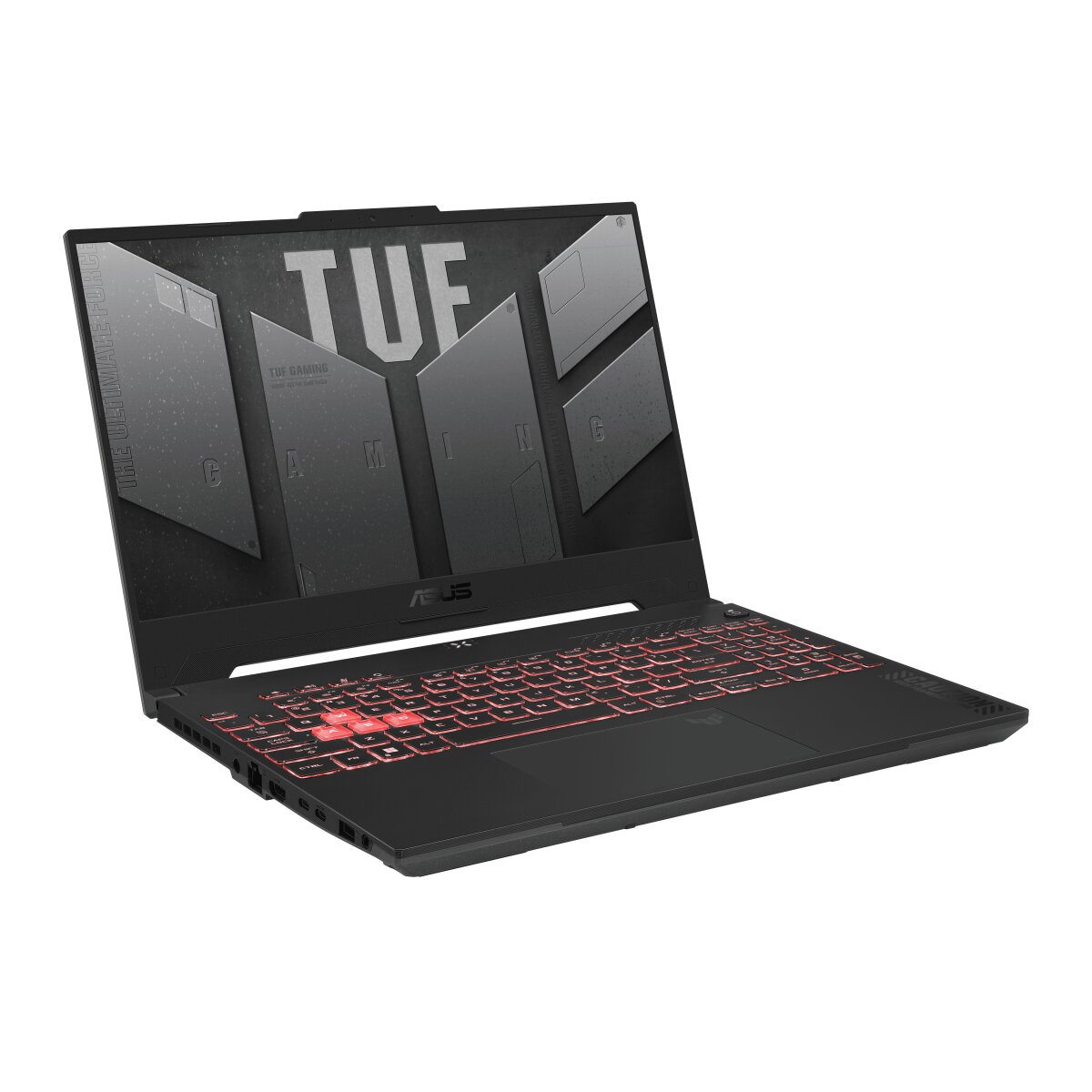
The ASUS TUF Gaming A15 FA507XI-LP024 features DDR5-SDRAM memory upgrade capabilities with two SO-DIMM slots supporting a maximum RAM capacity of 32 GB. Compatible memory modules operate at 4800 MHz frequency. The laptop specifications indicate support for DDR5 memory technology in SO-DIMM form factor, enabling users to upgrade the existing memory configuration to reach the maximum supported capacity of 32 GB total. Memory upgrade specifications are compatible with DDR5-SDRAM standards.
Memory Upgrade Specifications
| Specification | Value |
|---|---|
| Memory slots | 2x SO-DIMM |
| Form factor | SO-DIMM |
| Memory type | DDR5-SDRAM |
| Frequency | 4800 MHz |
| Maximum RAM | 32 GB |
| Voltage | 1.1V |
| Number of pins | 262-pin |
| Interface | PC5 |
| PC Speed Rating | PC5-4800 (PC5-38400) |
| Bandwidth | 38.4 GB/s |
| Laptop Release date | 26 January 2023 |
Additional Notes
- The DDR5 architecture requires modules installed in matched pairs to operate in dual-channel mode for optimal memory bandwidth, making single-module configurations technically functional but substantially limited in throughput performance.
- Standard JEDEC DDR5-4800 timing specifications typically run at CL40 latency, which translates to approximately 16.67 nanoseconds of actual latency despite the higher absolute CAS value compared to DDR4 modules.
- DDR5 SO-DIMM modules operate at 1.1V base voltage compared to DDR4's 1.2V standard, reducing thermal output during sustained workloads while maintaining compatibility with the motherboard's power delivery subsystem.
- The 32 GB maximum capacity constraint indicates chipset-level limitations rather than physical slot restrictions, as individual 32 GB DDR5 SO-DIMM modules exist but exceed the memory controller's addressable range in this ASUS TUF Gaming FA507XI-LP024 configuration.
- Installing 4800 MHz modules alongside the original memory maintains the JEDEC-specified frequency floor, while higher-rated modules will downclock to match the system's 4800 MHz specification unless XMP/EXPO profiles receive BIOS support.
- DDR5's on-die ECC operates independently of system-level error correction, providing background bit-flip protection without requiring specialized unbuffered ECC SO-DIMM modules or motherboard validation.
- SO-DIMM retention clips require outward angular pressure for module removal, with insertion demanding firm vertical force until both clips engage autonomously, eliminating the inward-squeeze mechanism used in older laptop designs.
- Mixing manufacturers or density configurations across the 2 slots technically functions under JEDEC standards but forces the memory controller into asymmetric mode, degrading interleaving efficiency compared to matched module pairs.
- The 4800 MHz transfer rate delivers 38.4 GB/s theoretical bandwidth per channel, reaching 76.8 GB/s aggregate throughput in dual-channel operation before accounting for command overhead and refresh cycles.
- DDR5 SO-DIMM modules maintain backward mechanical incompatibility with DDR4 slots through relocated notch positioning, preventing physically incorrect installations that could damage components or contacts.