ASUS TUF Gaming TUF506IHNT-HN073 RAM upgrade specifications
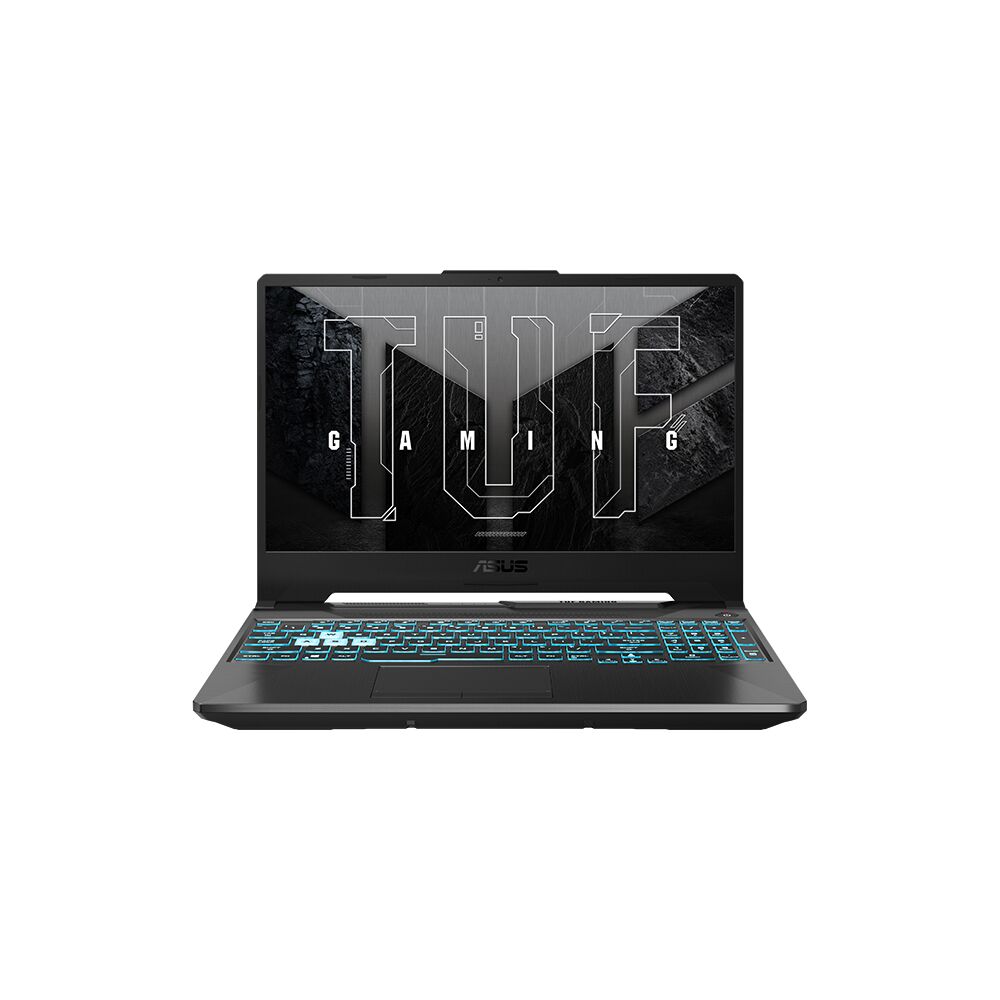
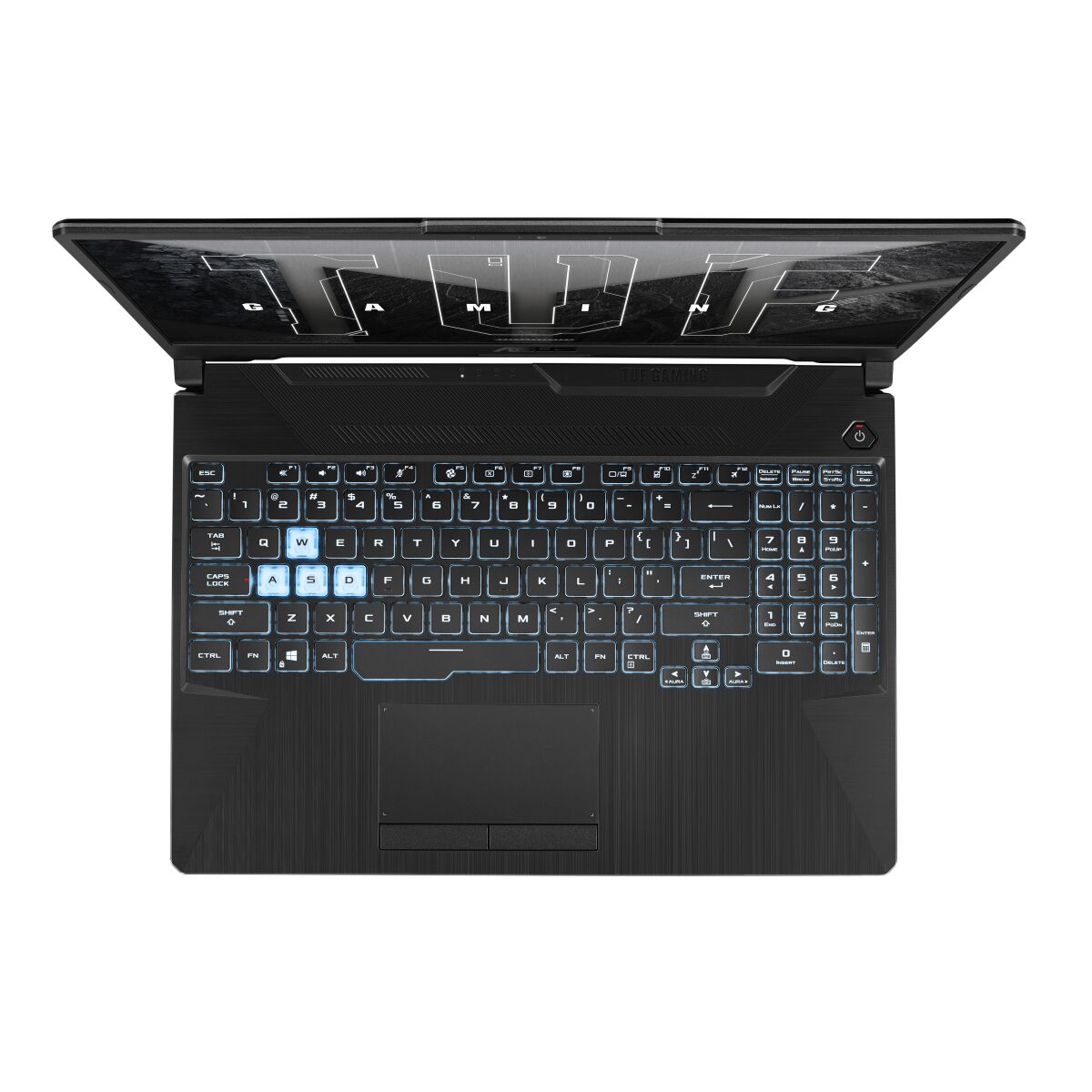
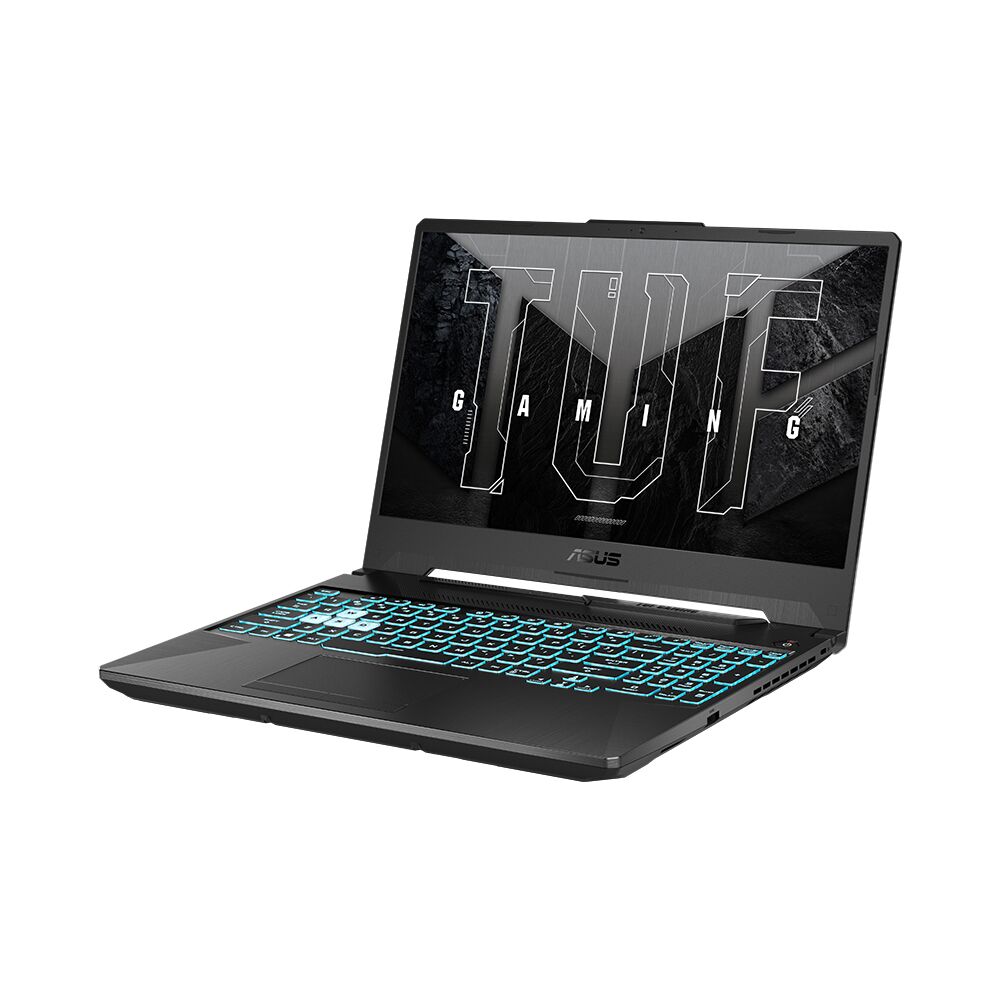
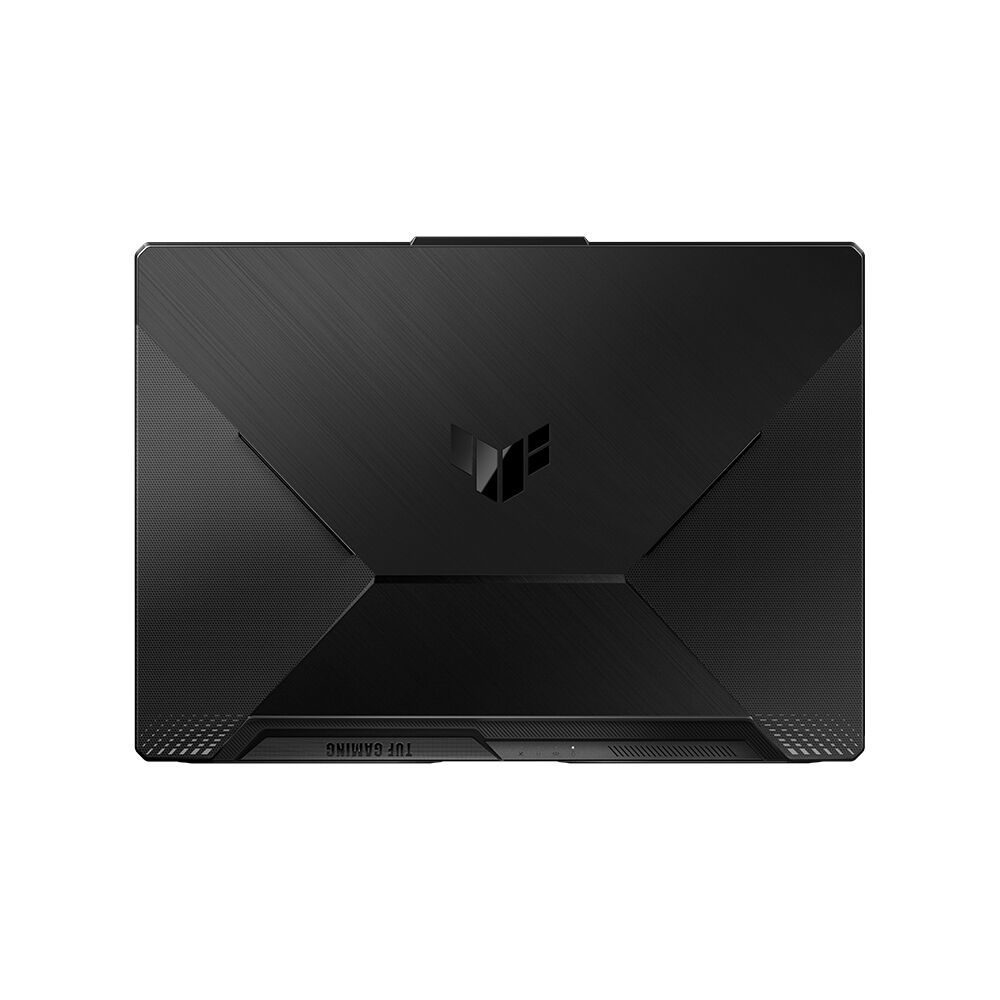
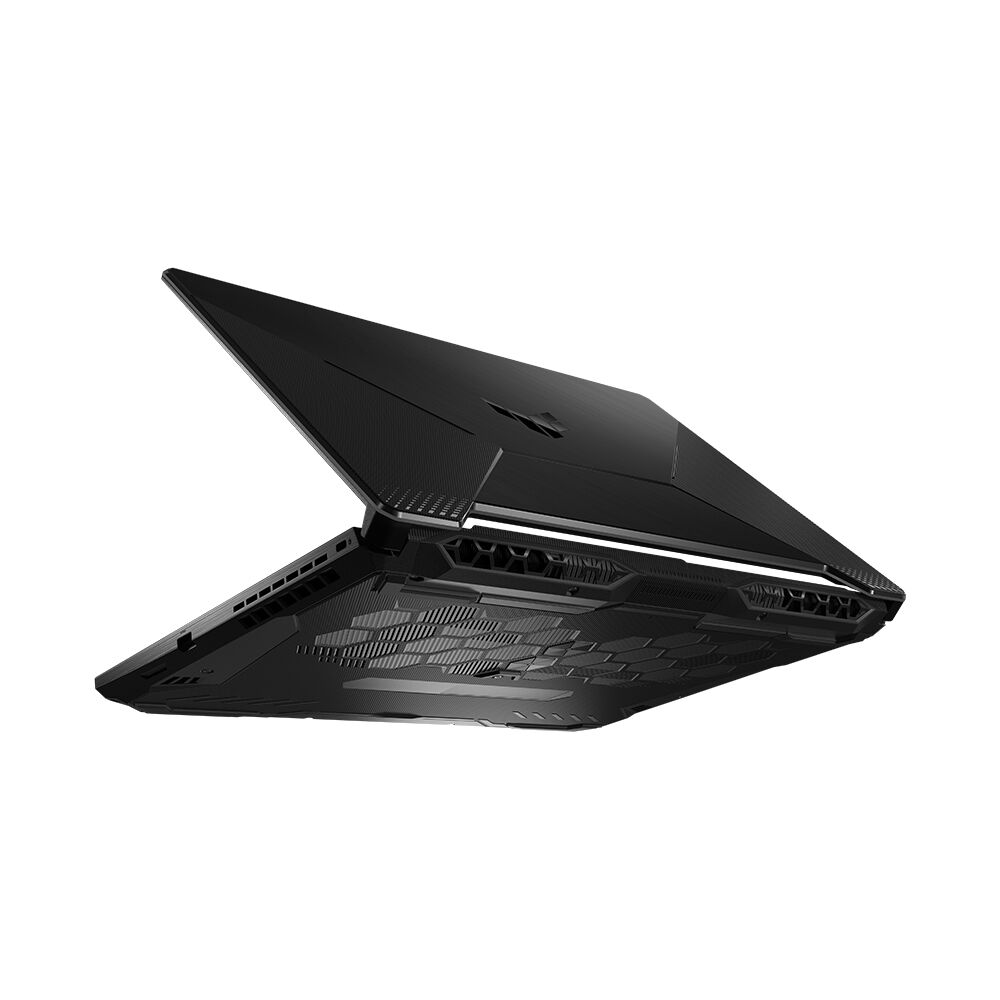
ASUS TUF Gaming A15 series model TUF506IHNT-HN073 supports DDR4-SDRAM memory upgrades via dual SO-DIMM slots. Maximum RAM capacity reaches 32 GB total. Compatible memory modules operate at 3200 MHz frequency. Upgrade specifications indicate support for standard SO-DIMM form factor modules. Existing memory configuration allows expansion up to maximum supported capacity through compatible DDR4 upgrades in available slots.
Memory Upgrade Specifications
| Specification | Value |
|---|---|
| Memory slots | 2x SO-DIMM |
| Form factor | SO-DIMM |
| Memory type | DDR4-SDRAM |
| Frequency | 3200 MHz |
| Maximum RAM | 32 GB |
| Voltage | 1.2V |
| Number of pins | 260-pin |
| Interface | PC4 |
| PC Speed Rating | PC4-3200 (PC4-25600) |
| Bandwidth | 25.6 GB/s |
| Laptop Release date | 10 April 2022 |
Additional Notes
- The 32 GB ceiling reflects chipset-level addressing limitations rather than physical slot capacity, preventing recognition of higher-density modules even if physically compatible.
- DDR4-3200 operation requires BIOS support for JEDEC standard or XMP profiles, as modules may default to 2400 or 2666 MHz without proper configuration.
- Dual SO-DIMM configuration enables dual-channel bandwidth of 51.2 GB/s when matched modules populate both slots, versus 25.6 GB/s in single-channel asymmetric configurations.
- Mixing modules with different ranks (single-rank with dual-rank) forces the memory controller to operate all modules at the lower common rank configuration, reducing interleaving efficiency.
- The ASUS TUF Gaming TUF506IHNT-HN073 DDR4 specification excludes DDR5 compatibility due to incompatible voltage requirements (1.2V versus 1.1V) and notch repositioning on the module edge connector.
- Thermal throttling may occur with high-density modules lacking integrated heat spreaders, as gaming workloads sustain continuous memory access patterns exceeding 70°C junction temperatures.
- Non-standard latency timings (CL22 versus CL16) at 3200 MHz introduce 3.75 nanosecond delay penalties per access cycle, compounding frame time variance in CPU-bound gaming scenarios.
- SO-DIMM latch mechanisms require specific insertion angles between 20 and 30 degrees before seating, with incorrect approach vectors risking retention clip breakage and warranty voidance.
- ECC (Error-Correcting Code) modules physically fit SO-DIMM slots but remain incompatible with consumer-grade memory controllers lacking parity bit processing logic.
- Exceeding the 1.35V specification threshold through overclocking attempts degrades MOSFET lifespan in the voltage regulator module, invalidating manufacturer coverage on power delivery failures.