ASUS TUF Gaming TUF506HM-HN211 RAM upgrade specifications
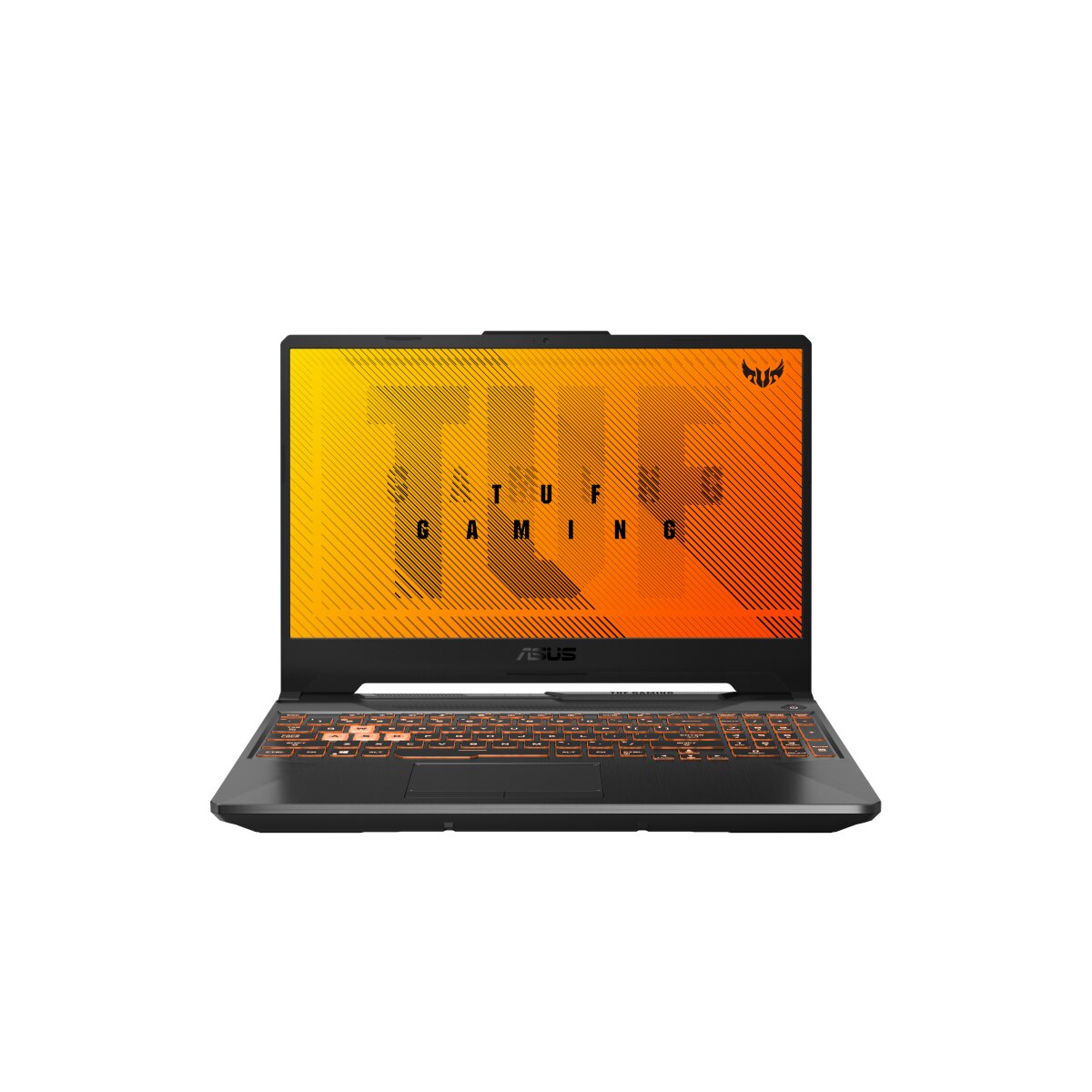
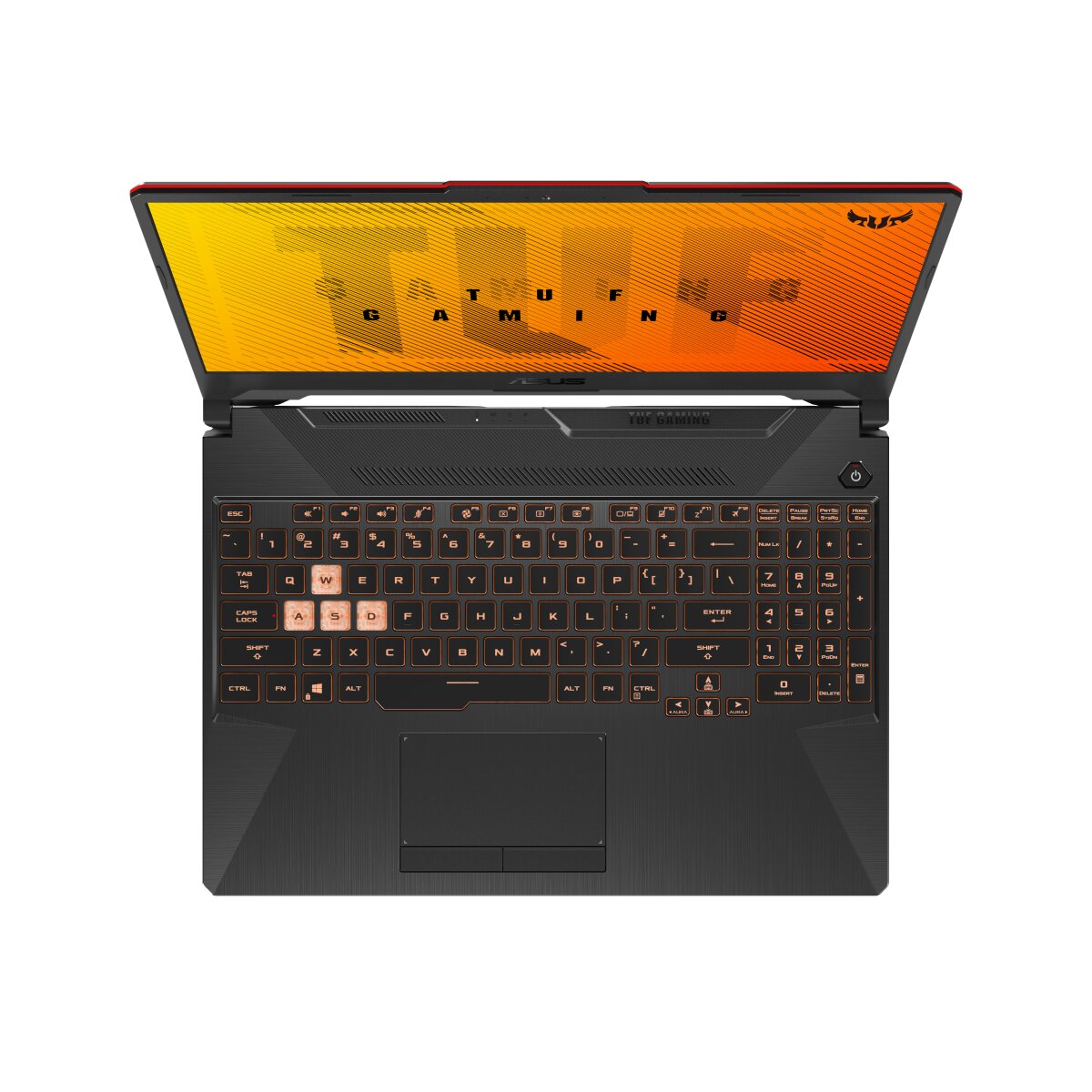

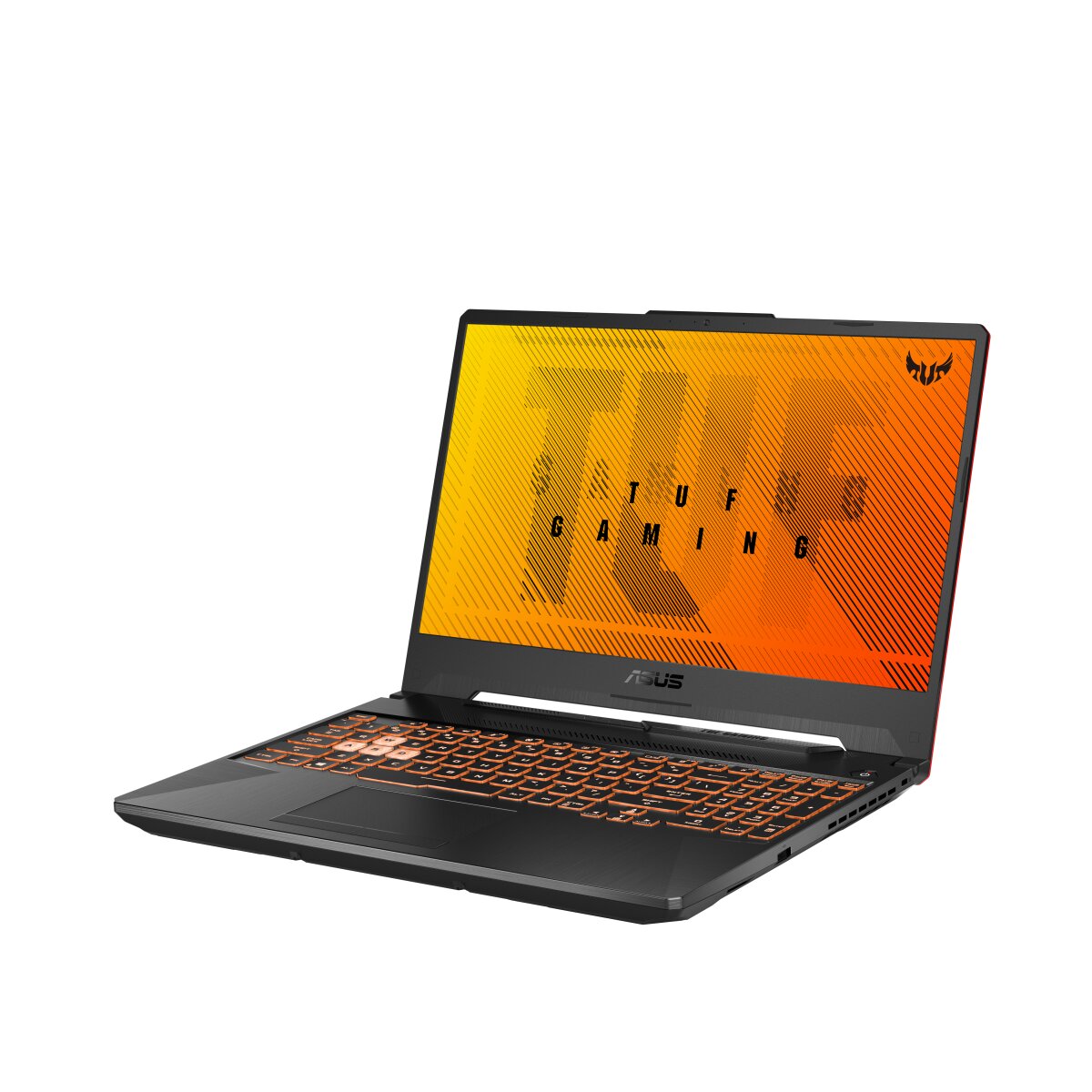
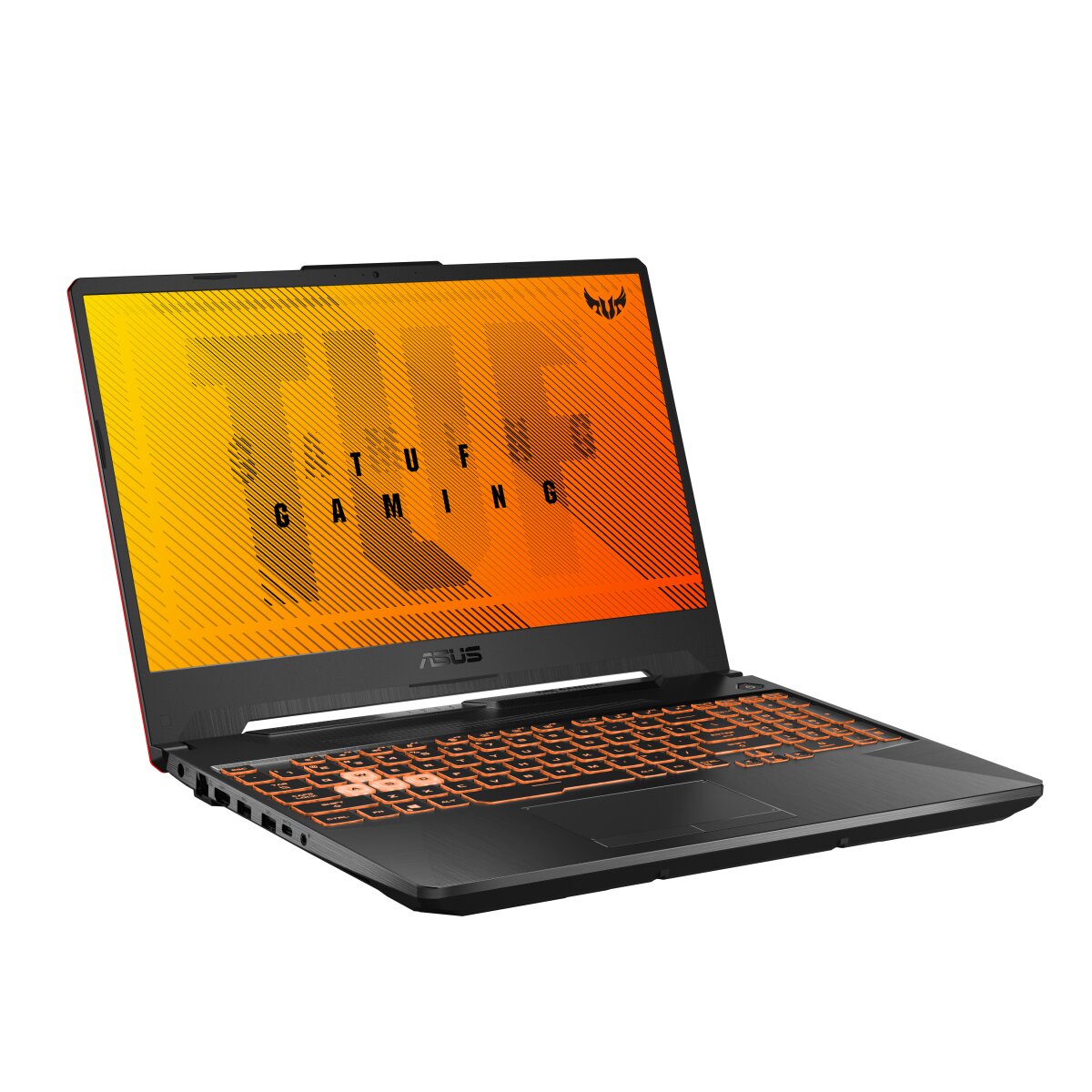
The ASUS TUF Gaming A15 TUF506HM-HN211 features 2x SO-DIMM memory slots supporting DDR4-SDRAM upgrades. The laptop accommodates a maximum RAM capacity of 32 GB total, with compatible modules operating at 3200 MHz frequency. Memory upgrade specifications enable configuration of dual-channel architecture for enhanced system performance. The SO-DIMM form factor designates the physical slot compatibility for RAM modules. Supported DDR4 memory operates within specifications established for the TUF506HM-HN211 platform, permitting flexible upgrade pathways to achieve maximum memory configuration.
Memory Upgrade Specifications
| Specification | Value |
|---|---|
| Memory slots | 2x SO-DIMM |
| Form factor | SO-DIMM |
| Memory type | DDR4-SDRAM |
| Frequency | 3200 MHz |
| Maximum RAM | 32 GB |
| Voltage | 1.2V |
| Number of pins | 260-pin |
| Interface | PC4 |
| PC Speed Rating | PC4-3200 (PC4-25600) |
| Bandwidth | 25.6 GB/s |
| Laptop Release date | 31 December 2021 |
Additional Notes
- The ASUS TUF Gaming TUF506HM-HN211 supports maximum 32 GB capacity across 2 slots, meaning each slot accepts 16 GB modules at most for full population.
- DDR4-3200 standard imposes a hard ceiling on memory bandwidth at 51.2 GB/s; upgrading beyond this frequency requires CPU-level support that this platform does not provide, making faster DDR4 or DDR5 incompatible regardless of physical fit.
- SO-DIMM form factor restricts upgrade sources to laptop-grade modules only; desktop DDR4 UDIMM sticks cannot be installed due to notch position and physical length differences.
- Dual-slot architecture means asymmetric configurations (one 8 GB and one 16 GB module) operate in single-channel mode due to capacity mismatch, reducing effective memory bandwidth by approximately 50 percent compared to matched dual-channel pairing.
- Warranty-safe upgrades require OEM-validated or JEDEC-standard DDR4 SO-DIMM modules; third-party XMP/DOCP profiles void warranty coverage since this mobile chipset does not officially support overclocking profiles.
- Latency sensitivity exists with DDR4-3200 at CAS 22 timing; substituting CAS 20 or lower modules does not improve performance on this platform due to locked timing parameters in firmware, though CAS 22 remains the baseline requirement.
- Total upgrade headroom from factory configuration is system-dependent; if the device shipped with 8 GB single-channel, adding a second 16 GB module provides both capacity gain and dual-channel activation, delivering compounded performance improvement beyond raw capacity addition.