ASUS TUF Gaming FX507VI-LP063W RAM upgrade specifications




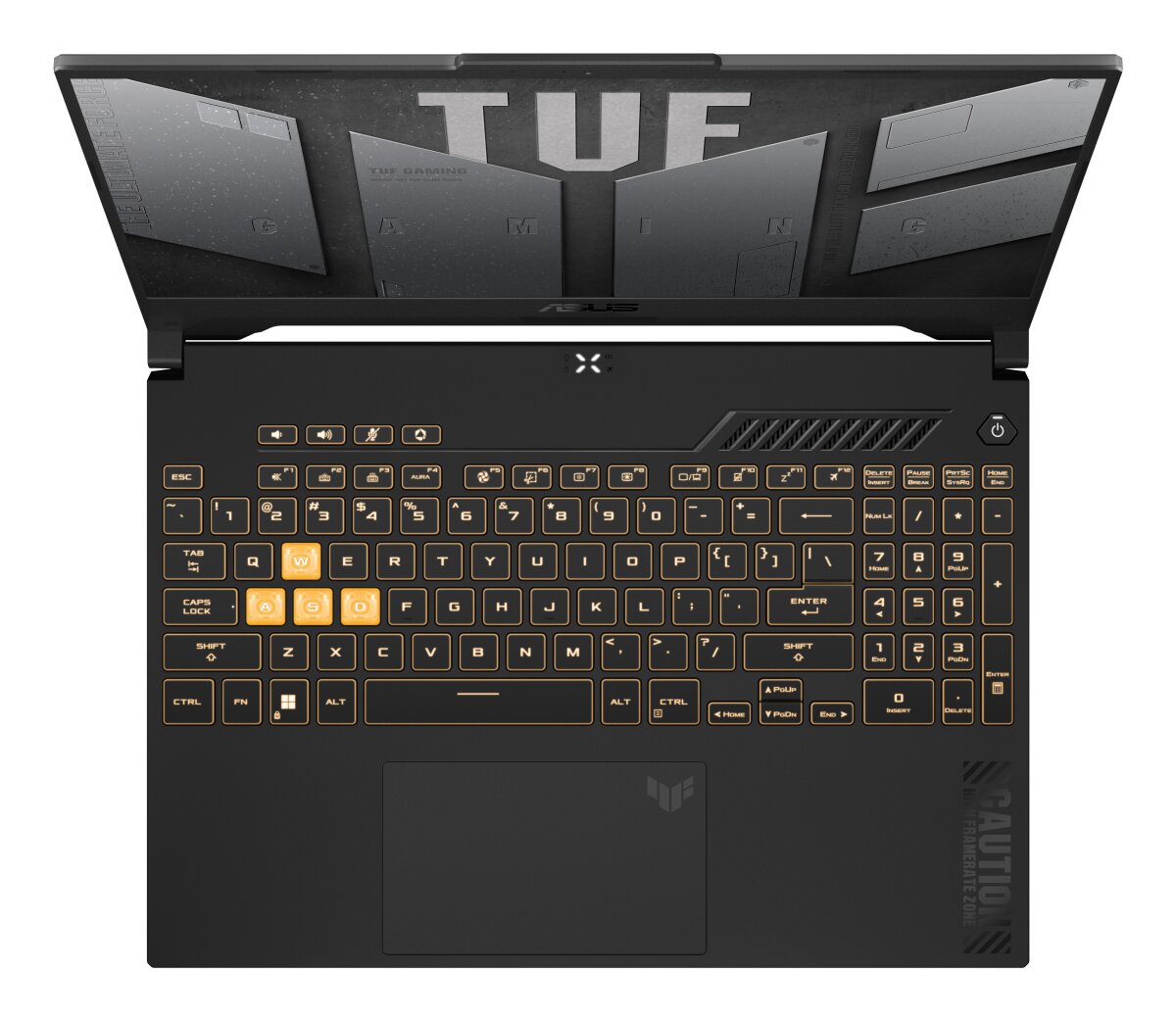
The ASUS TUF Gaming A15 FX507VI-LP063W features DDR4-SDRAM memory with 2x SO-DIMM slots for upgrade capabilities. The laptop supports maximum RAM capacity of 32 GB total, with compatible modules operating at 3200 MHz frequency. Specifications indicate SO-DIMM form factor memory modules are required for this gaming model. The upgrade slots allow for RAM expansion to enhance system performance and multitasking capabilities on the FX507VI-LP063W configuration.
Memory Upgrade Specifications
| Specification | Value |
|---|---|
| Memory slots | 2x SO-DIMM |
| Form factor | SO-DIMM |
| Memory type | DDR4-SDRAM |
| Frequency | 3200 MHz |
| Maximum RAM | 32 GB |
| Voltage | 1.2V |
| Number of pins | 260-pin |
| Interface | PC4 |
| PC Speed Rating | PC4-3200 (PC4-25600) |
| Bandwidth | 25.6 GB/s |
Additional Notes
- The ASUS TUF Gaming FX507VI-LP063W implements DDR4 architecture, which restricts future upgrades to DDR4 modules only, as DDR5 modules are physically and electrically incompatible with DDR4 slots.
- Both memory slots utilize the SO-DIMM specification, requiring modules measuring approximately 67.6mm in length rather than standard desktop DIMM modules.
- The 32 GB maximum capacity constraint applies across both slots combined, establishing a per-slot ceiling of 16 GB when operating at full specification.
- Installing a single 32 GB module would exceed per-slot addressing limitations and would likely result in system instability or failure to POST.
- Memory frequency operates at 3200 MHz, which corresponds to PC4-25600 bandwidth specification delivering 25.6 GB/s theoretical maximum transfer rate per channel.
- Installing modules rated below 3200 MHz will force the entire memory subsystem to downclock to the speed of the slowest installed module.
- Modules exceeding 3200 MHz specification will be throttled down to 3200 MHz unless manual BIOS overclocking is supported and enabled, which may void warranty coverage.
- Dual-channel operation requires identical module specifications in both slots to maintain symmetric bandwidth distribution and prevent automatic demotion to single-channel mode.
- Mixing modules with different timing specifications, even at identical frequencies, can result in stability issues as the memory controller attempts to reconcile conflicting CAS latency values.
- The SO-DIMM form factor typically operates at 1.2V standard voltage for DDR4, and higher-voltage XMP modules designed for desktop use may cause compatibility conflicts.
- Physical access to memory slots in this chassis configuration typically requires bottom panel removal, which may break tamper-evident warranty seals depending on regional service policies.
- Operating temperature constraints in gaming laptops mean modules with taller heat spreaders may interfere with thermal management components or chassis clearances during installation.