ASUS TUF Gaming TUF506QM-ES74 RAM upgrade specifications
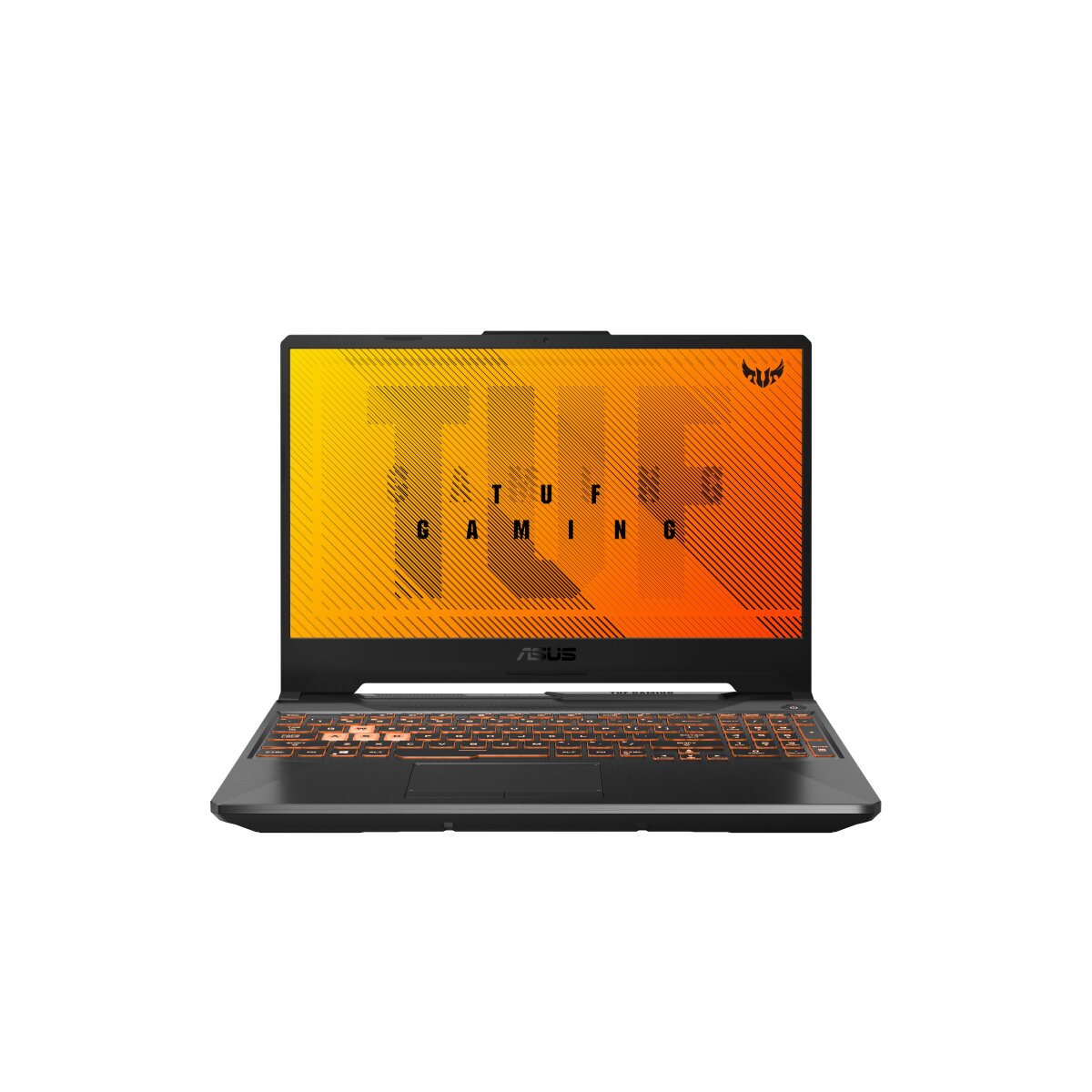


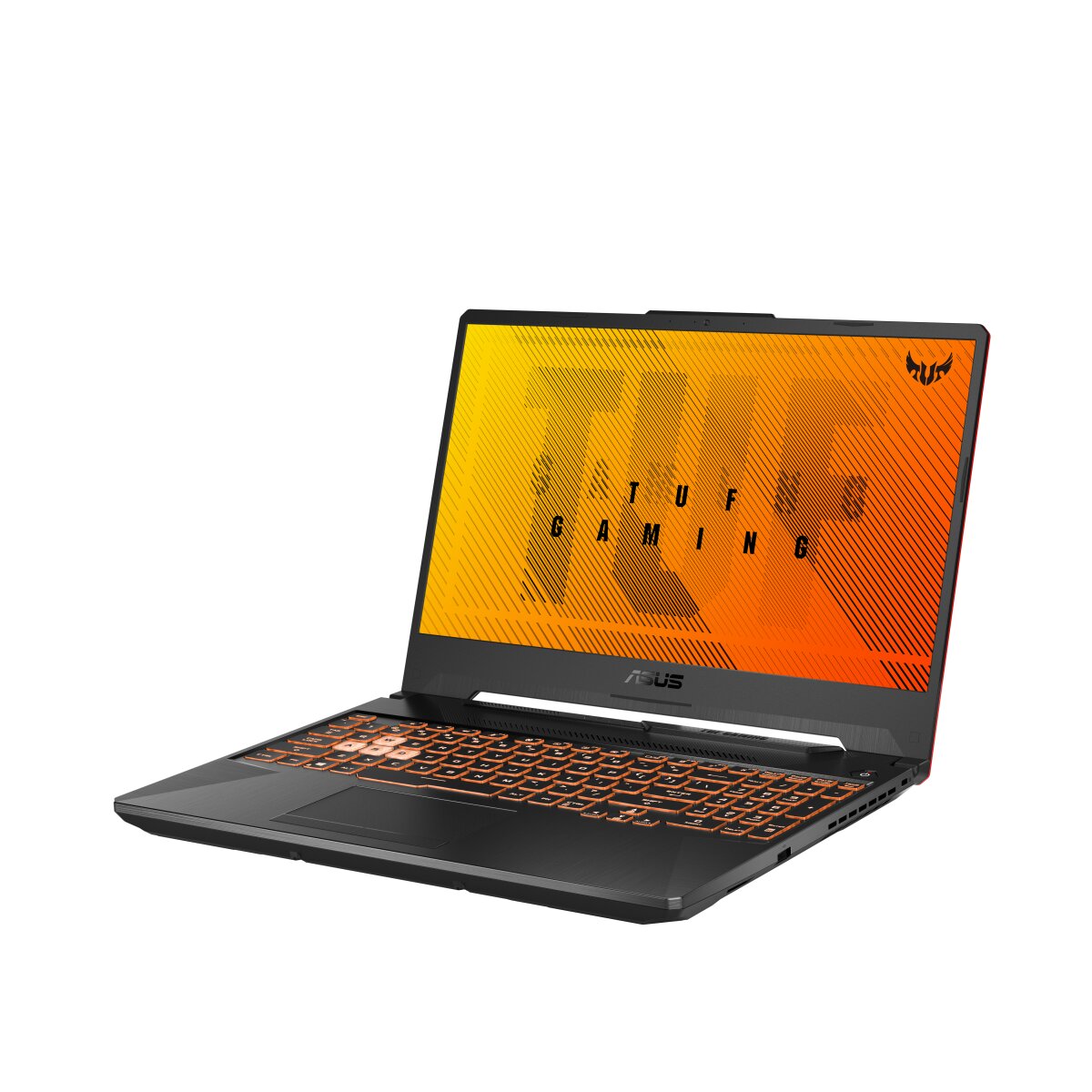
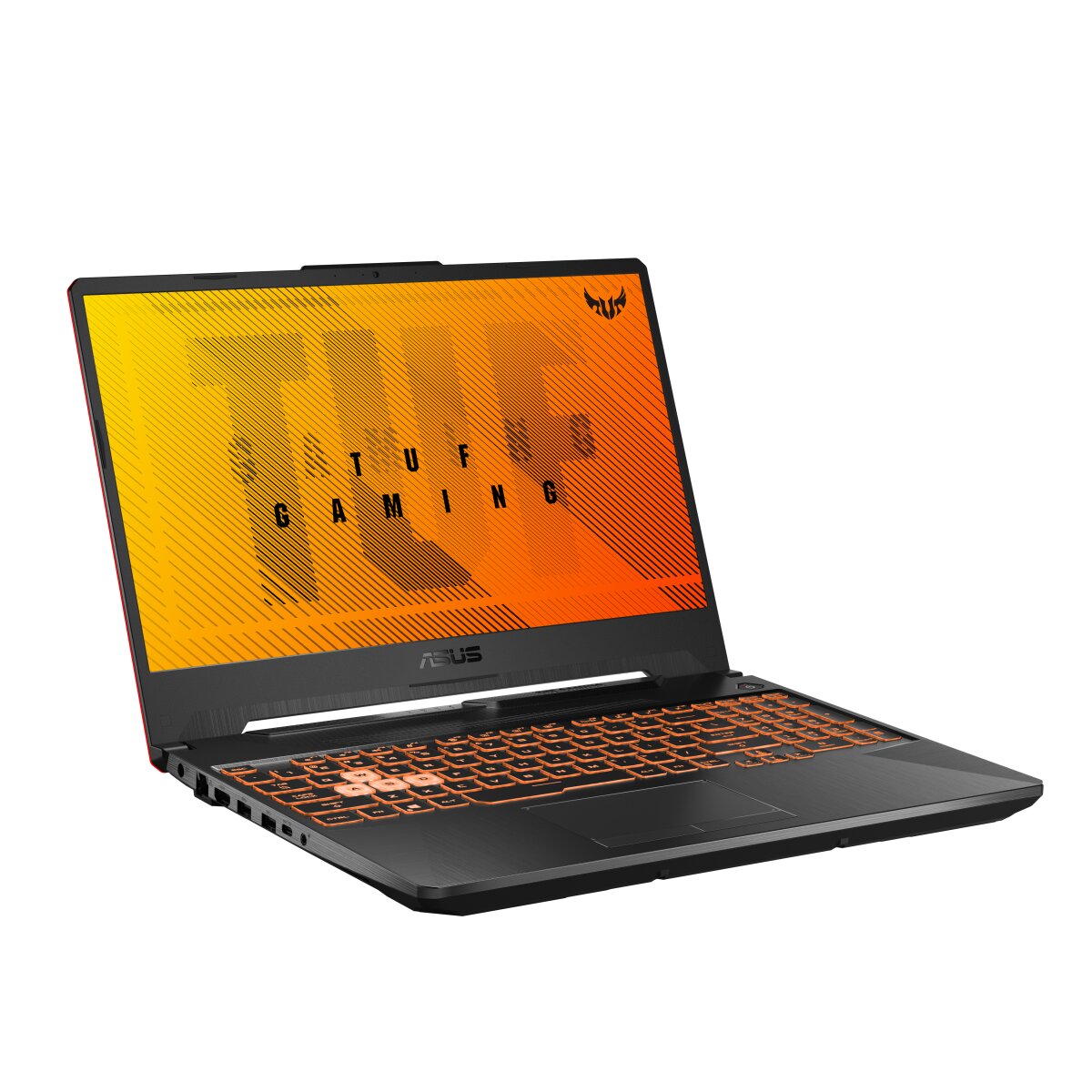
ASUS TUF Gaming A15 series model TUF506QM-ES74 supports DDR4-SDRAM memory upgrades. The laptop contains 2 SO-DIMM slots with maximum RAM capacity of 32 GB. Compatible memory modules operate at 3200 MHz frequency. Upgrades utilize SO-DIMM form factor specifications for this TUF Gaming A15 model. Memory compatibility requires DDR4-SDRAM technology specifications matching existing slot architecture and frequency requirements.
Memory Upgrade Specifications
| Specification | Value |
|---|---|
| Memory slots | 2x SO-DIMM |
| Form factor | SO-DIMM |
| Memory type | DDR4-SDRAM |
| Frequency | 3200 MHz |
| Maximum RAM | 32 GB |
| Voltage | 1.2V |
| Number of pins | 260-pin |
| Interface | PC4 |
| PC Speed Rating | PC4-3200 (PC4-25600) |
| Bandwidth | 25.6 GB/s |
Additional Notes
- The ASUS TUF Gaming TUF506QM-ES74 contains 2 SO-DIMM slots with a 32 GB aggregate ceiling, indicating either single or dual-module configurations are supported but total capacity cannot exceed this threshold regardless of individual stick density.
- SO-DIMM modules operate under stricter physical constraints than standard DIMM form factors, restricting upgrade sourcing to laptop-grade memory and eliminating desktop DDR4 compatibility despite identical electrical signaling protocols.
- The 3200 MHz specification defines the maximum supported frequency; memory modules rated above this speed will operate at reduced 3200 MHz frequencies rather than their rated specifications, effectively downclocking higher-performance modules.
- Dual-channel memory architecture requires matched pairs for optimal bandwidth utilization; asymmetric configurations (mismatched capacities or speeds) will default to the lowest common specification across both slots, creating a performance floor rather than an additive effect.
- DDR4-SDRAM technology reaches end-of-life status relative to DDR5 adoption cycles, meaning future module availability will progressively narrow and pricing may diverge unfavorably compared to current-generation alternatives over the upgrade lifespan.
- Installation requires complete system shutdown and battery disconnection; unlike some modern laptop designs, SO-DIMM access typically necessitates partial chassis disassembly, creating physical constraints that may void coverage if performed without manufacturer authorization documentation.
- Memory timings and voltage tolerances for DDR4 modules carry wider variance than specifications alone convey; modules certified for 3200 MHz operation may exhibit stability issues depending on undisclosed chipset tolerances and firmware revisions in this platform.