ASUS TUF Gaming TUF507NU-LP036 RAM upgrade specifications
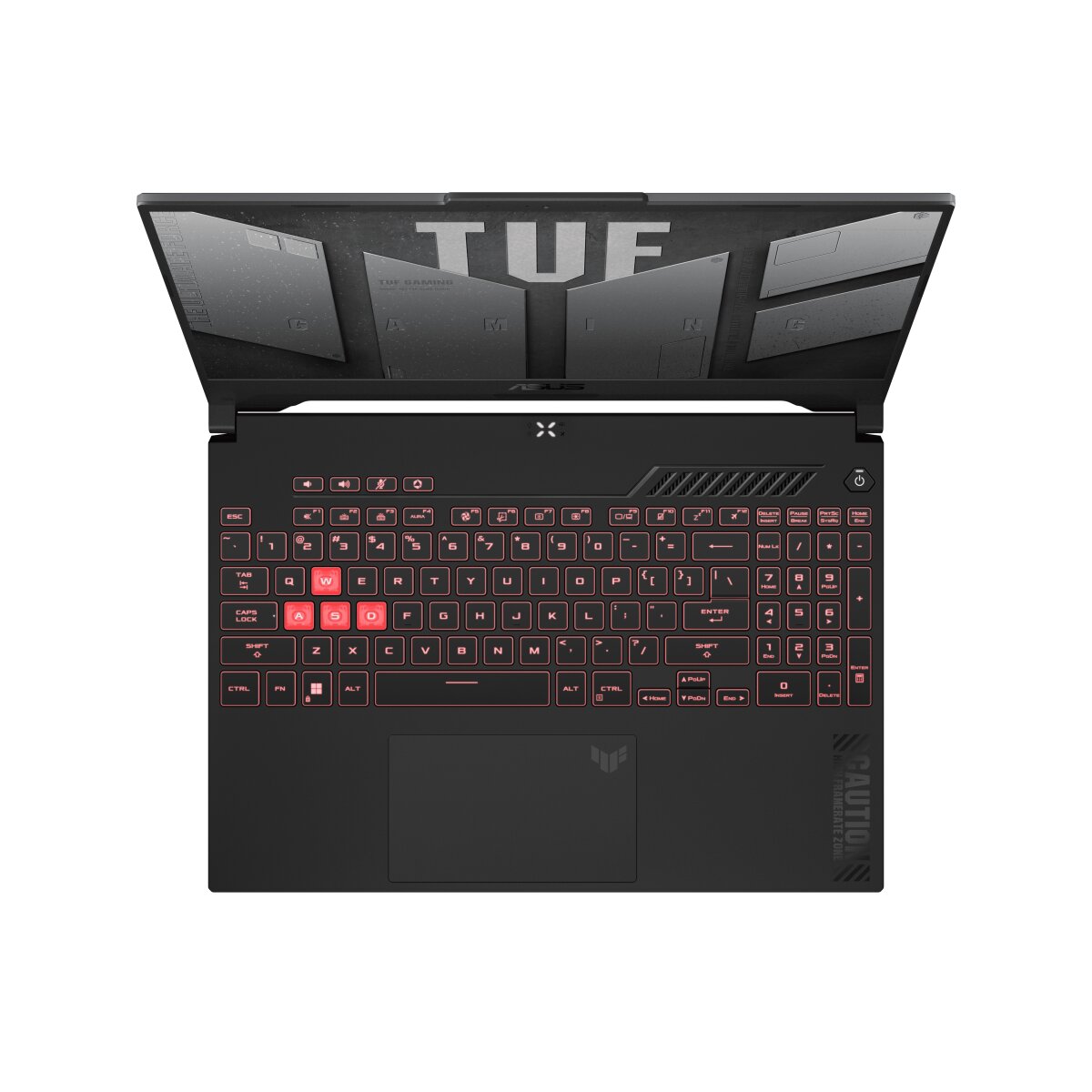
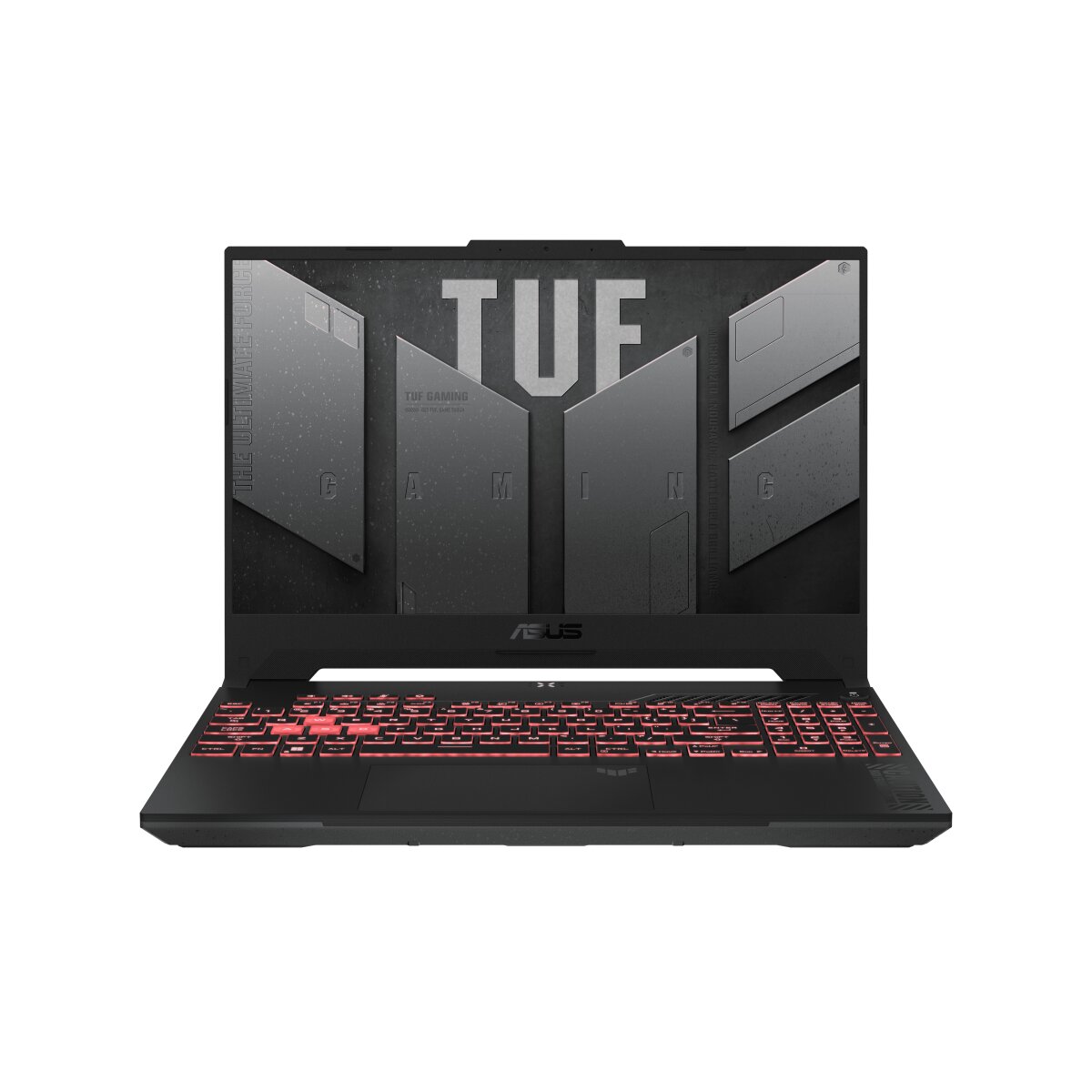
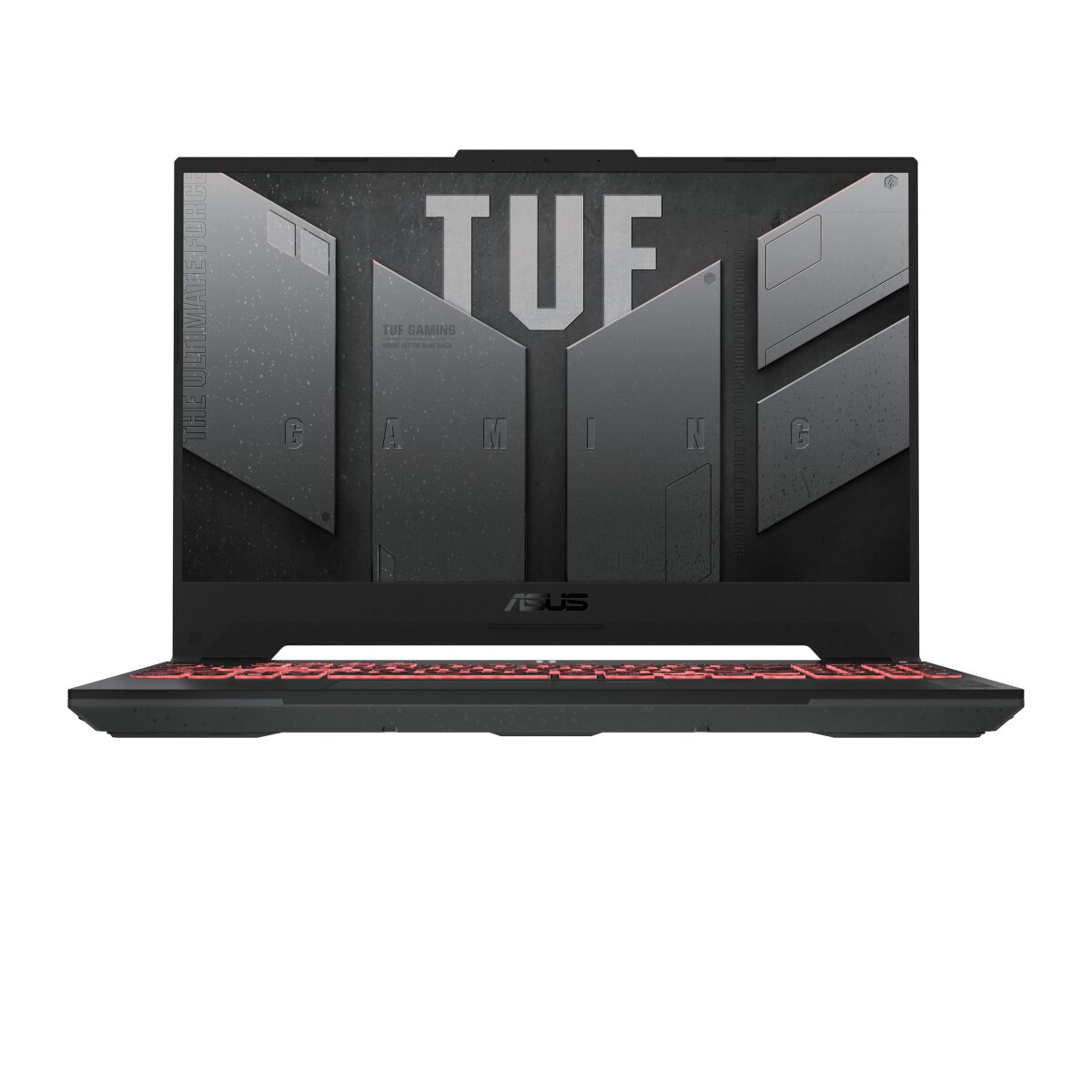
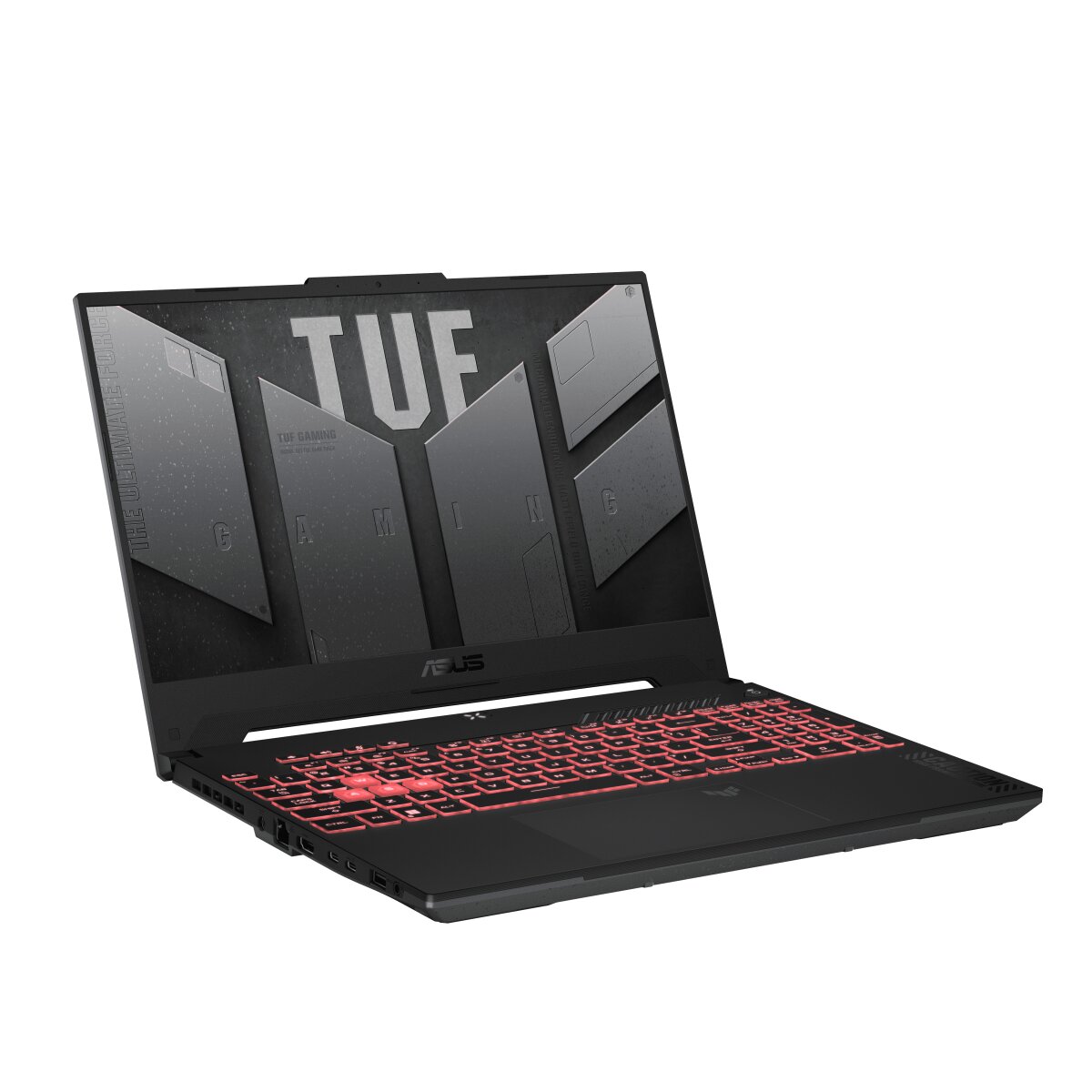
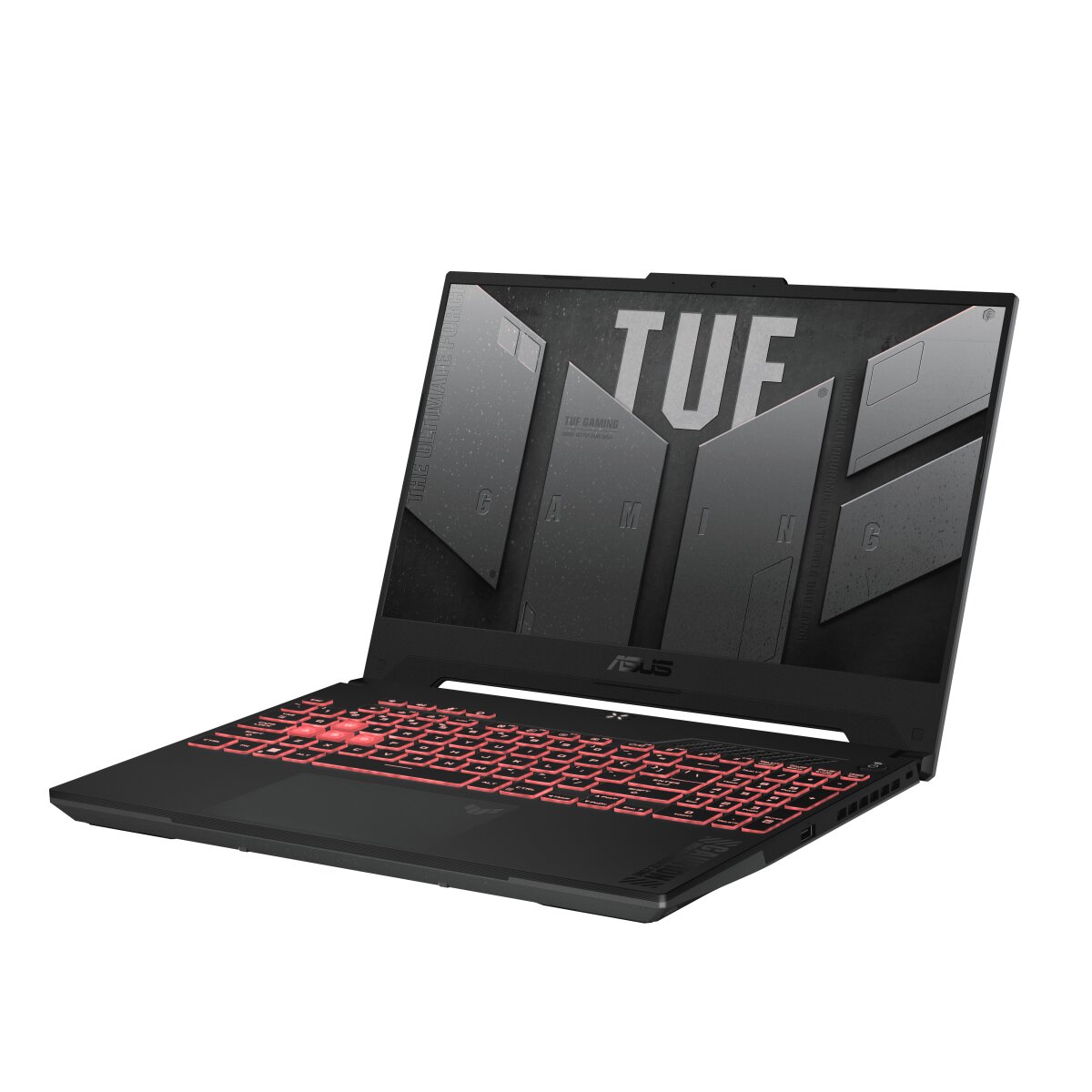
ASUS TUF Gaming A15 series model TUF507NU-LP036 supports DDR5-SDRAM memory upgrades across 2x SO-DIMM slots. The laptop accommodates maximum RAM capacity of 32 GB total. Compatible memory modules operate at 4800 MHz frequency and utilize SO-DIMM form factor specifications. Upgrade configurations allow installation of compatible DDR5 memory to enhance system performance and multitasking capabilities on this gaming laptop model.
Memory Upgrade Specifications
| Specification | Value |
|---|---|
| Memory slots | 2x SO-DIMM |
| Form factor | SO-DIMM |
| Memory type | DDR5-SDRAM |
| Frequency | 4800 MHz |
| Maximum RAM | 32 GB |
| Voltage | 1.1V |
| Number of pins | 262-pin |
| Interface | PC5 |
| PC Speed Rating | PC5-4800 (PC5-38400) |
| Bandwidth | 38.4 GB/s |
| Laptop Release date | 16 March 2023 |
Additional Notes
- The ASUS TUF Gaming TUF507NU-LP036 contains 2 SO-DIMM slots operating at 4800 MHz, establishing a hard ceiling of 32 GB total capacity that cannot be exceeded through memory expansion regardless of module density advances.
- DDR5-SDRAM modules rated for 4800 MHz operation require JEDEC compliance verification during procurement; mismatched frequency specifications may force automatic downclocking to lower JEDEC standards, reducing effective bandwidth below the platform's native capability.
- SO-DIMM form factor constrains module options to laptop-specific memory; desktop DDR5 UDIMM modules cannot physically install in this chassis, eliminating cost-reduction alternatives from consumer-grade inventory.
- Dual-slot architecture creates a single point of failure where malfunction in one DIMM socket renders the entire memory subsystem unstable; redundancy through RAID or mirroring is unavailable at the DRAM level.
- Symmetric dual-channel configuration operates optimally when both SO-DIMM slots contain matched capacity and speed modules; asymmetric population reduces memory bandwidth efficiency and may trigger BIOS limitations on unbalanced configurations.
- The 32 GB maximum capacity represents approximately 40 to 60 percent of current desktop workstation standards, creating resource constraints for VM hosting, containerized environments, or large-dataset processing workflows despite DDR5 speed advantages.