ASUS TUF Gaming FA617NSR-N3057-GAMING RAM upgrade specifications


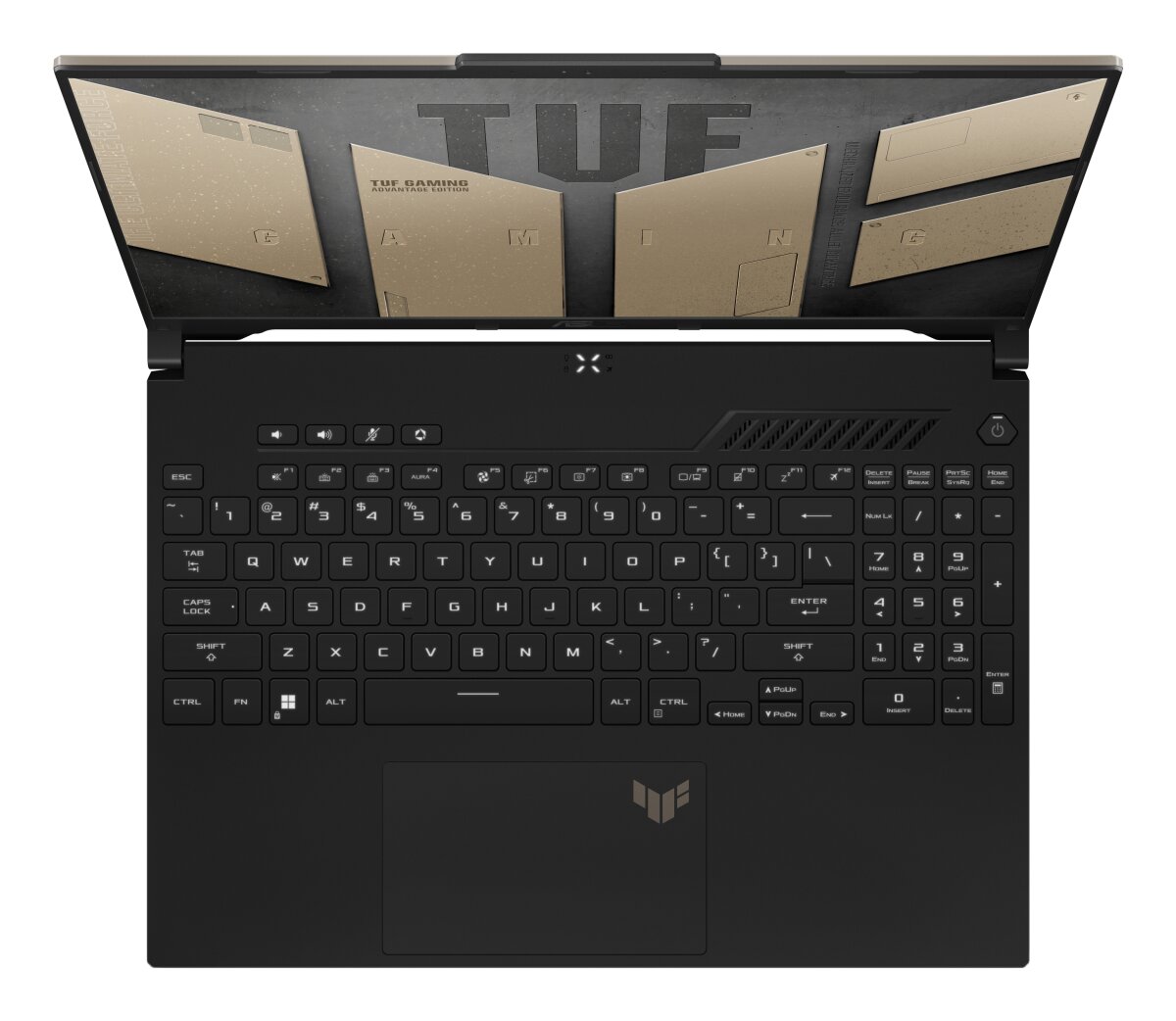

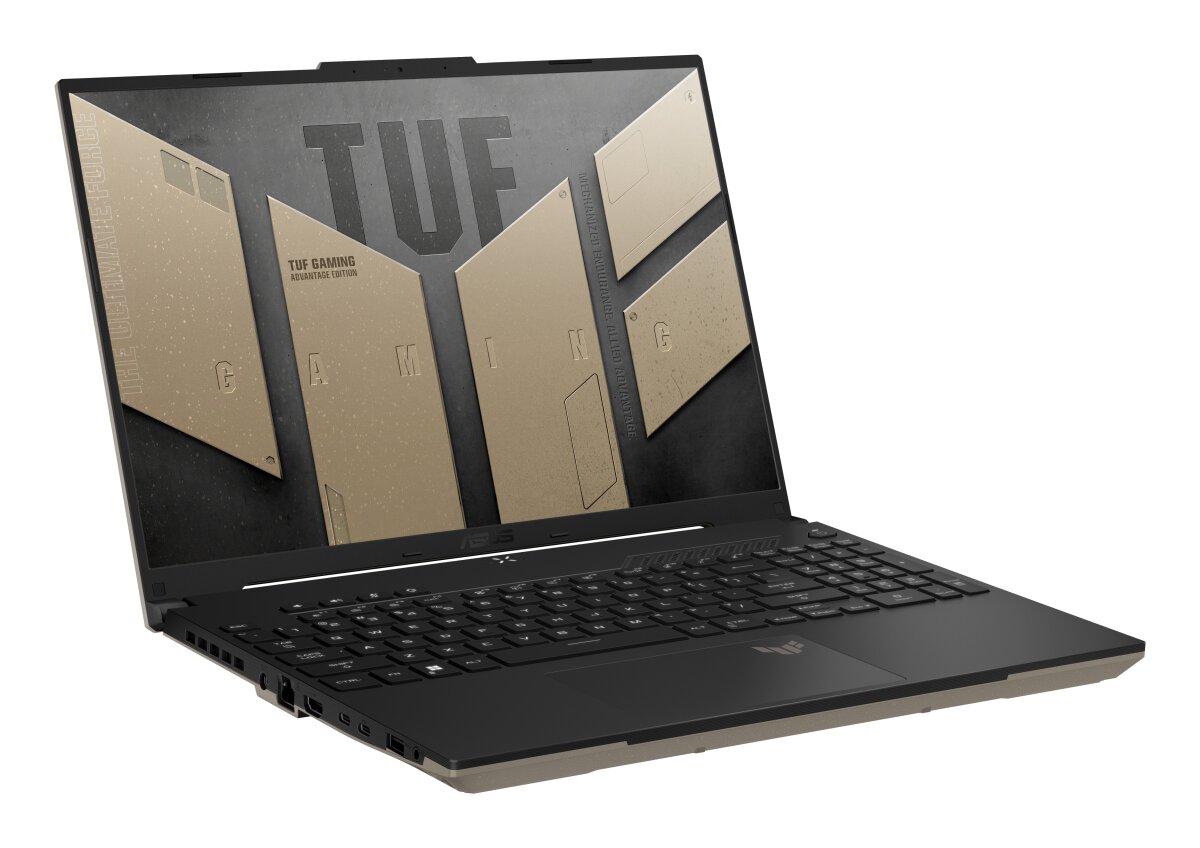
ASUS TUF Gaming A16 Advantage Edition model FA617NSR-N3057-GAMING features DDR5-SDRAM memory specifications compatible with 2x SO-DIMM slots. Maximum RAM capacity reaches 32 GB total, with memory operating at 4800 MHz frequency. Upgrade slots accommodate SO-DIMM form factor modules, enabling users to expand system memory from factory baseline configurations up to the 32 GB maximum specification for enhanced multitasking and gaming performance capabilities.
Memory Upgrade Specifications
| Specification | Value |
|---|---|
| Memory slots | 2x SO-DIMM |
| Form factor | SO-DIMM |
| Memory type | DDR5-SDRAM |
| Frequency | 4800 MHz |
| Maximum RAM | 32 GB |
| Voltage | 1.1V |
| Number of pins | 262-pin |
| Interface | PC5 |
| PC Speed Rating | PC5-4800 (PC5-38400) |
| Bandwidth | 38.4 GB/s |
Additional Notes
- The DDR5-4800 specification represents the JEDEC baseline standard, which means higher-frequency modules rated at 5200 MHz, 5600 MHz, or 6000 MHz will typically downclock to 4800 MHz unless the system BIOS explicitly supports XMP or EXPO overclocking profiles for DDR5 SO-DIMMs.
- The 32 GB maximum capacity constraint in the ASUS TUF Gaming FA617NSR-N3057-GAMING allows only 2x16 GB configurations, preventing the use of 2x24 GB or 2x32 GB modules that physically fit the SO-DIMM slots but exceed controller or chipset addressing limits.
- DDR5 SO-DIMM modules operate with on-die ECC at the DRAM level, but this differs from true server-grade ECC that reports correctable errors to the operating system, meaning silent error correction occurs without user visibility or logging.
- Mixing DDR5 modules with different CAS latencies or timings across the 2 slots forces the memory controller to adopt the slowest common timing profile, potentially degrading performance even when both modules run at 4800 MHz.
- Single-rank versus dual-rank module architecture affects memory interleaving performance, where 2x16 GB dual-rank SO-DIMMs generally provide 5 to 15 percent higher bandwidth than single-rank equivalents due to improved channel utilization.
- The SO-DIMM form factor restricts physical compatibility to laptop-specific modules, as standard DIMM desktop RAM uses different pin counts (262-pin for DDR5 SO-DIMM versus 288-pin for DDR5 DIMM) and voltage regulation architectures.
- DDR5's integrated power management IC on each module means voltage regulation occurs at the RAM stick rather than the motherboard, reducing compatibility issues but requiring strict adherence to JEDEC voltage specifications to avoid thermal throttling in confined laptop chassis.
- Upgrading beyond factory-installed capacity may void certain regional warranties unless performed by authorized service centers, particularly in markets where bottom-panel removal breaks tamper-evident seals used for warranty validation.
- The 4800 MHz frequency requires matched signal integrity across both SO-DIMM slots, meaning trace lengths and impedance matching on the motherboard limit practical upgrades to modules within 200 MHz of the validated speed to maintain stability under sustained workloads.
- DDR5's higher prefetch architecture (16n versus DDR4's 8n) means effective latency improvements only manifest in bandwidth-intensive applications, while latency-sensitive tasks may see negligible gains compared to optimized DDR4-3200 configurations with tighter timings.