ASUS TUF Gaming FA617NSR-N3056-GAMING RAM upgrade specifications


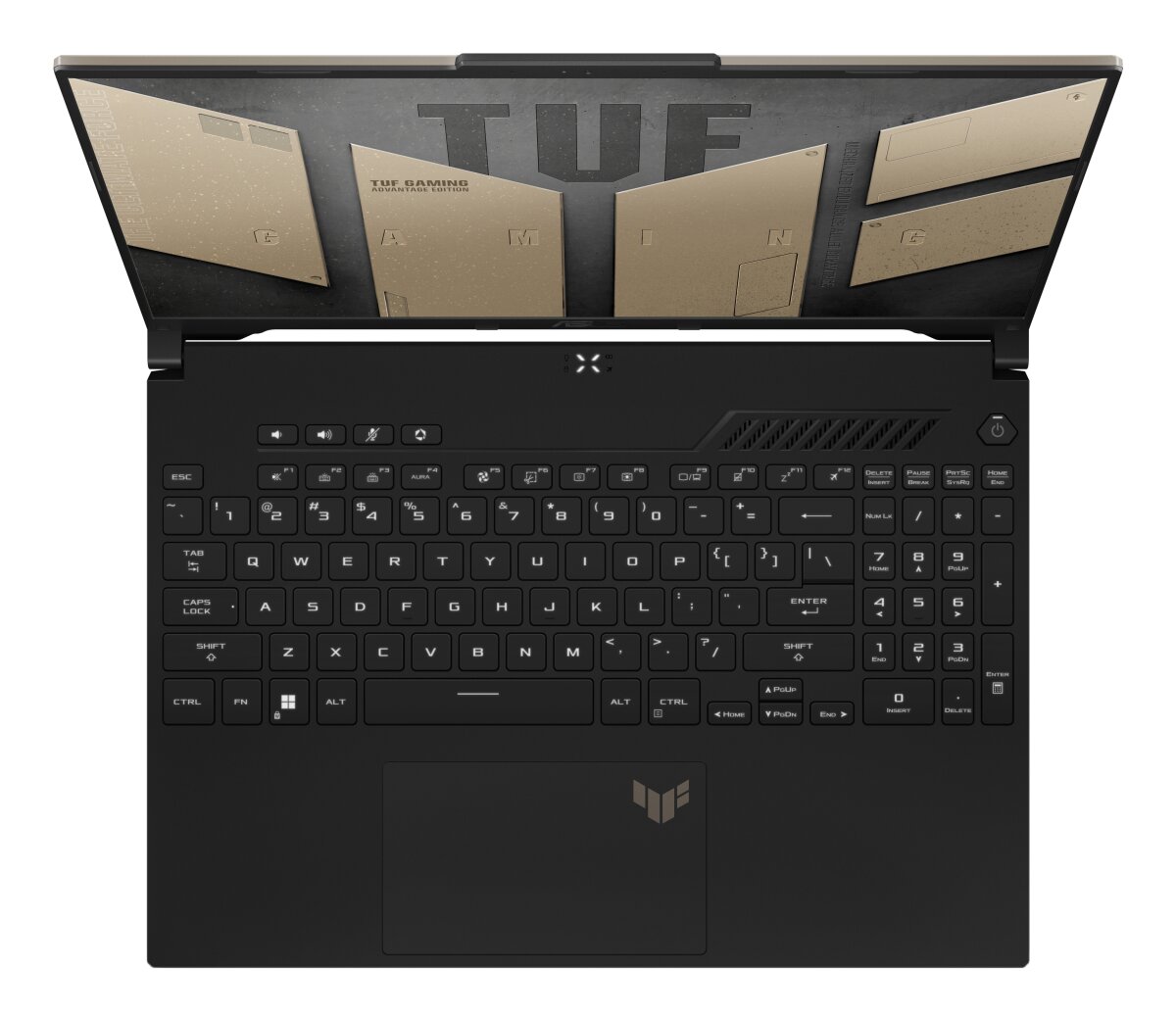

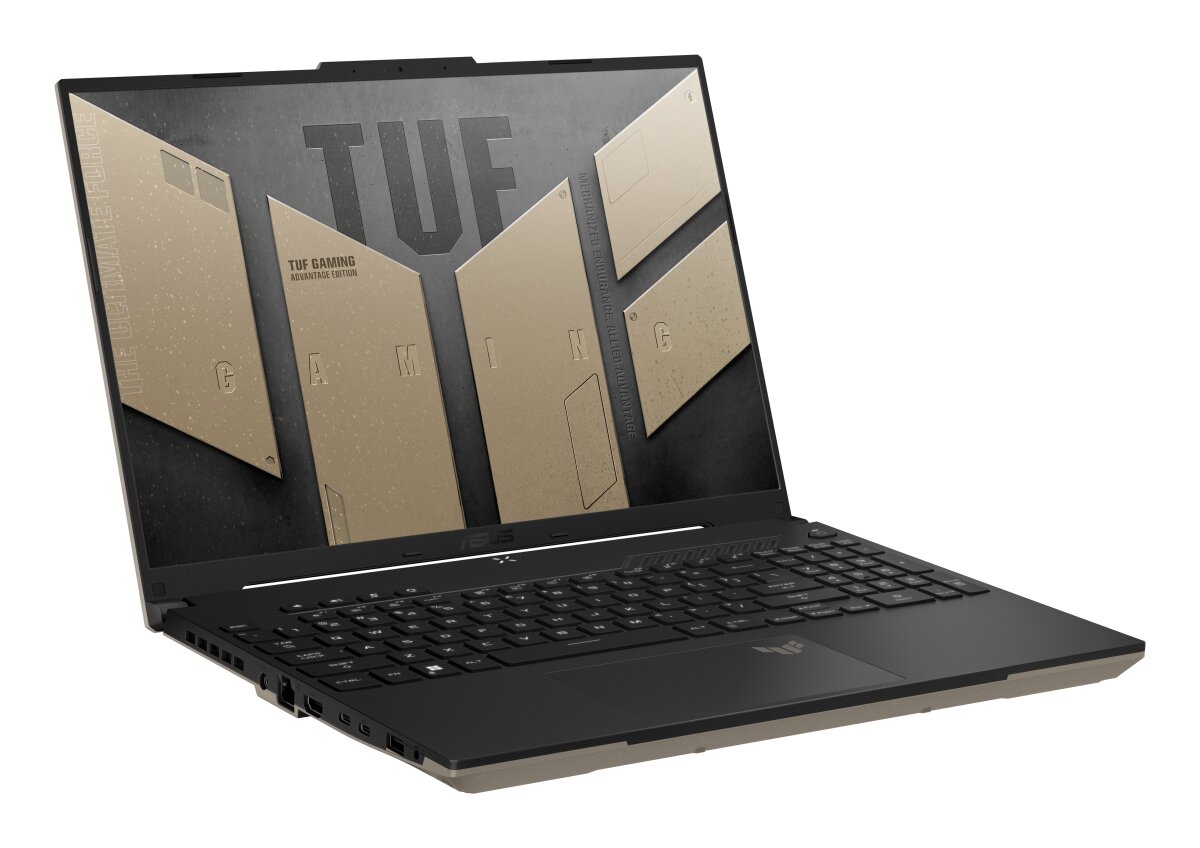
ASUS TUF Gaming A16 Advantage Edition FA617NSR-N3056-GAMING laptop features DDR5-SDRAM memory upgrade specifications with two SO-DIMM slots supporting maximum capacity of 32 GB. Compatible RAM modules operate at 4800 MHz frequency. Upgrade specifications indicate DDR5 SO-DIMM form factor compatibility for memory expansion and configuration optimization on this gaming laptop model.
Memory Upgrade Specifications
| Specification | Value |
|---|---|
| Memory slots | 2x SO-DIMM |
| Form factor | SO-DIMM |
| Memory type | DDR5-SDRAM |
| Frequency | 4800 MHz |
| Maximum RAM | 32 GB |
| Voltage | 1.1V |
| Number of pins | 262-pin |
| Interface | PC5 |
| PC Speed Rating | PC5-4800 (PC5-38400) |
| Bandwidth | 38.4 GB/s |
Additional Notes
- The 32 GB maximum capacity limitation stems from the laptop's chipset or BIOS restrictions, preventing installation of higher-density modules even if physically compatible DDR5 SO-DIMMs become available.
- DDR5-4800 represents JEDEC baseline specification, meaning the memory controller likely supports higher speeds through XMP/EXPO profiles if enabled in BIOS and matched with certified modules.
- Dual SO-DIMM configuration enables dual-channel operation, which doubles memory bandwidth compared to single-channel setups and proves critical for integrated graphics performance in gaming workloads.
- Populating both slots with asymmetric capacities (8 GB plus 16 GB, for example) may force the system into flex mode, where only the matched portion operates in dual-channel while excess capacity runs in slower single-channel mode.
- Soldered memory configurations are absent, allowing complete user replacement of both modules without voiding warranties that typically restrict only board-level component modifications.
- DDR5 voltage regulation occurs on the module itself rather than the motherboard, meaning incompatible modules may fail POST without providing clear error codes or visual feedback.
- The ASUS TUF Gaming FA617NSR-N3056-GAMING requires modules adhering to JEDEC height specifications under 30mm to avoid physical interference with the keyboard assembly or cooling apparatus during installation.
- Mixing modules with different CAS latencies forces the memory controller to adopt the slowest timing profile across both channels, potentially negating speed advantages of premium modules.
- Non-ECC unbuffered modules represent the only compatible type, as SO-DIMM form factor and consumer chipsets categorically reject registered or error-correcting variants.
- Memory training sequences during initial boot after upgrades may extend POST time to several minutes, which represents normal behavior rather than installation failure.