ASUS TUF Gaming FA608PP-QT033W RAM upgrade specifications


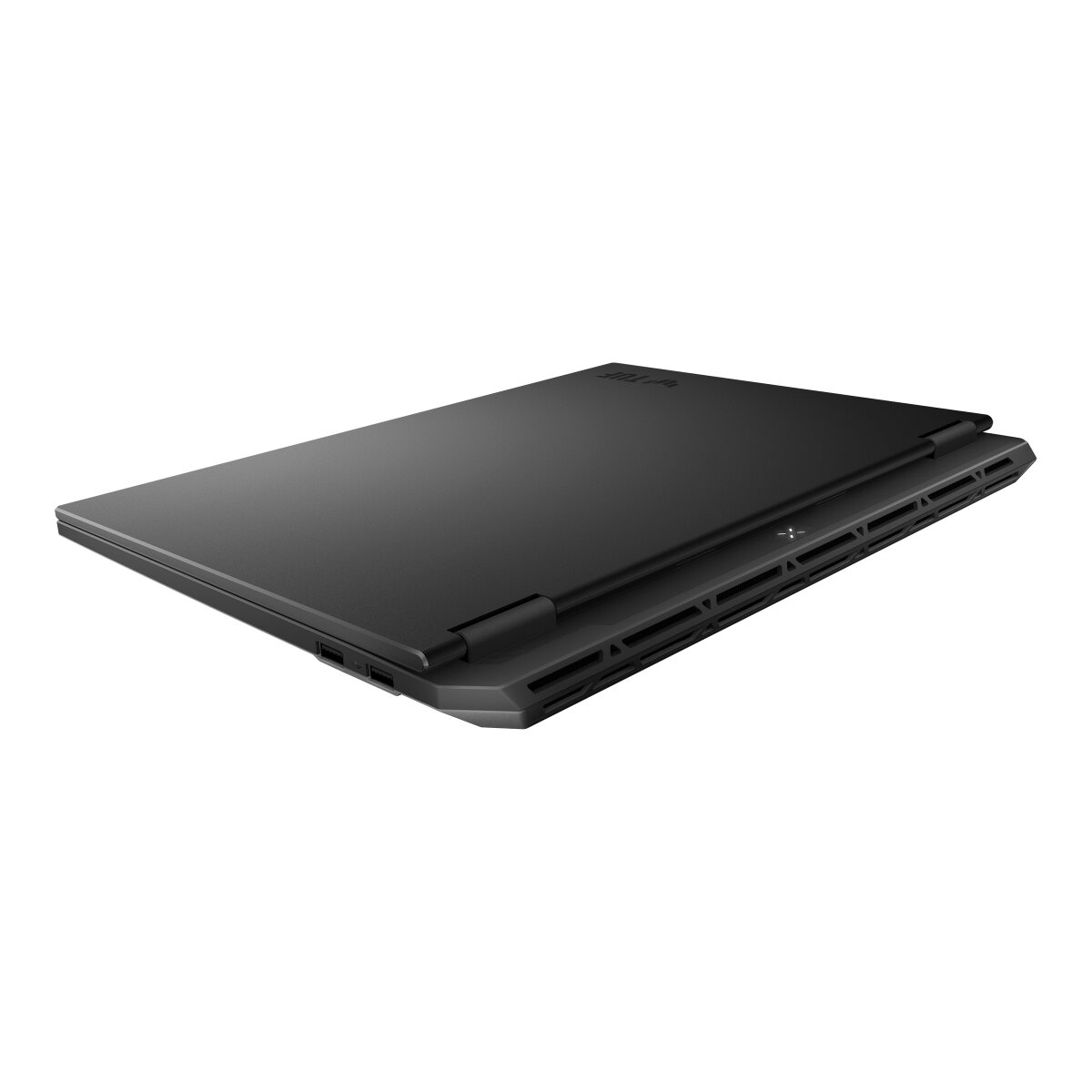
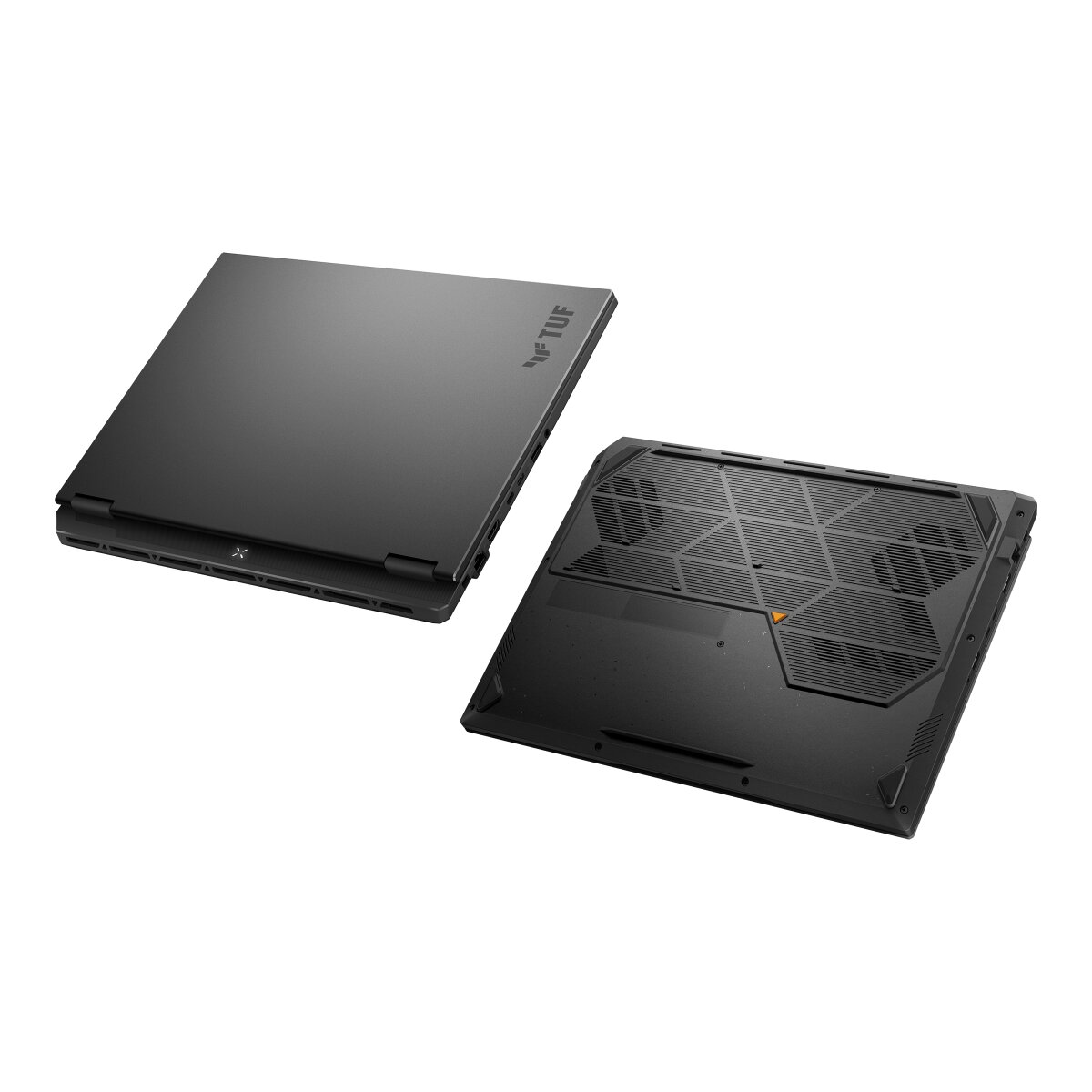

ASUS TUF Gaming A16 FA608PP-QT033W laptop features DDR5-SDRAM memory upgrades supported across 2x SO-DIMM slots. Maximum RAM capacity reaches 64 GB, with memory operating at 5200 MHz frequency. Compatible DDR5 SO-DIMM modules enable memory expansion on this gaming laptop model. Specifications indicate dual-channel memory configuration allowing strategic RAM upgrades for enhanced multitasking and performance capabilities.
Memory Upgrade Specifications
| Specification | Value |
|---|---|
| Memory slots | 2x SO-DIMM |
| Form factor | SO-DIMM |
| Memory type | DDR5-SDRAM |
| Frequency | 5200 MHz |
| Maximum RAM | 64 GB |
| Voltage | 1.1V |
| Number of pins | 262-pin |
| Interface | PC5 |
| PC Speed Rating | PC5-5200 (PC5-41600) |
| Bandwidth | 41.6 GB/s |
Additional Notes
- The presence of two SO-DIMM slots in the ASUS TUF Gaming FA608PP-QT033W enables dual-channel memory architecture which significantly increases memory bandwidth for CPU-intensive tasks compared to single-channel configurations.
- The 64 GB maximum threshold necessitates the use of high-density 32 GB modules in each slot to reach peak capacity for virtualization or professional video editing workflows.
- Upgrading memory requires matching the 5200 MHz frequency to avoid system stability issues or BIOS-level clock speed down-throttling.
- User-replaceable modules allow for hardware maintenance and capacity increases without violating standard warranty terms provided no physical damage occurs during the installation process.
- The DDR5 standard utilizes on-die ECC and integrated power management circuits which improve data integrity and energy efficiency over older DDR4 generations.
- Physical installation is limited to the small outline form factor specifically designed for notebook chassis constraints which prevents the use of desktop-sized DIMM hardware.
- Achieving the rated 5200 MHz transfer rate depends on compatible processor memory controllers and may require specific BIOS profiles to maintain latency timings.