ASUS TUF Gaming FA608PM-RV024 RAM upgrade specifications


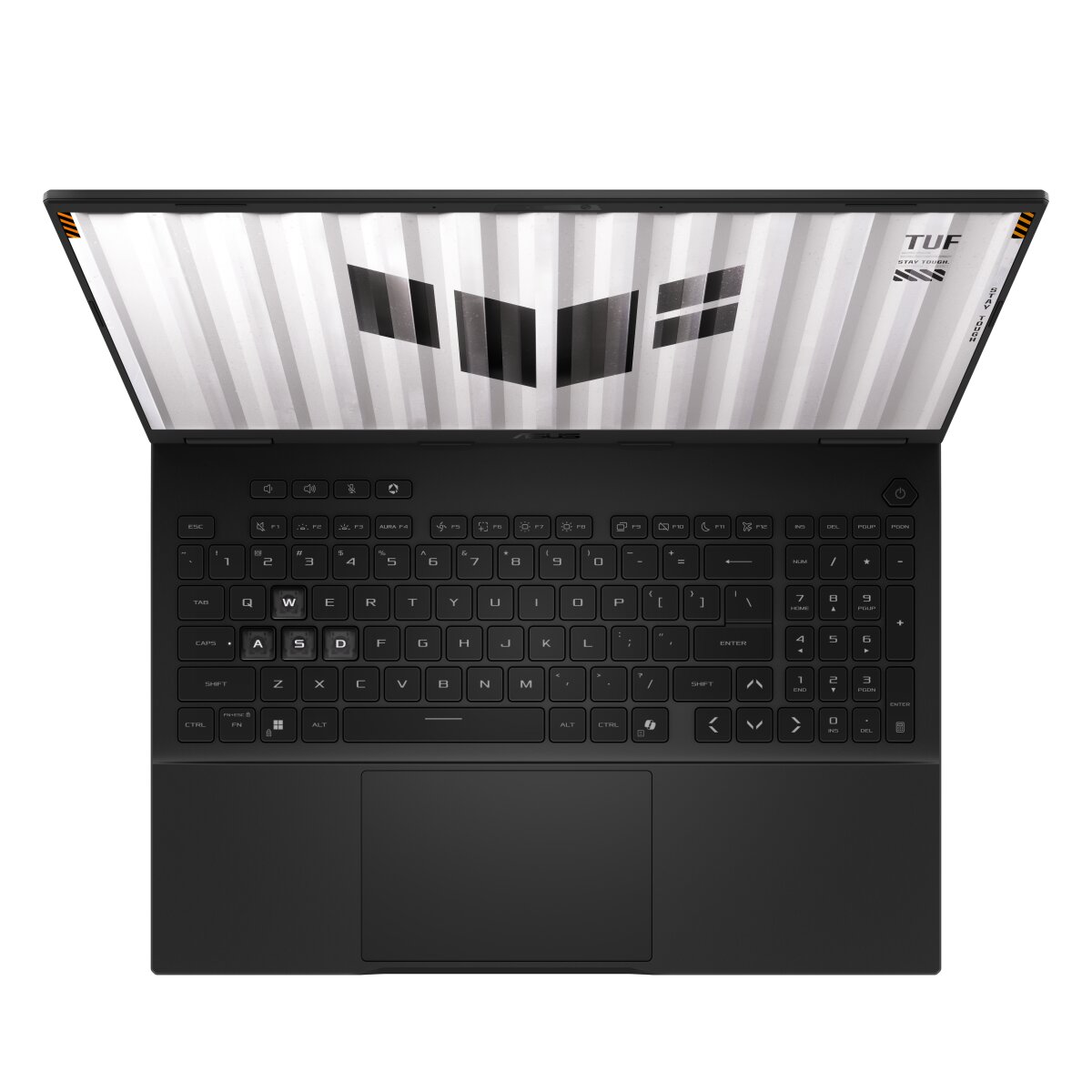
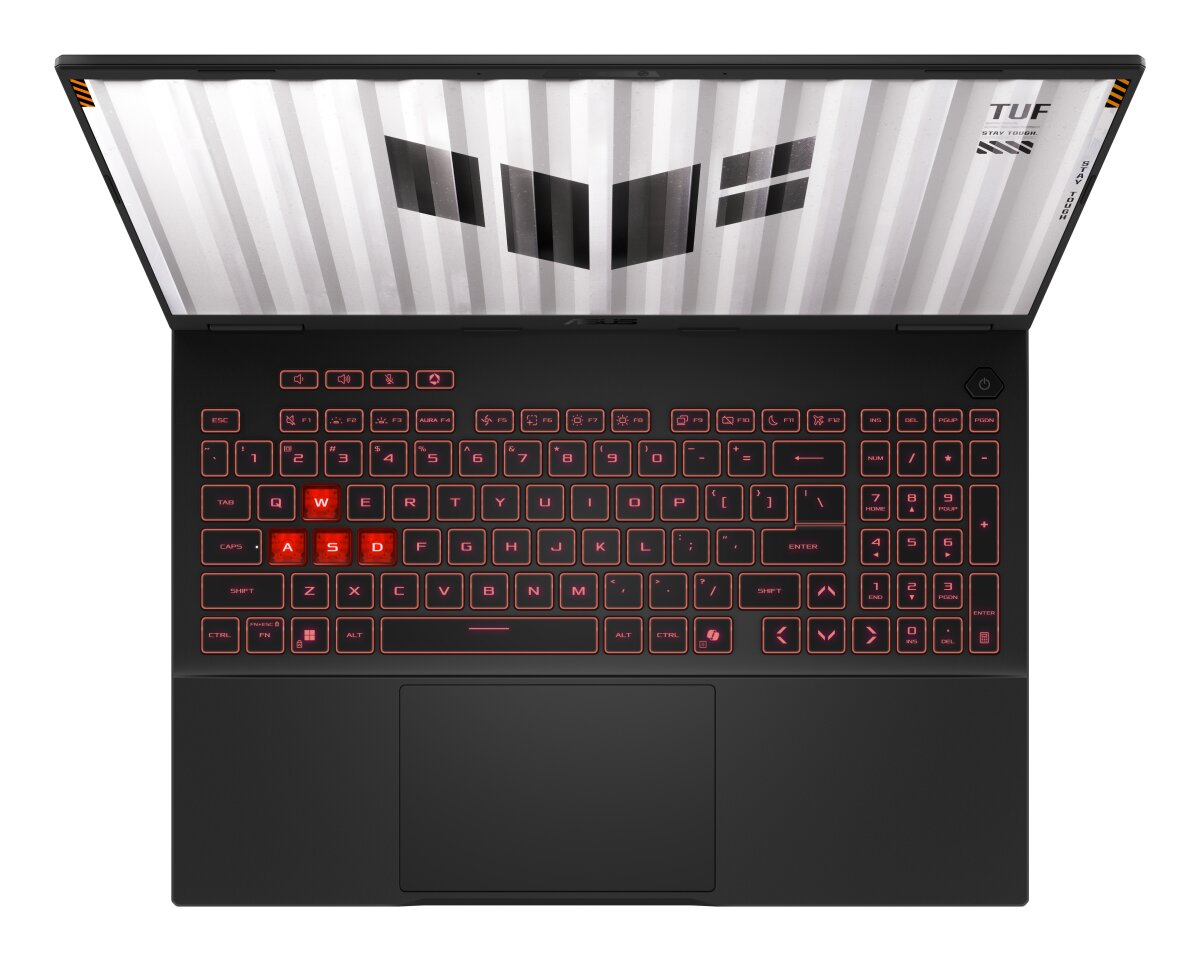

ASUS TUF Gaming A16 FA608PM-RV024 laptop features two SO-DIMM slots supporting DDR5-SDRAM memory upgrades. Maximum RAM capacity reaches 64 GB total, with compatible memory operating at 5600 MHz frequency. Specifications indicate dual-slot configuration enabling memory expansion through DDR5 modules, providing upgrade flexibility for enhanced multitasking performance and application demands on the TUF Gaming platform.
Memory Upgrade Specifications
| Specification | Value |
|---|---|
| Memory slots | 2x SO-DIMM |
| Form factor | SO-DIMM |
| Memory type | DDR5-SDRAM |
| Frequency | 5600 MHz |
| Maximum RAM | 64 GB |
| Voltage | 1.1V |
| Number of pins | 262-pin |
| Interface | PC5 |
| PC Speed Rating | PC5-5600 (PC5-44800) |
| Bandwidth | 44.8 GB/s |
Additional Notes
- The ASUS TUF Gaming FA608PM-RV024 enforces a 32 GB per slot ceiling, restricting module selection to densities available in the current DDR5 SO-DIMM market.
- DDR5-5600 represents JEDEC standard timing, ensuring broad compatibility but leaving potential bandwidth on the table if the memory controller supports higher JEDEC or XMP profiles.
- Installing mismatched modules across the 2 slots may trigger asymmetric dual-channel operation, reducing effective bandwidth compared to an identical pair.
- The SO-DIMM form factor limits thermal headroom compared to standard DIMMs, which may throttle performance during sustained memory-intensive workloads.
- DDR5 operates at 1.1 V baseline, consuming less power per module than DDR4, which benefits battery life during mobile use.
- Upgrading beyond factory-installed capacity typically preserves warranty coverage, provided modules meet JEDEC specifications and installation causes no physical damage.
- The 5600 MHz frequency corresponds to a peak theoretical bandwidth of 44.8 GB/s per channel, though real-world throughput depends on memory timings not listed in the base specification.
- DDR5's on-die ECC operates independently of system-level ECC, correcting single-bit errors transparently without requiring specialized unbuffered or registered modules.
- Mixing DDR5 modules with different frequencies forces the memory controller to downclock all modules to the lowest common speed, negating any advantage of faster-rated sticks.
- The 2-slot configuration prohibits quad-rank setups with standard single-rank or dual-rank modules, capping interleaving benefits regardless of total capacity.