ASUS TUF Gaming FA607PV-RL129W RAM upgrade specifications

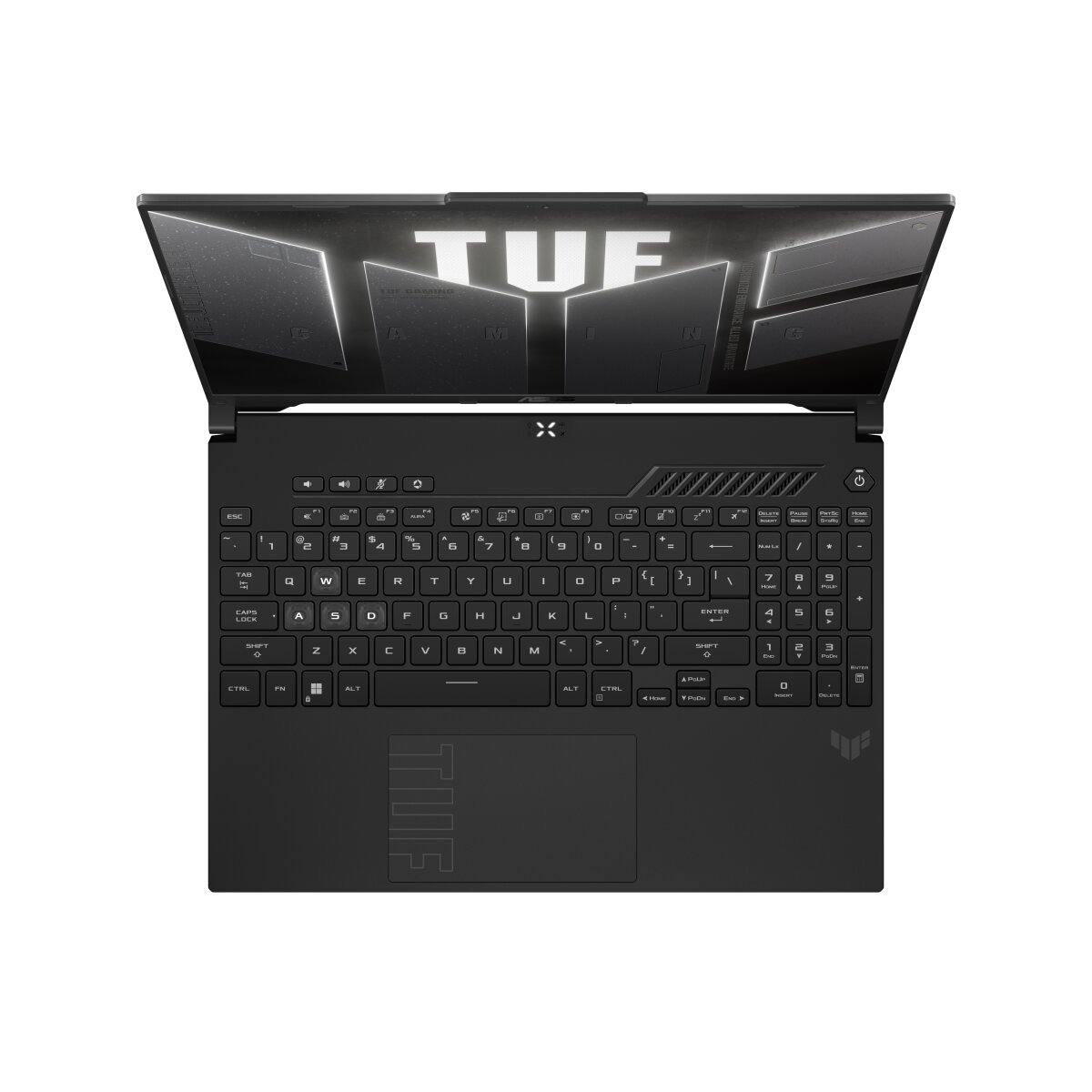
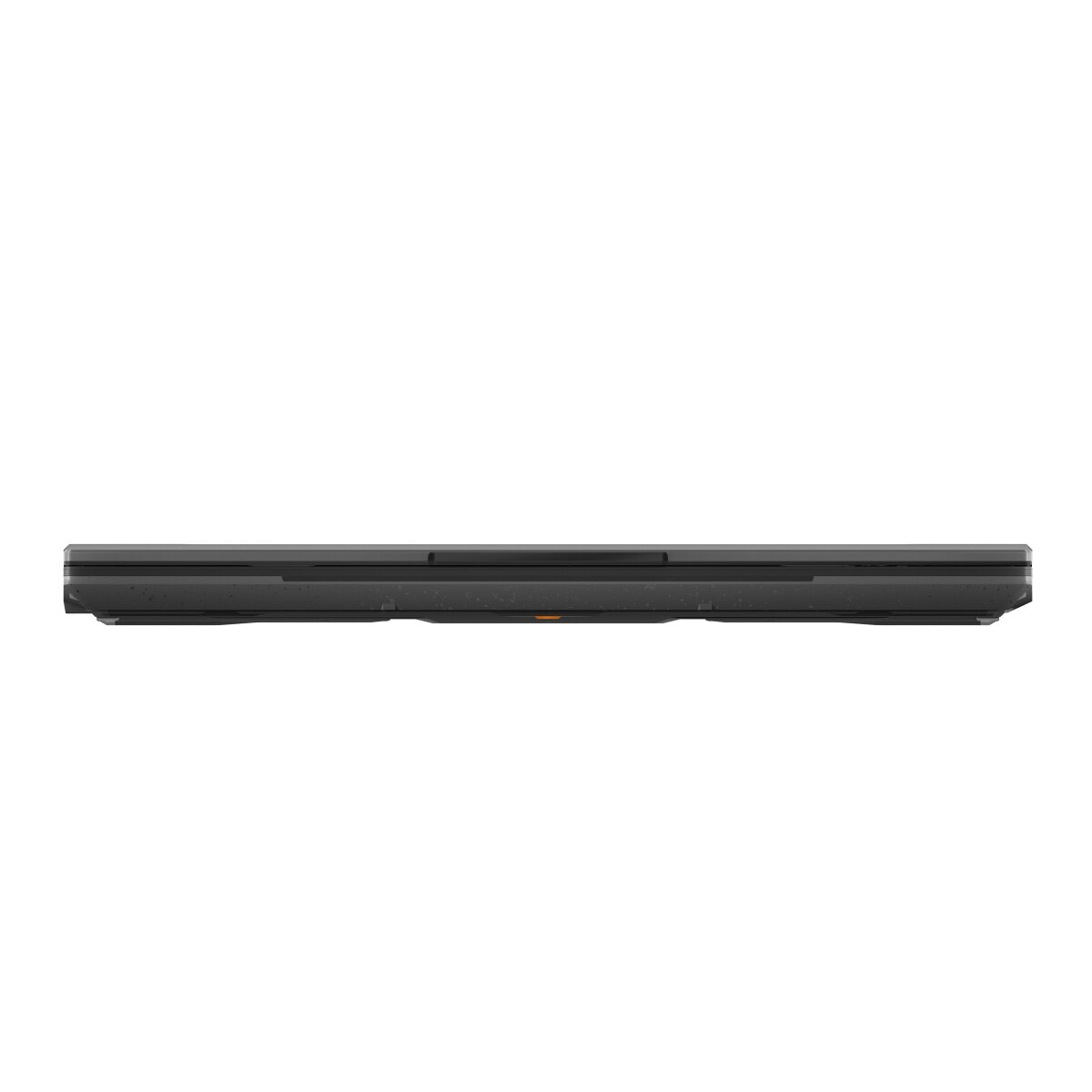
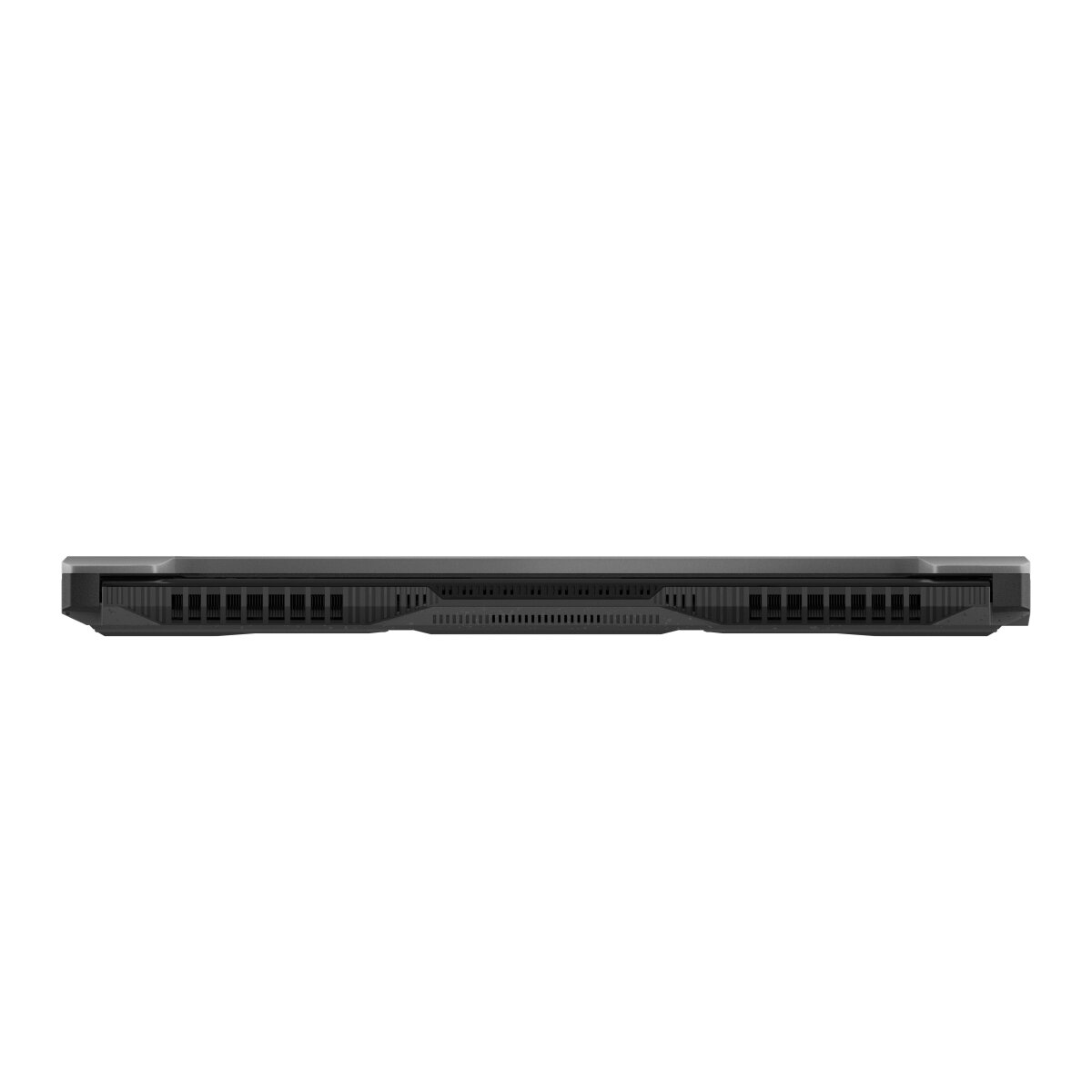
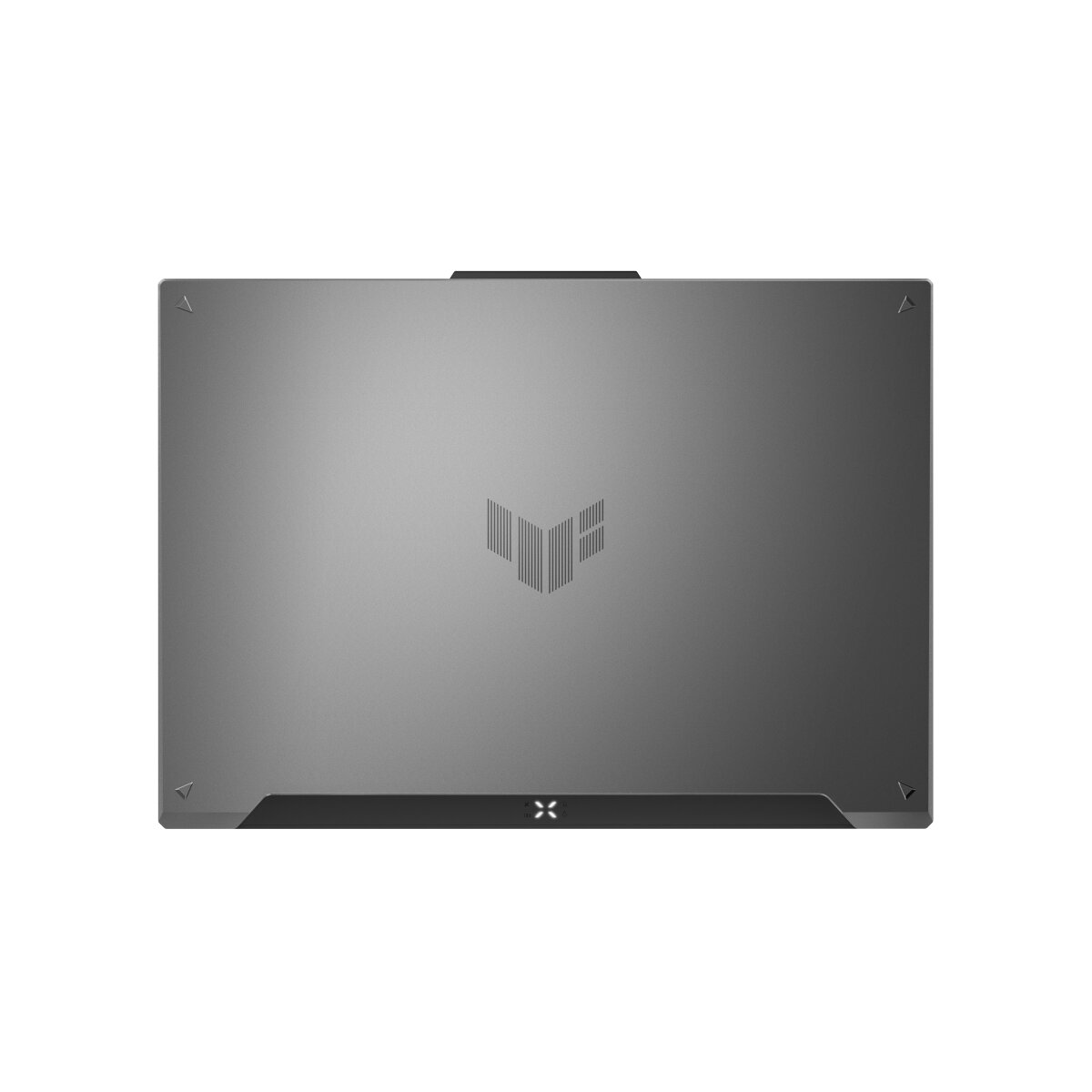
The ASUS TUF Gaming A16 FA607PV-RL129W features DDR5-SDRAM memory upgradeable through two SO-DIMM slots. Specifications indicate maximum compatible RAM capacity of 64 GB total, supporting memory modules rated for 5200 MHz frequency. Upgrade slots accommodate standard SO-DIMM form factor components. DDR5 memory specifications represent the compatible upgrade parameters for this laptop model.
Memory Upgrade Specifications
| Specification | Value |
|---|---|
| Memory slots | 2x SO-DIMM |
| Form factor | SO-DIMM |
| Memory type | DDR5-SDRAM |
| Frequency | 5200 MHz |
| Maximum RAM | 64 GB |
| Voltage | 1.1V |
| Number of pins | 262-pin |
| Interface | PC5 |
| PC Speed Rating | PC5-5200 (PC5-41600) |
| Bandwidth | 41.6 GB/s |
Additional Notes
- The ASUS TUF Gaming FA607PV-RL129W supports DDR5 modules exclusively, preventing the use of any DDR4 memory despite physical SO-DIMM compatibility.
- DDR5-5200 represents the JEDEC standard speed for this generation, with higher frequency modules automatically downclocking to this native speed unless XMP/EXPO profiles are supported by the chipset.
- The 64 GB maximum capacity requires 2x32 GB modules in dual-channel configuration, as single 64 GB SO-DIMM modules do not exist in the DDR5 consumer market.
- Both memory slots must remain populated to maintain dual-channel bandwidth, as removing one module halves the effective memory throughput to 41.6 GB/s per channel.
- DDR5 SO-DIMM modules operate with on-die ECC correction independent of system support, providing baseline data integrity without requiring specific BIOS configuration.
- Mixing different capacity modules between slots forces the system into flex mode or asymmetric dual-channel operation, reducing performance predictability under specific memory access patterns.
- The SO-DIMM form factor requires modules with a 262-pin interface and voltage regulation at the module level rather than motherboard-level, distinguishing DDR5 from previous generations.
- Memory replacement typically preserves manufacturer warranty status as RAM qualifies as a customer-replaceable unit in most gaming laptop series, though verification of specific warranty terms remains advisable.
- The 5200 MHz frequency provides a 67% bandwidth increase over DDR4-3200, benefiting workloads with high memory parallelism such as video encoding and computational rendering.
- Installing non-standard voltage modules risks compatibility issues, as DDR5 SO-DIMM operates at 1.1V nominal compared to DDR4's 1.2V standard.