ASUS TUF Gaming FA607PV-N3034W RAM upgrade specifications



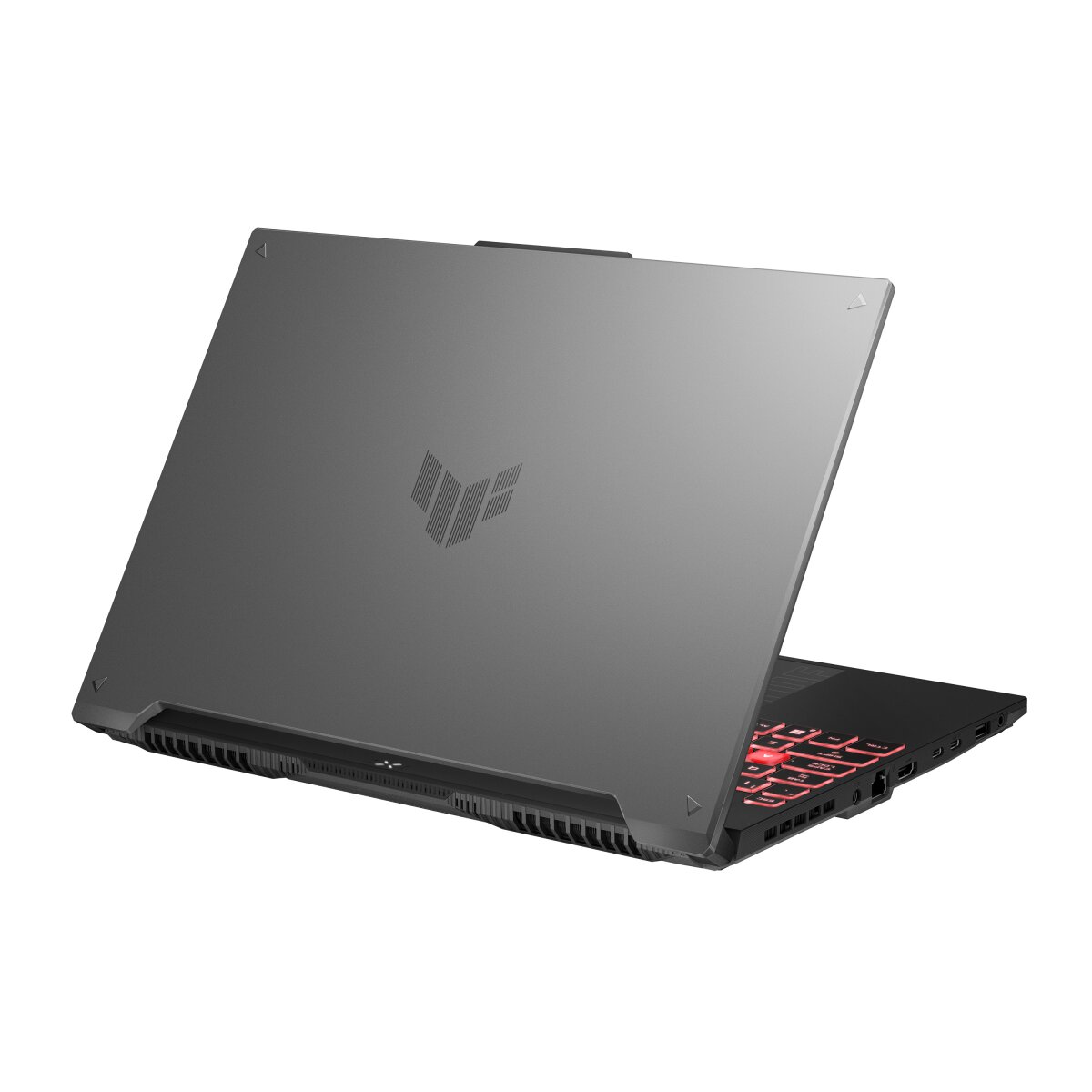
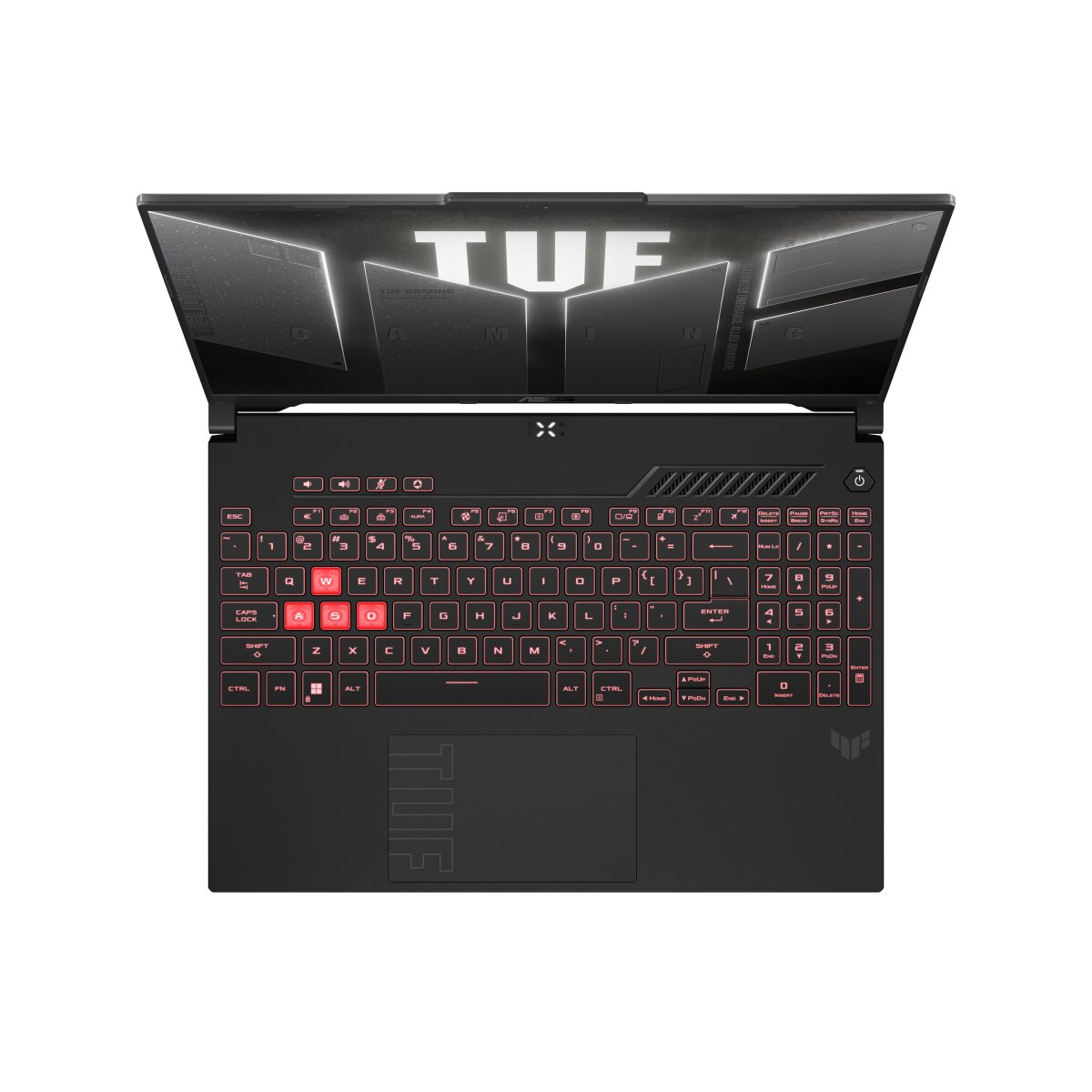
ASUS TUF Gaming A16 FA607PV-N3034W laptop features DDR5-SDRAM memory upgrade capability through two SO-DIMM slots. The system supports maximum RAM capacity of 32 GB total, with DDR5 modules operating at 5200 MHz frequency. Compatible memory upgrades must utilize SO-DIMM form factor specifications for proper installation in available slots. Specifications indicate DDR5-SDRAM compatibility for enhanced performance on this gaming laptop model.
Memory Upgrade Specifications
| Specification | Value |
|---|---|
| Memory slots | 2x SO-DIMM |
| Form factor | SO-DIMM |
| Memory type | DDR5-SDRAM |
| Frequency | 5200 MHz |
| Maximum RAM | 32 GB |
| Voltage | 1.1V |
| Number of pins | 262-pin |
| Interface | PC5 |
| PC Speed Rating | PC5-5200 (PC5-41600) |
| Bandwidth | 41.6 GB/s |
Additional Notes
- The ASUS TUF Gaming FA607PV-N3034W's 32 GB ceiling reflects a controller limitation rather than physical slot capacity, as modern DDR5 SO-DIMMs exist in 48 GB capacities that exceed this threshold.
- DDR5-5200 represents JEDEC baseline specification, meaning modules rated for higher speeds will operate at this frequency unless the chipset permits XMP/EXPO profile activation.
- Dual SO-DIMM configuration enables dual-channel operation, which DDR5 architectures leverage through independent 32-bit channels per module for 128-bit total bandwidth.
- Voltage compatibility requires attention to DDR5's standard 1.1V specification, as DDR4 modules operate at incompatible voltages and will physically fit but damage the memory controller.
- Consumer DDR5 SO-DIMMs use 262-pin connectors with keying that prevents backward compatibility with DDR4's 260-pin layout despite identical physical dimensions.
- Native 5200 MT/s transfer rate delivers 41.6 GB/s theoretical bandwidth per channel, though real-world performance depends on CAS latency timings not specified in base frequency alone.
- SO-DIMM height variations exist between standard and low-profile variants, though gaming chassis typically accommodate full-height modules without thermal clearance issues.
- Memory controller architecture on modern platforms may support asymmetric configurations, but identical capacity and speed across both slots ensures optimal interleaving and latency.
- ECC SO-DIMMs physically install but remain non-functional in consumer platforms lacking firmware support for error correction mechanisms.
- Warranty preservation typically requires factory-sealed module installation, as technician-accessible SO-DIMM slots distinguish user-replaceable components from soldered configurations.