ASUS TUF Gaming FA607PV-RL124W RAM upgrade specifications
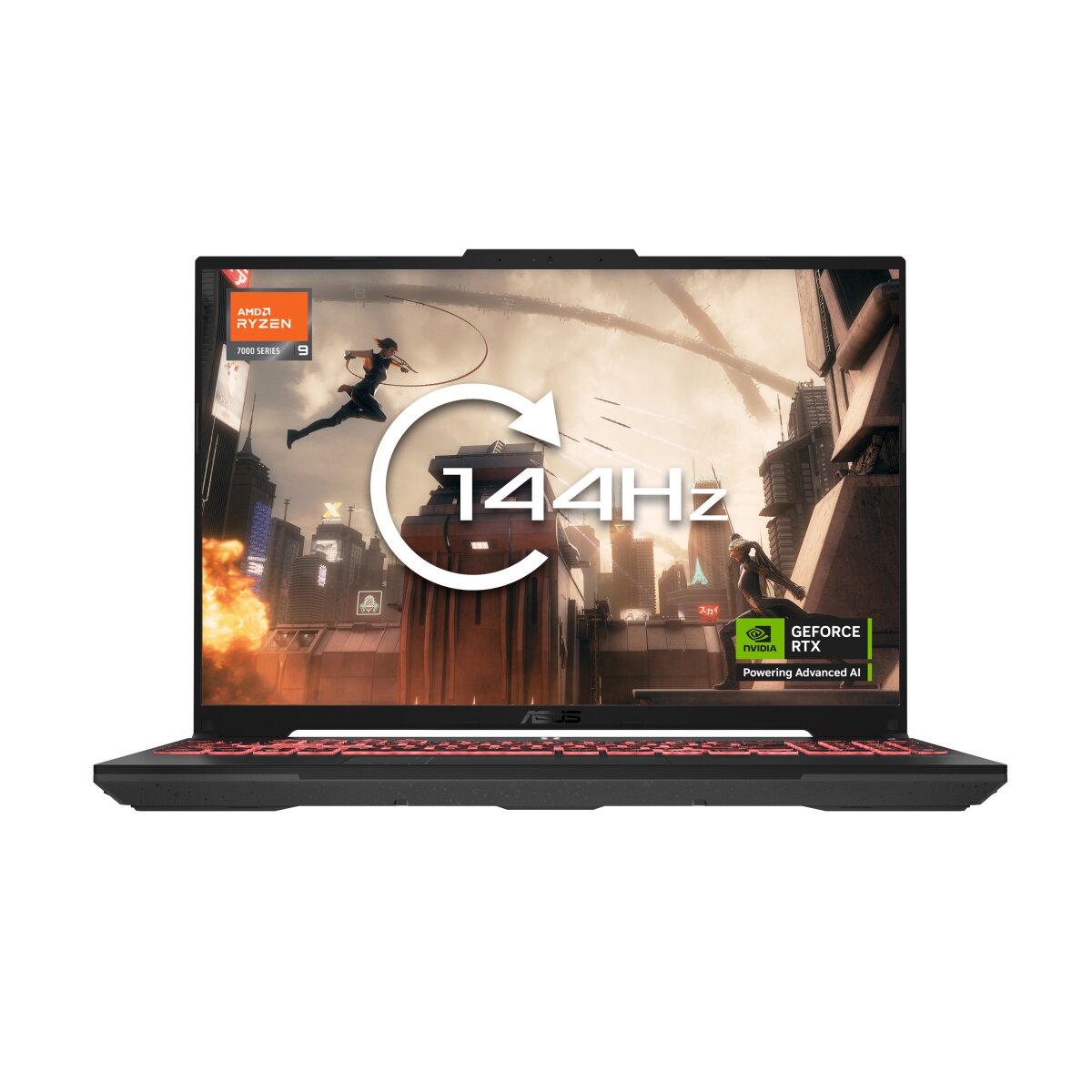
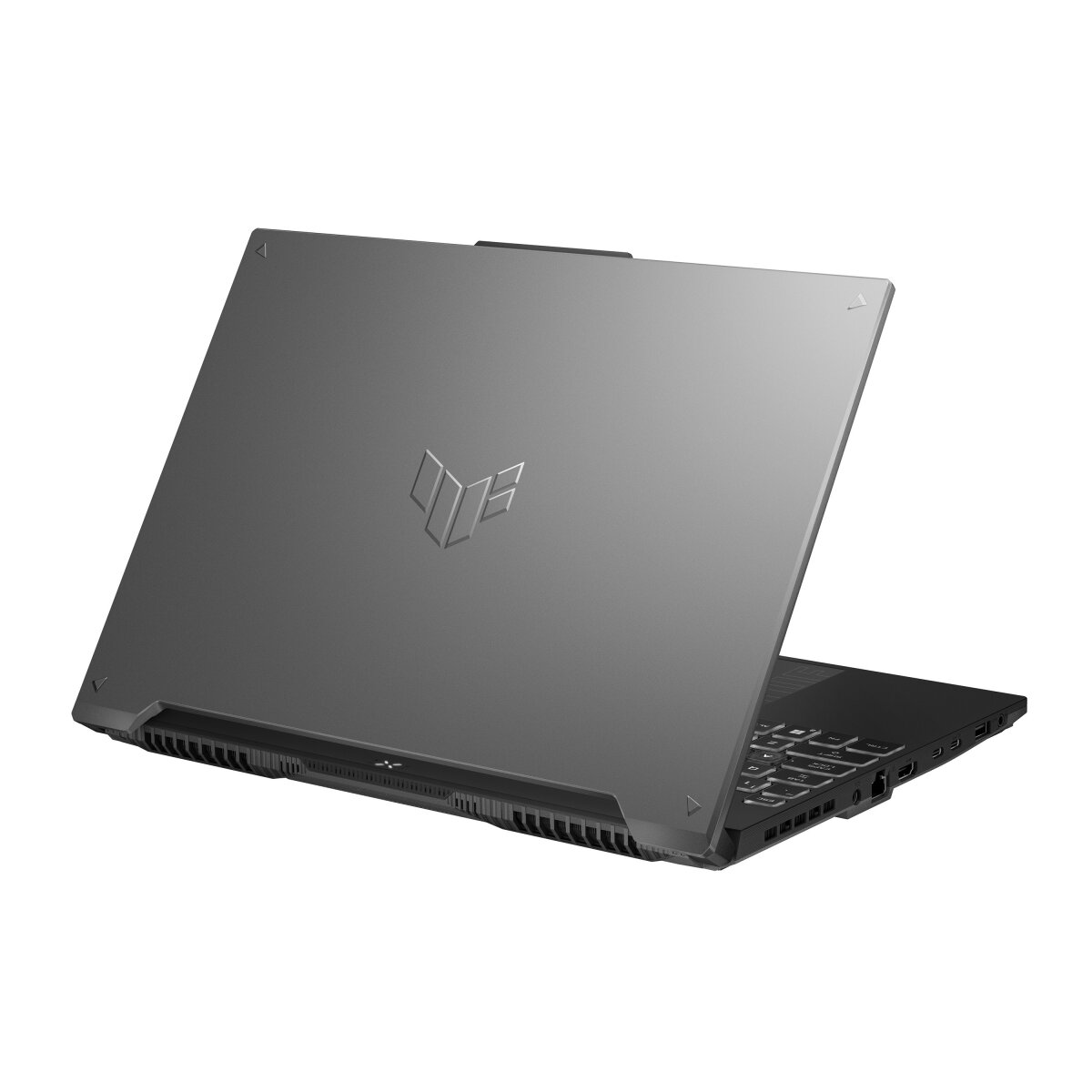

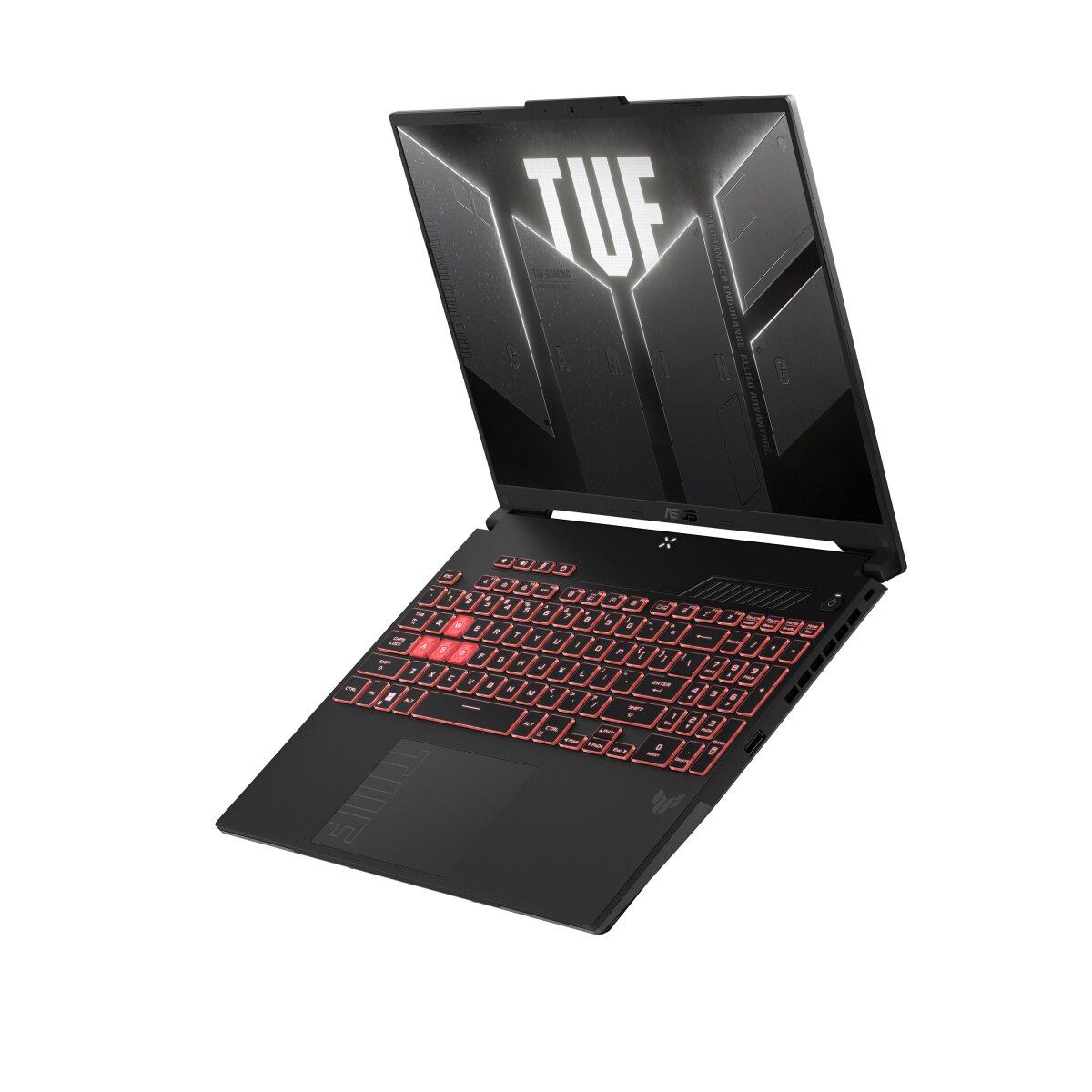
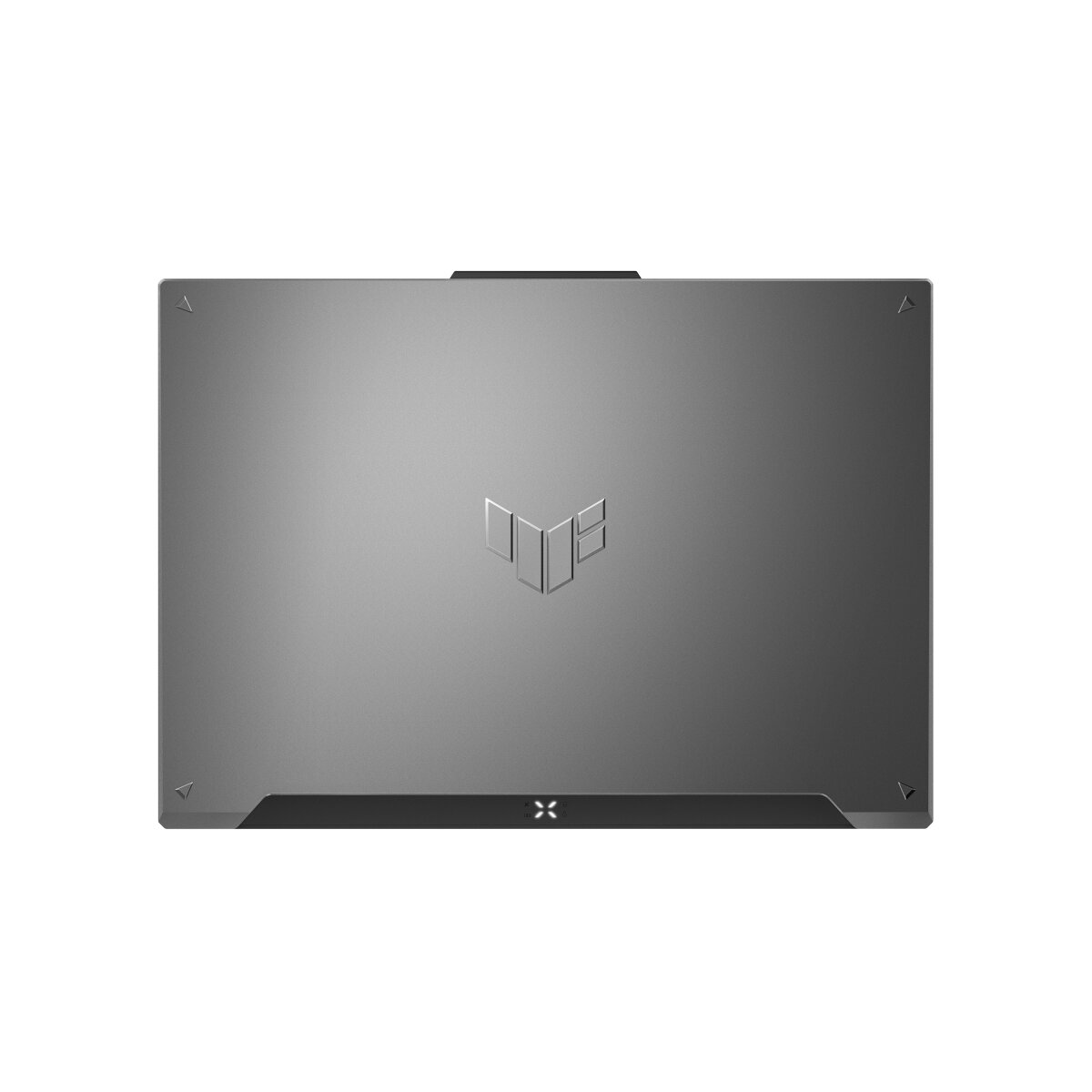
ASUS TUF Gaming A16 FA607PV-RL124W laptop upgrade specifications detail DDR5-SDRAM memory compatibility. The system contains two SO-DIMM slots supporting maximum RAM capacity of 64 GB. Compatible memory modules operate at 5200 MHz frequency. Upgrade specifications indicate DDR5 SO-DIMM form factor modules are required for memory expansion on this gaming laptop model.
Memory Upgrade Specifications
| Specification | Value |
|---|---|
| Memory slots | 2x SO-DIMM |
| Form factor | SO-DIMM |
| Memory type | DDR5-SDRAM |
| Frequency | 5200 MHz |
| Maximum RAM | 64 GB |
| Voltage | 1.1V |
| Number of pins | 262-pin |
| Interface | PC5 |
| PC Speed Rating | PC5-5200 (PC5-41600) |
| Bandwidth | 41.6 GB/s |
Additional Notes
- Dual channel architecture requires matching module capacities in both slots to ensure peak memory bandwidth for the ASUS TUF Gaming FA607PV-RL124W system.
- The presence of 2 physical SO-DIMM slots implies that reaching maximum memory capacity necessitates the removal of existing factory modules rather than adding to them.
- Installing modules with lower latency timings or higher clock speeds than 5200 MHz will result in automatic downclocking to the hardware predefined frequency limit set by the processor architecture.
- DDR5 technology utilizes on-die ECC and integrated power management circuits which increase thermal output compared to older standards and may require adequate airflow over the expansion area.
- System stability at 64 GB depends on using high density modules that are compatible with the specific voltage requirements of the voltage regulator modules on the motherboard.
- Internal access for memory replacement involves removing a bottom panel which might be secured by screws of varying lengths requiring careful organization during reassembly to avoid chassis damage.
- Total memory bandwidth constraints remain a primary factor for performance in integrated graphics tasks and large data processing workloads because of the lack of soldered memory buffers.