ASUS TUF Gaming FA607PV-N3011W RAM upgrade specifications


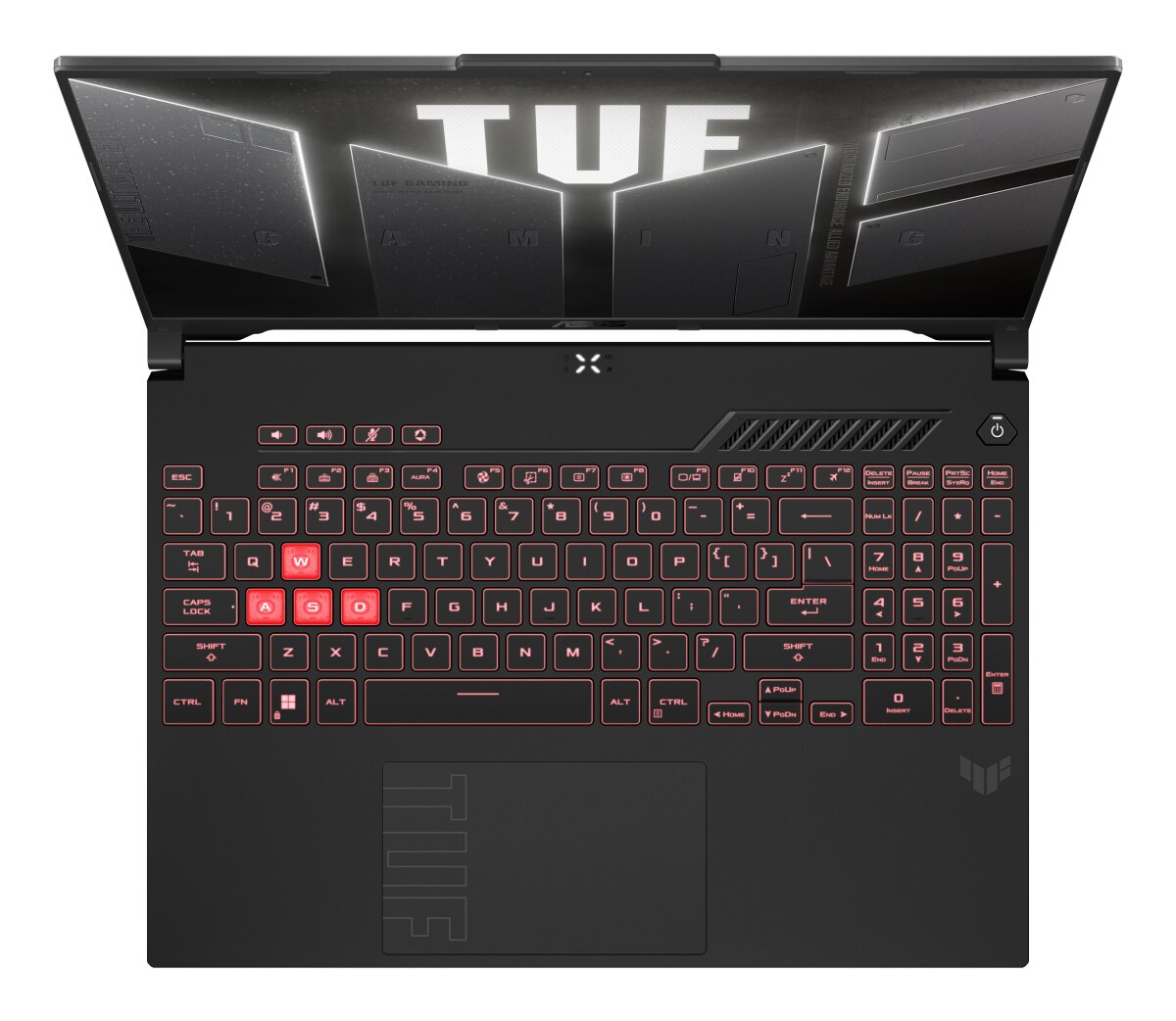


ASUS TUF Gaming A16 FA607PV-N3011W upgrade specifications feature DDR5-SDRAM memory with 2x SO-DIMM slots. Maximum RAM capacity reaches 32 GB total. Compatible memory operates at 5200 MHz frequency. SO-DIMM form factor specifications enable laptop memory upgrades for enhanced system performance. Dual-slot configuration allows modular memory expansion.
Memory Upgrade Specifications
| Specification | Value |
|---|---|
| Memory slots | 2x SO-DIMM |
| Form factor | SO-DIMM |
| Memory type | DDR5-SDRAM |
| Frequency | 5200 MHz |
| Maximum RAM | 32 GB |
| Voltage | 1.1V |
| Number of pins | 262-pin |
| Interface | PC5 |
| PC Speed Rating | PC5-5200 (PC5-41600) |
| Bandwidth | 41.6 GB/s |
Additional Notes
- The ASUS TUF Gaming FA607PV-N3011W accepts only SO-DIMM modules, excluding standard DIMM form factors used in desktop systems.
- DDR5-SDRAM requirement prevents backward compatibility with DDR4 modules due to different pin configurations and voltage specifications.
- The 32 GB ceiling indicates chipset-level memory controller limitations that cannot be exceeded through module substitution.
- Dual SO-DIMM configuration enables symmetric channel population for optimal bandwidth utilization when installing matched capacity pairs.
- Native 5200 MHz specification suggests platform support for JEDEC standard speeds without requiring XMP/EXPO profile activation.
- Installing modules rated below 5200 MHz will force the entire system to operate at the slower module's frequency due to synchronous operation requirements.
- Mixing modules with different timings or manufacturers may trigger automatic fallback to conservative JEDEC profiles, reducing effective performance.
- Access to SO-DIMM slots typically requires bottom panel removal, with potential warranty implications depending on regional service policies.
- Single-module configurations will operate in single-channel mode, halving theoretical memory bandwidth compared to dual-channel implementations.
- Power delivery considerations for DDR5 include on-module voltage regulation, distinguishing thermal characteristics from previous DDR4 implementations.