ASUS TUF Gaming FA607PI-RL113W RAM upgrade specifications

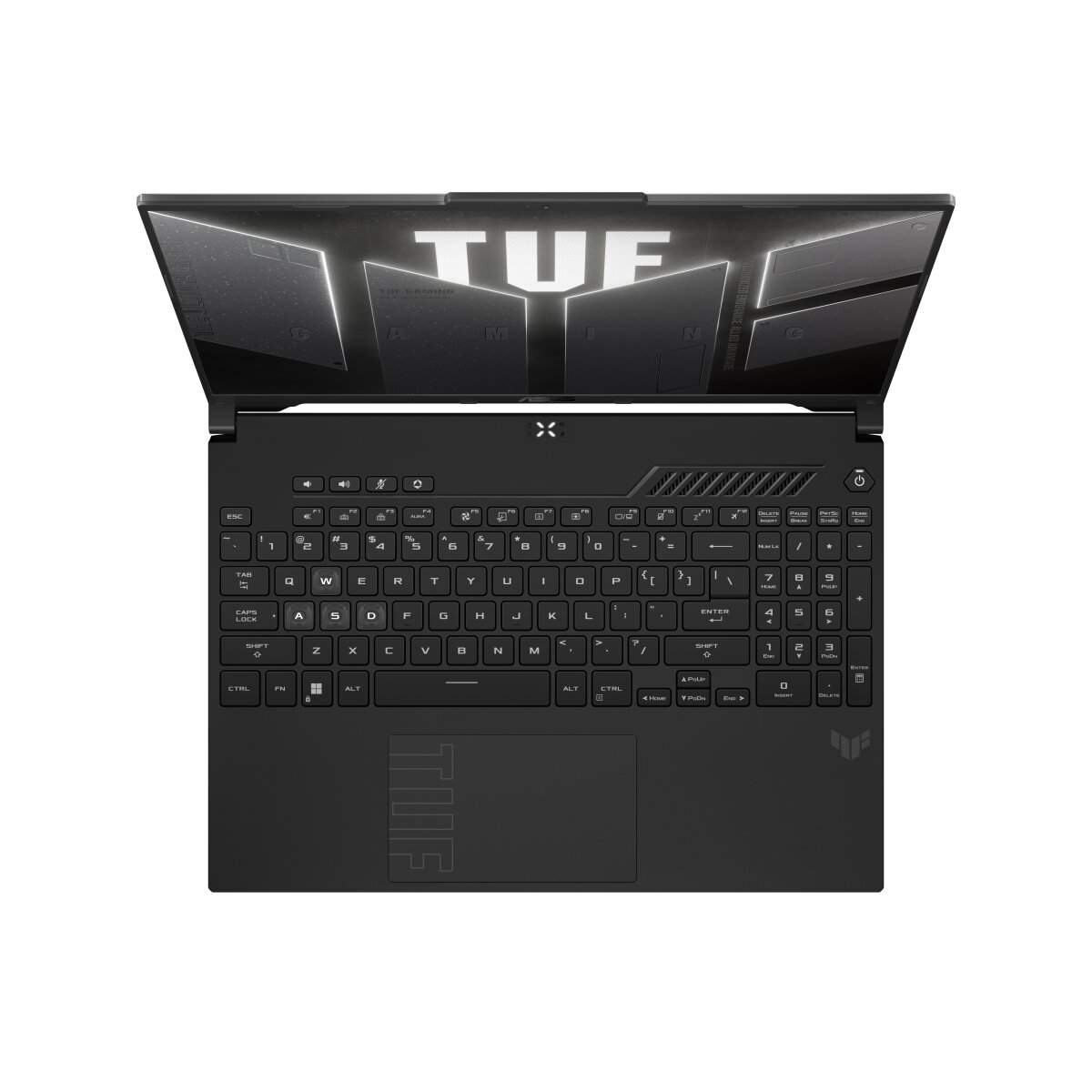
ASUS TUF Gaming A16 FA607PI-RL113W laptop features DDR5-SDRAM memory upgrade specifications with 2x SO-DIMM slots supporting maximum capacity of 64 GB. Compatible memory operates at 5200 MHz frequency with SO-DIMM form factor. Upgrade slots accommodate DDR5 modules for enhanced system performance. Specifications enable memory expansion from factory configuration to maximum 64 GB total capacity across both slots.
Memory Upgrade Specifications
| Specification | Value |
|---|---|
| Memory slots | 2x SO-DIMM |
| Form factor | SO-DIMM |
| Memory type | DDR5-SDRAM |
| Frequency | 5200 MHz |
| Maximum RAM | 64 GB |
| Voltage | 1.1V |
| Number of pins | 262-pin |
| Interface | PC5 |
| PC Speed Rating | PC5-5200 (PC5-41600) |
| Bandwidth | 41.6 GB/s |
Additional Notes
- The ASUS TUF Gaming FA607PI-RL113W accepts DDR5 SO-DIMM modules exclusively, rendering all DDR4 inventory incompatible due to physical notch placement differences and voltage requirements.
- The 5200 MHz frequency specification represents the supported base speed under JEDEC standards, though actual performance depends on CPU memory controller capabilities and BIOS implementation.
- Dual SO-DIMM configuration enables dual-channel memory operation, which doubles theoretical memory bandwidth compared to single-channel configurations when matched modules are installed.
- The 64 GB ceiling requires 2x 32 GB modules, as exceeding this capacity may trigger POST failures or cause the system to revert to lower recognized amounts.
- DDR5 SO-DIMM modules incorporate on-die ECC functionality independent of system ECC support, providing background error correction without user configuration.
- Mixing modules with different speeds forces all installed memory to operate at the lowest common frequency, potentially underutilizing faster module capabilities.
- Mixing different module capacities while maintaining dual-channel operation results in flex mode asymmetric configurations, where only the matched portion runs in dual-channel.
- DDR5 architecture implements per-module power management integrated circuits, eliminating dependency on motherboard voltage regulation for DRAM power delivery.
- SO-DIMM installation requires access to bottom panel retention mechanisms, with potential warranty seal interference depending on manufacturer assembly specifications.
- Thermal performance under sustained memory loads may vary from desktop DIMM equivalents due to SO-DIMM's reduced PCB surface area for heat dissipation.
- XMP or EXPO profile support depends on BIOS implementation, as gaming-oriented platforms may expose overclocking profiles while others enforce JEDEC specifications only.
- The transition from DDR4's 64-bit channel to DDR5's dual 32-bit subchannels per module alters burst access patterns and bank group interleaving behaviors.