ASUS TUF Gaming FA607PI-QT103W RAM upgrade specifications

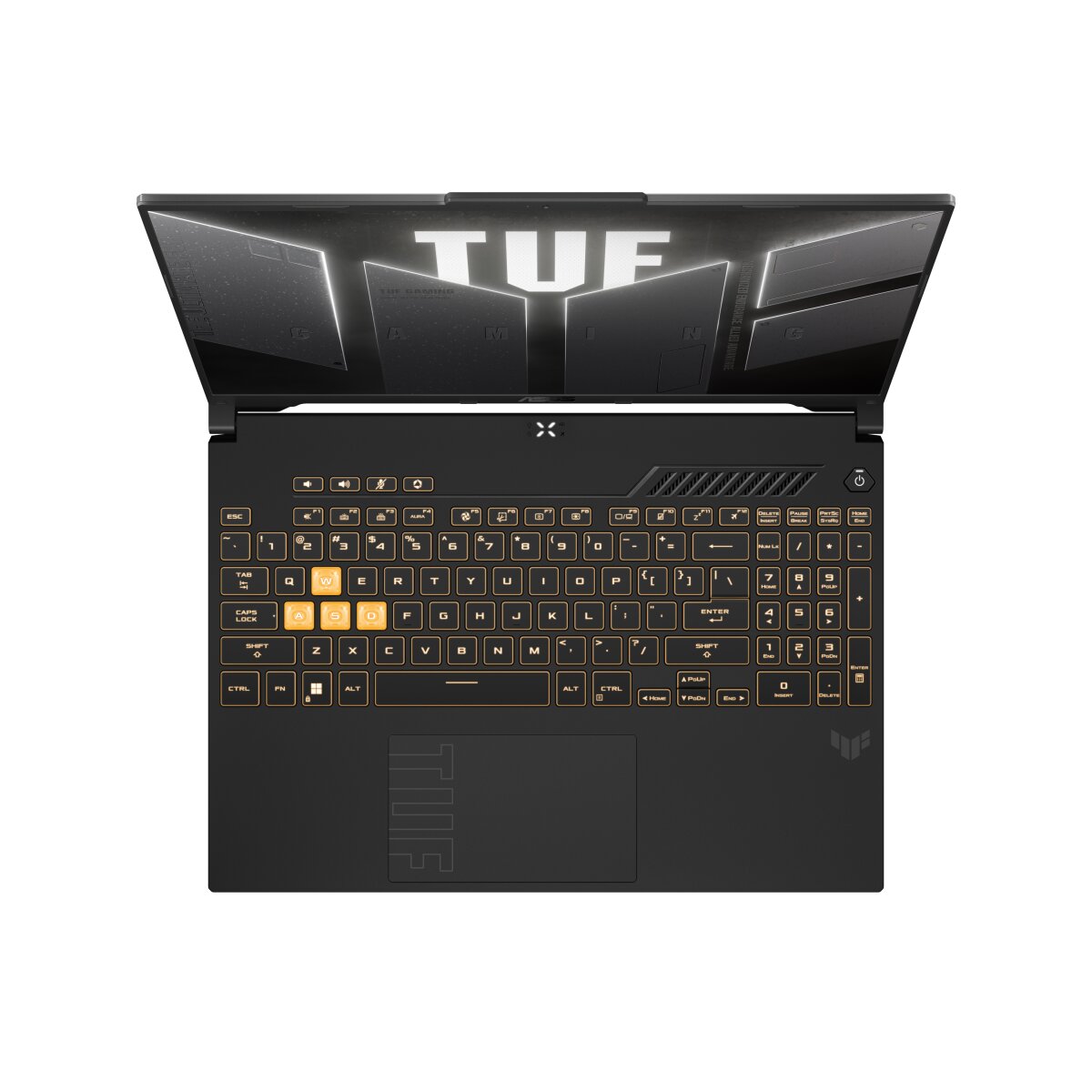

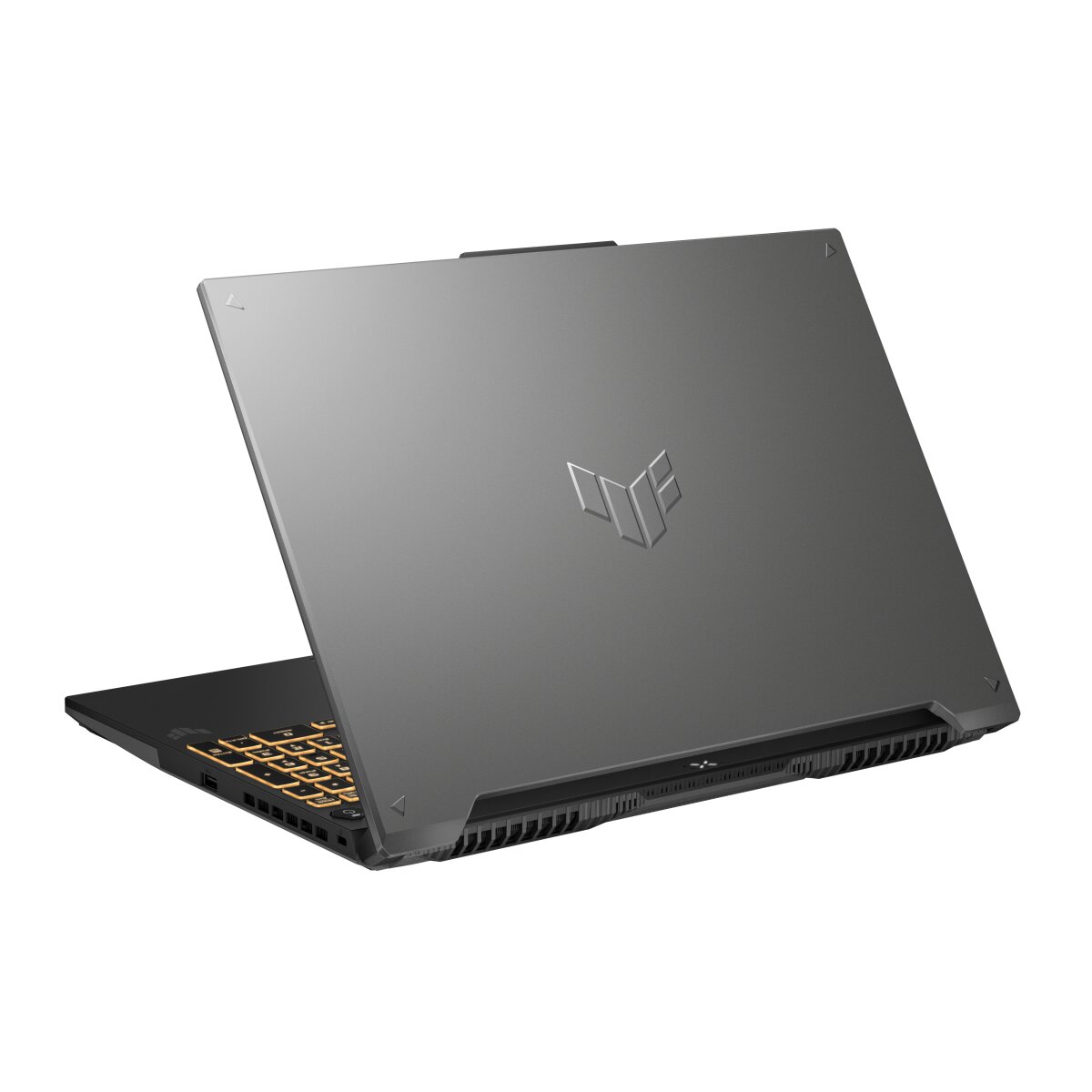
ASUS TUF Gaming A16 FA607PI-QT103W laptop features DDR5-SDRAM memory configuration with 2x SO-DIMM slots supporting maximum RAM capacity of 64 GB. Compatible upgrade modules operate at 5200 MHz frequency. Specifications enable memory expansion through SO-DIMM form factor slots, allowing users to enhance system performance by upgrading from factory-installed memory capacity to the supported maximum threshold.
Memory Upgrade Specifications
| Specification | Value |
|---|---|
| Memory slots | 2x SO-DIMM |
| Form factor | SO-DIMM |
| Memory type | DDR5-SDRAM |
| Frequency | 5200 MHz |
| Maximum RAM | 64 GB |
| Voltage | 1.1V |
| Number of pins | 262-pin |
| Interface | PC5 |
| PC Speed Rating | PC5-5200 (PC5-41600) |
| Bandwidth | 41.6 GB/s |
Additional Notes
- The ASUS TUF Gaming FA607PI-QT103W uses SO-DIMM form factor, confirming this is a compact mobile system; desktop DDR5 UDIMM modules are not compatible and will not physically fit the slots.
- DDR5-5200 MHz represents the certified JEDEC standard for this platform; memory modules rated above 5200 MHz will operate at reduced 5200 MHz frequencies unless unlocked overclocking profiles are enabled in BIOS, which may void thermal and stability guarantees.
- 2 SO-DIMM slots with 64 GB maximum capacity indicate symmetric dual-channel configuration; installing modules of unequal capacity or speed will force both channels to operate at the slower module's specifications.
- The 64 GB ceiling assumes 32 GB modules become standard; current market availability of 32 GB DDR5 SO-DIMM units remains limited, potentially restricting near-term upgrade feasibility to 2x 24 GB configurations for intermediate capacity gains.
- SO-DIMM population of both slots provides no expansion headroom; replacing either existing module requires complete removal and re-seating, creating temporary loss of dual-channel benefits during partial upgrades.
- DDR5 adoption locks memory compatibility to this generation; backward compatibility with DDR4 SO-DIMM modules from prior ASUS mobile platforms is not possible due to different electrical signaling and physical slot architecture.