ASUS TUF Gaming FA607PI-QT007W RAM upgrade specifications




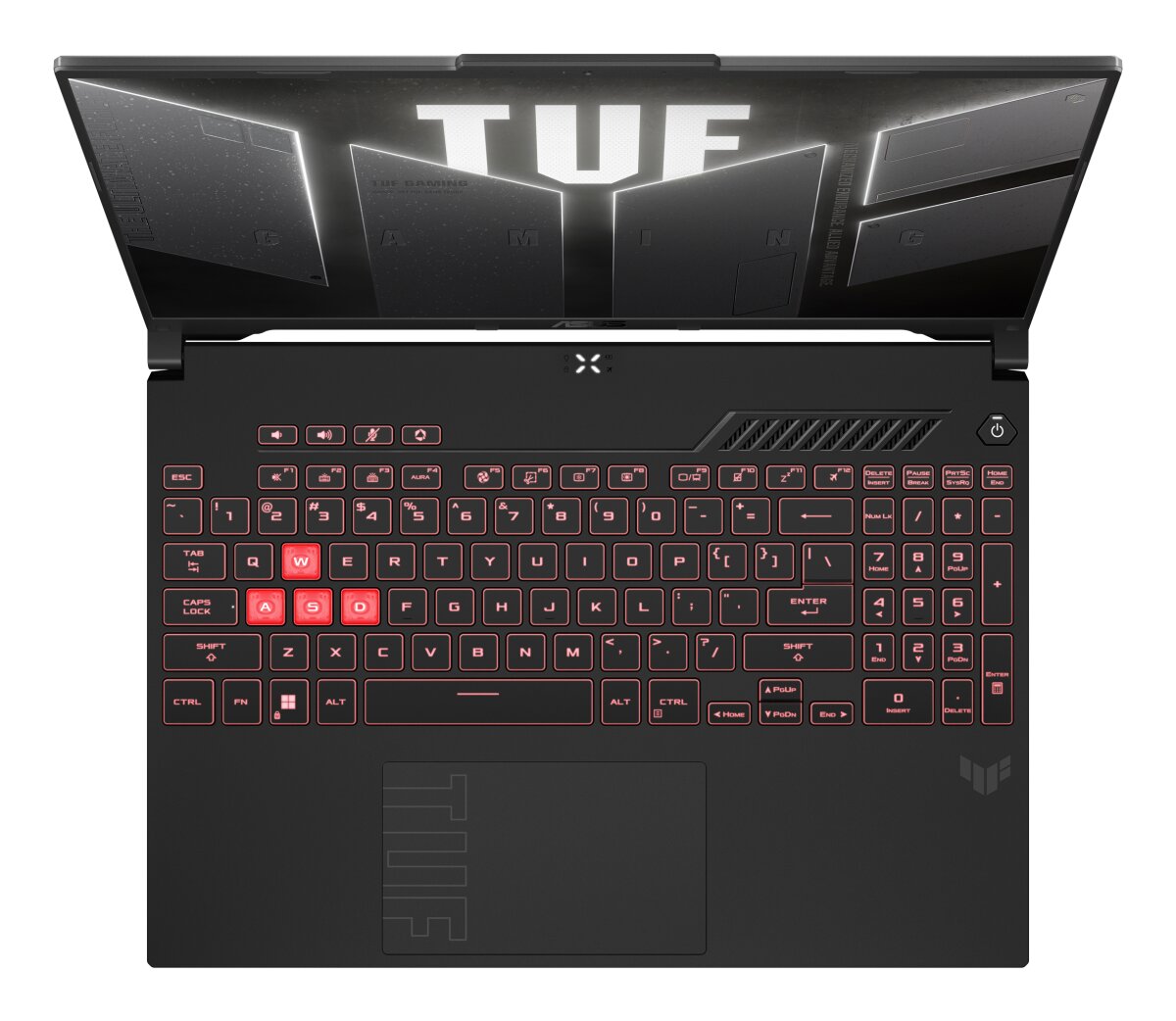
ASUS TUF Gaming A16 FA607PI-QT007W laptop memory upgrade specifications include two SO-DIMM slots supporting DDR5-SDRAM memory at 5200 MHz frequency. Maximum RAM capacity reaches 32 GB total. Compatible memory upgrades utilize SO-DIMM form factor specifications. Specifications enable expansion of laptop RAM from factory configuration to higher capacity modules within stated maximum limitations. RAM upgrade compatibility information applies exclusively to FA607PI-QT007W model within ASUS TUF Gaming A16 series.
Memory Upgrade Specifications
| Specification | Value |
|---|---|
| Memory slots | 2x SO-DIMM |
| Form factor | SO-DIMM |
| Memory type | DDR5-SDRAM |
| Frequency | 5200 MHz |
| Maximum RAM | 32 GB |
| Voltage | 1.1V |
| Number of pins | 262-pin |
| Interface | PC5 |
| PC Speed Rating | PC5-5200 (PC5-41600) |
| Bandwidth | 41.6 GB/s |
Additional Notes
- The ASUS TUF Gaming FA607PI-QT007W enforces a 32 GB ceiling per system, limiting each SO-DIMM slot to 16 GB modules regardless of whether higher density modules become available.
- DDR5-5200 operates with higher latency cycles than DDR4 equivalents at similar CAS values, though absolute latency in nanoseconds may remain comparable due to the increased clock frequency.
- SO-DIMM DDR5 modules require 1.1V operating voltage, incompatible with DDR4's 1.2V standard, preventing any cross-generation module use.
- The dual-channel configuration achieves 83.2 GB/s theoretical bandwidth at 5200 MHz, though real-world throughput depends on memory controller efficiency and interleaving implementation.
- Mismatched module capacities will operate in flex mode, running asymmetric channels that reduce bandwidth to single-channel speeds for the non-paired capacity portion.
- DDR5's on-module PMIC architecture means voltage regulation occurs on the RAM stick itself rather than the motherboard, affecting thermal characteristics during sustained memory-intensive operations.
- JEDEC standard DDR5-5200 uses different command timing protocols than overclocked XMP profiles, though SO-DIMM form factors rarely support XMP in mobile platforms.
- Installing modules rated below 5200 MHz will force the memory controller to downclock, leaving performance headroom unused, while modules rated above this speed will be limited to the controller's maximum supported frequency.
- The 262-pin SO-DIMM connector standard physically prevents installation of older 260-pin DDR4 modules, eliminating compatibility confusion at the hardware level.
- Upgrading from soldered memory configurations is impossible, but the availability of 2 accessible SO-DIMM slots allows field replacement without specialized surface-mount equipment.
- DDR5's internal error correction (on-die ECC) operates independently of system-level ECC support, providing basic correction for single-bit errors without OS visibility.