ASUS TUF Gaming FA607PI-N3019W RAM upgrade specifications

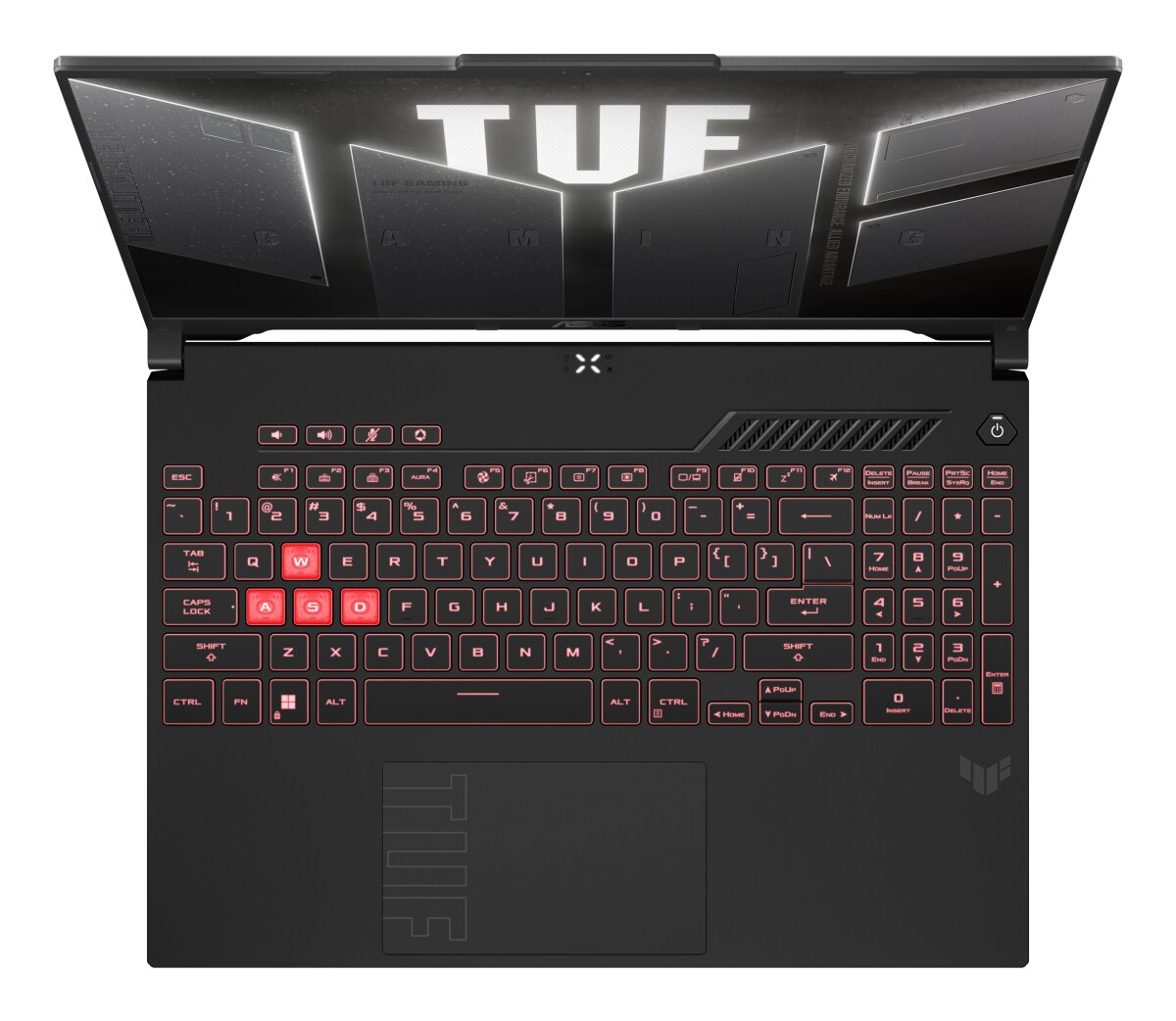



ASUS TUF Gaming A16 FA607PI-N3019W features two SO-DIMM slots supporting DDR5-SDRAM memory upgrades. Maximum RAM capacity reaches 32 GB total. Compatible memory operates at 5200 MHz frequency. Specifications indicate SO-DIMM form factor for upgrade compatibility. Existing memory can be expanded to achieve maximum RAM specifications on this gaming laptop model.
Memory Upgrade Specifications
| Specification | Value |
|---|---|
| Memory slots | 2x SO-DIMM |
| Form factor | SO-DIMM |
| Memory type | DDR5-SDRAM |
| Frequency | 5200 MHz |
| Maximum RAM | 32 GB |
| Voltage | 1.1V |
| Number of pins | 262-pin |
| Interface | PC5 |
| PC Speed Rating | PC5-5200 (PC5-41600) |
| Bandwidth | 41.6 GB/s |
Additional Notes
- The presence of 2 physical SO-DIMM slots allows for dual-channel memory configurations which doubles the theoretical bandwidth available to the processor compared to single-stick setups.
- The 32 GB threshold indicates a firmware or manufacturer-imposed validation limit that prevents the stable use of high-density 32 GB or 48 GB modules in a single slot.
- Operating at 5200 MHz requires the use of standardized JEDEC profiles as the motherboard chipset typically lacks support for XMP or EXPO overclocking profiles found in desktop environments.
- Installing matching pairs of modules is necessary to maintain symmetrical timing and prevent the system from downclocking to the lowest common frequency supported by the slower stick.
- The DDR5 architecture utilized by the ASUS TUF Gaming FA607PI-N3019W incorporates on-die ECC functionality which improves data integrity at the hardware level without the need for specialized server-grade buffered memory.
- Physical access to the memory slots requires removal of the entire base panel which involves navigating captive screws and plastic clips that may require specific pry tools to avoid chassis damage.
- Latency performance is governed by the integrated memory controller of the CPU which means that while higher frequency modules might physically fit, they will revert to the 5200 MHz ceiling defined by the system architecture.
- Upgrading components within the primary access area generally maintains the factory warranty provided that no internal cables are snagged and no secondary components are displaced during the installation process.