ASUS TUF Gaming FA607PI-N3090W RAM upgrade specifications




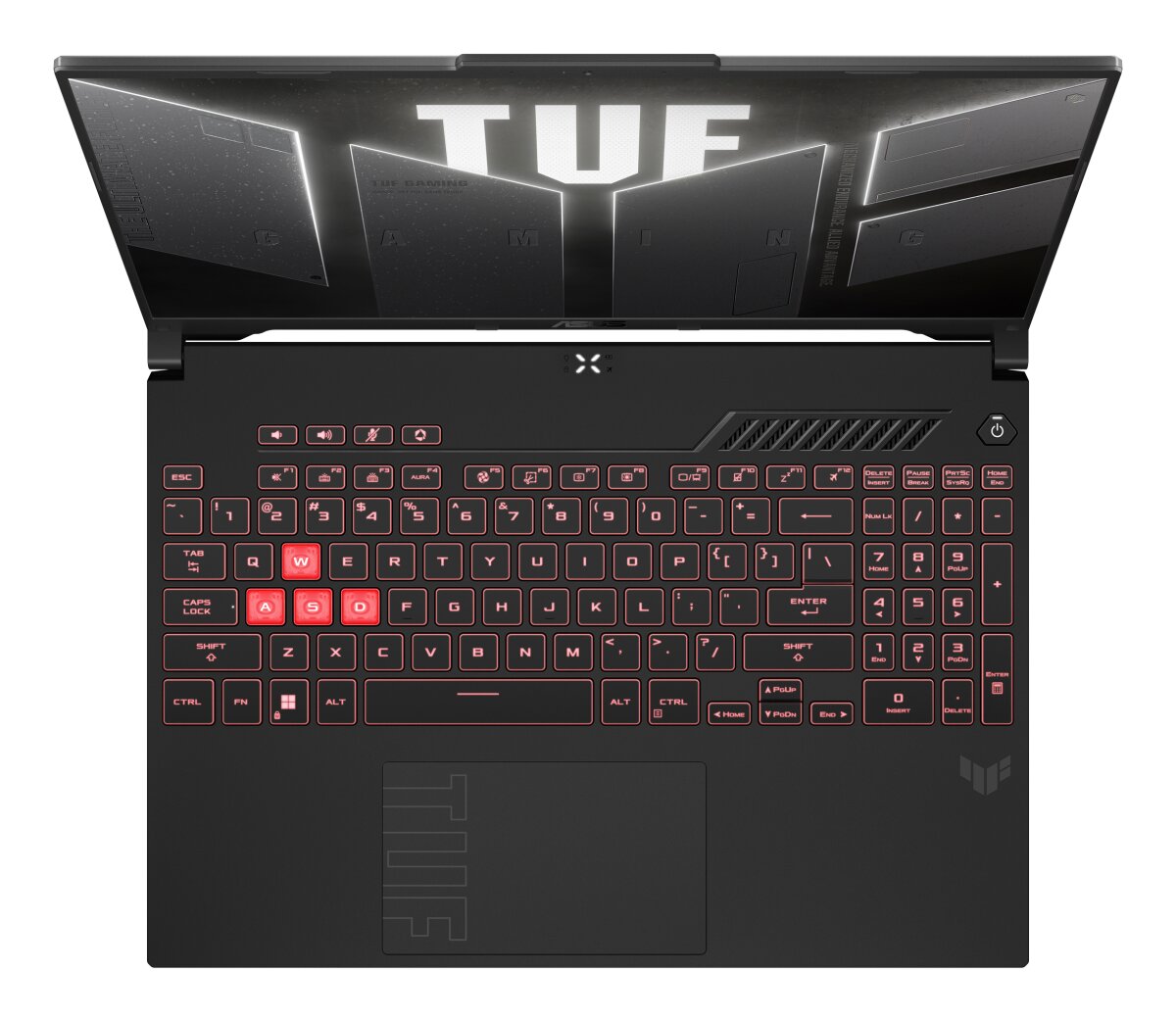
The ASUS TUF Gaming A16 FA607PI-N3090W features DDR5-SDRAM memory upgrade specifications with two SO-DIMM slots supporting maximum capacity of 64 GB total. Compatible RAM operates at 5200 MHz frequency using SO-DIMM form factor. Upgrade slots allow installation of matched memory modules to expand system performance capabilities. Specifications indicate dual memory slot configuration for DDR5 technology compatibility on laptop platform.
Memory Upgrade Specifications
| Specification | Value |
|---|---|
| Memory slots | 2x SO-DIMM |
| Form factor | SO-DIMM |
| Memory type | DDR5-SDRAM |
| Frequency | 5200 MHz |
| Maximum RAM | 64 GB |
| Voltage | 1.1V |
| Number of pins | 262-pin |
| Interface | PC5 |
| PC Speed Rating | PC5-5200 (PC5-41600) |
| Bandwidth | 41.6 GB/s |
Additional Notes
- The ASUS TUF Gaming FA607PI-N3090W supports DDR5 memory at native 5200 MHz, which establishes a performance baseline; memory modules rated above this frequency will operate at reduced speeds unless BIOS overclocking profiles are enabled, potentially voiding thermal or power delivery warranties.
- Dual SO-DIMM slot configuration permits maximum 64 GB total capacity through 2x32 GB modules, but asymmetrical capacity pairings (such as 32 GB plus 16 GB) will trigger single-channel performance on the lower-capacity module, degrading bandwidth efficiency across both slots.
- SO-DIMM form factor constrains upgrade options to laptop-grade memory exclusively; desktop DDR5 UDIMM modules are physically incompatible and cannot be substituted under any configuration.
- The 64 GB ceiling indicates a 4-layer BIOS address mapping; modules exceeding this capacity will not be recognized by firmware, rendering such purchases unusable in this platform regardless of physical compatibility.
- Memory frequency at 5200 MHz on a mobile workstation platform suggests the system relies on integrated GPU architecture or discrete GPU with shared memory bandwidth; adding faster DDR5 modules will not improve frame rates or compute performance unless the GPU chipset explicitly supports higher frequency operation through manufacturer-validated BIOS updates.