ASUS TUF Gaming FA607PI-QT008W RAM upgrade specifications
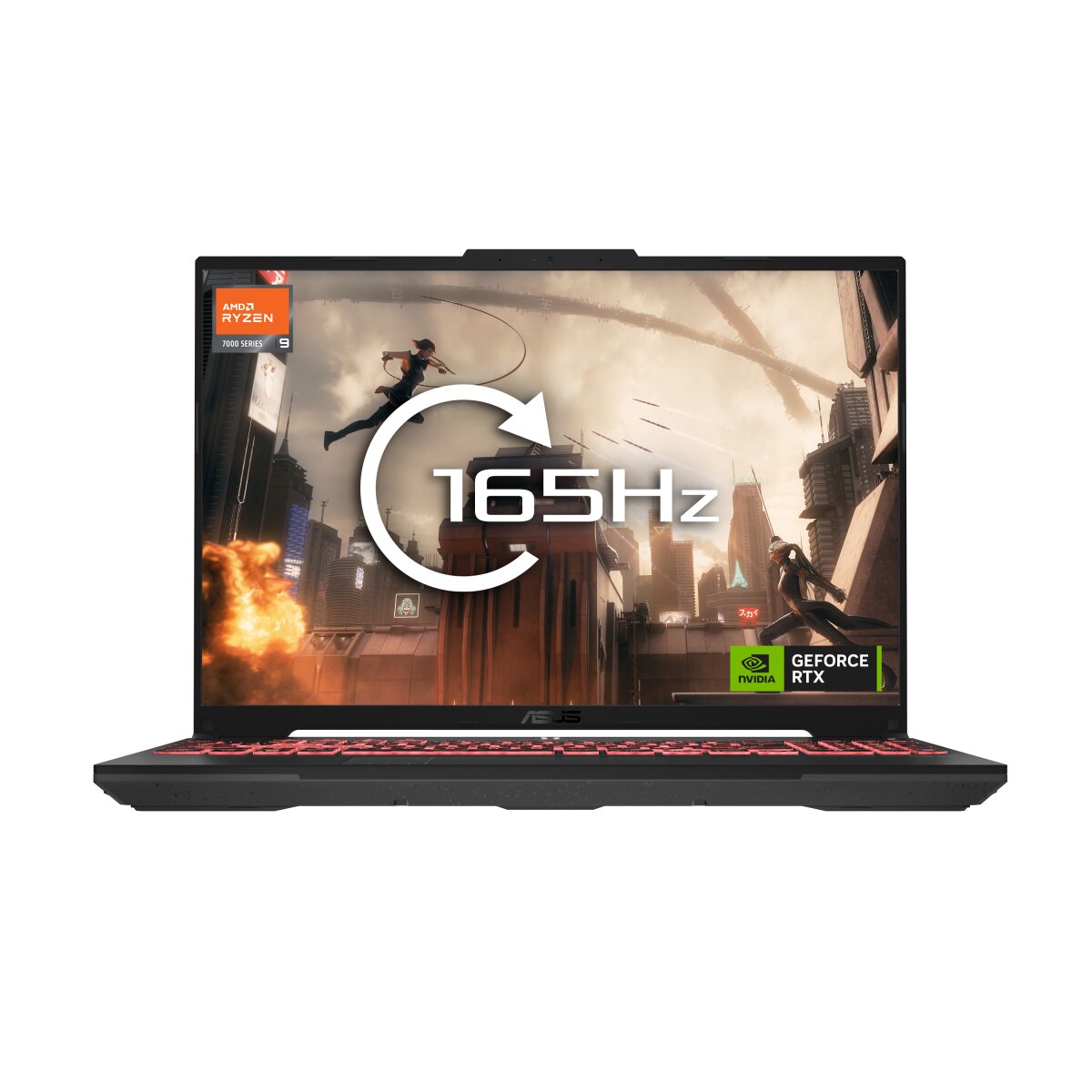
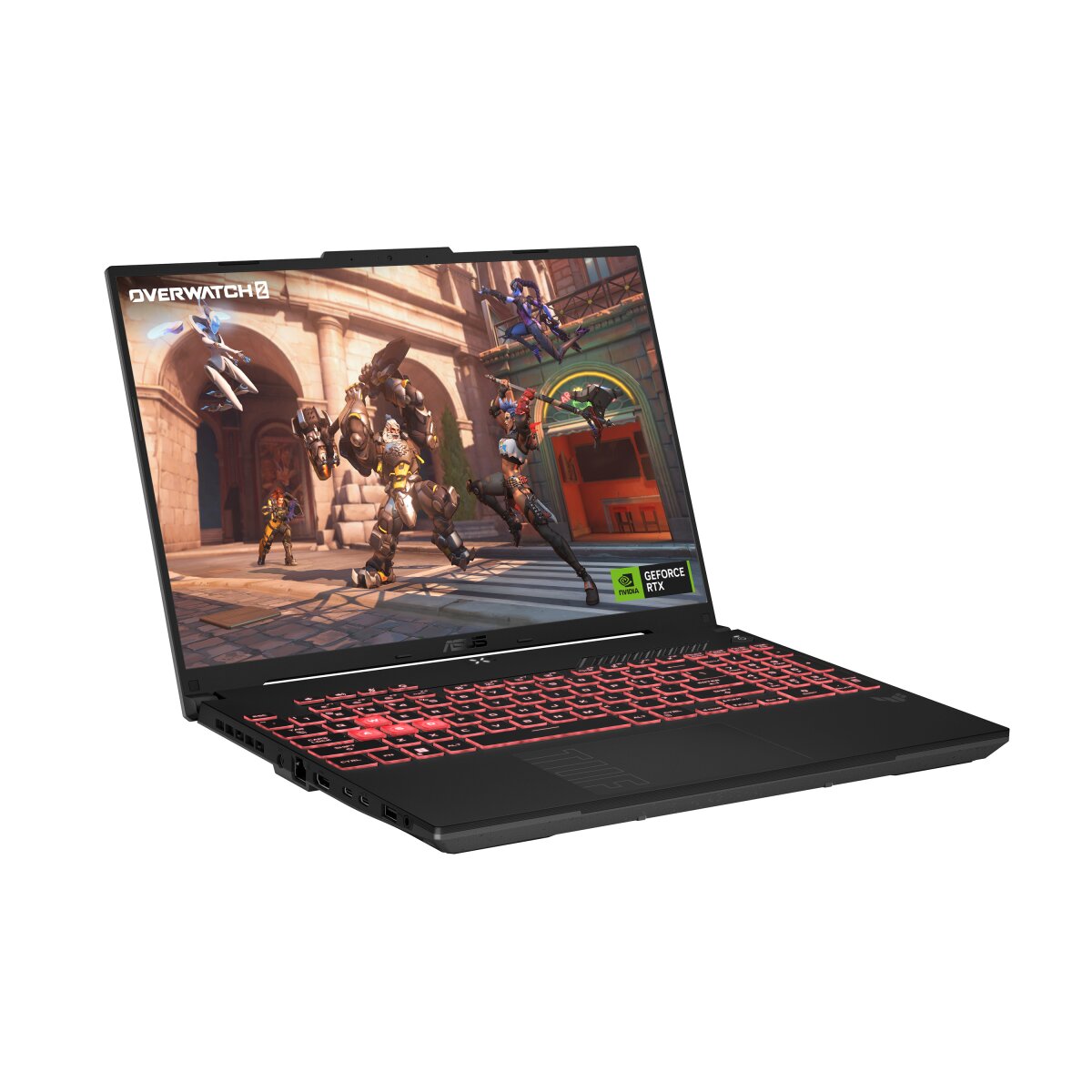
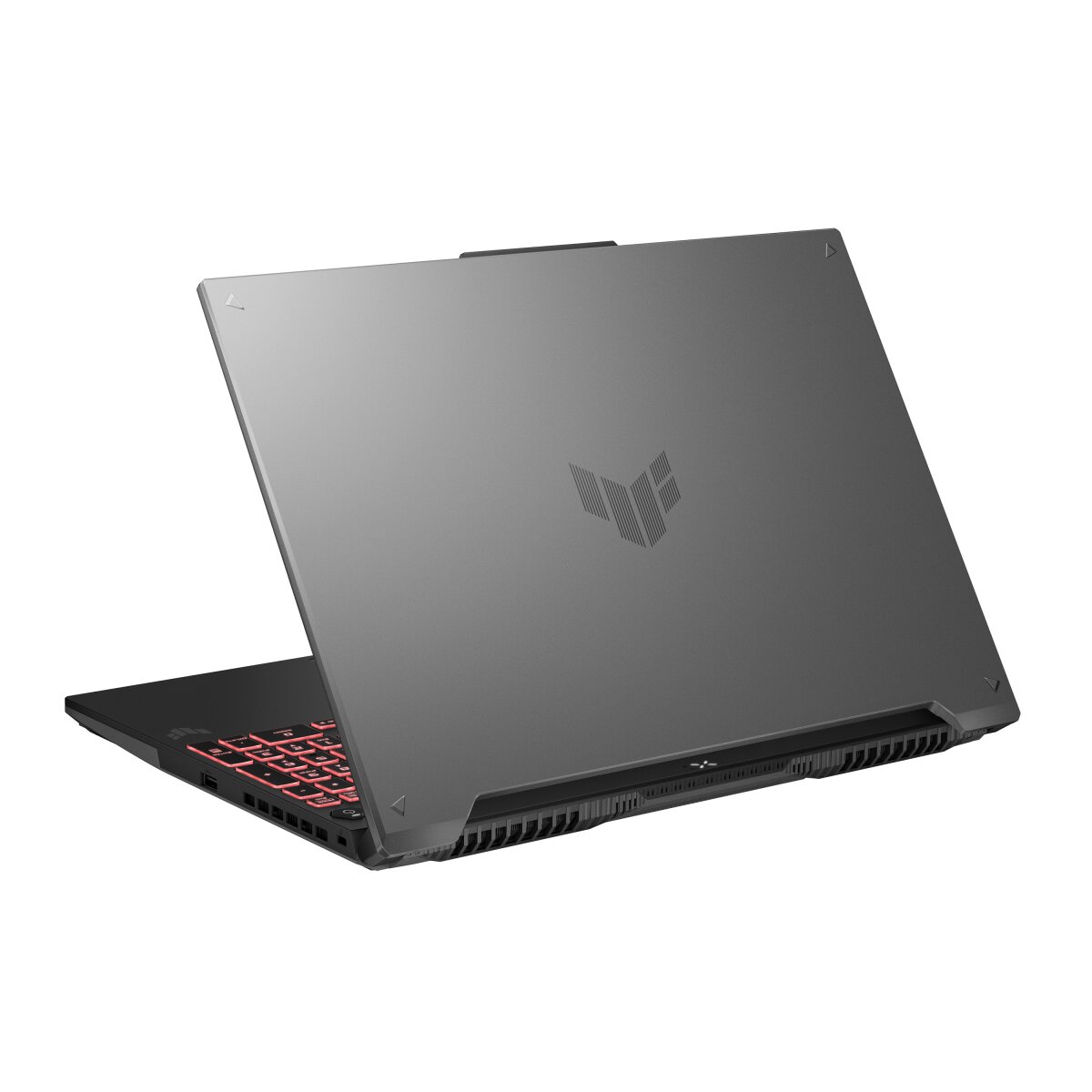
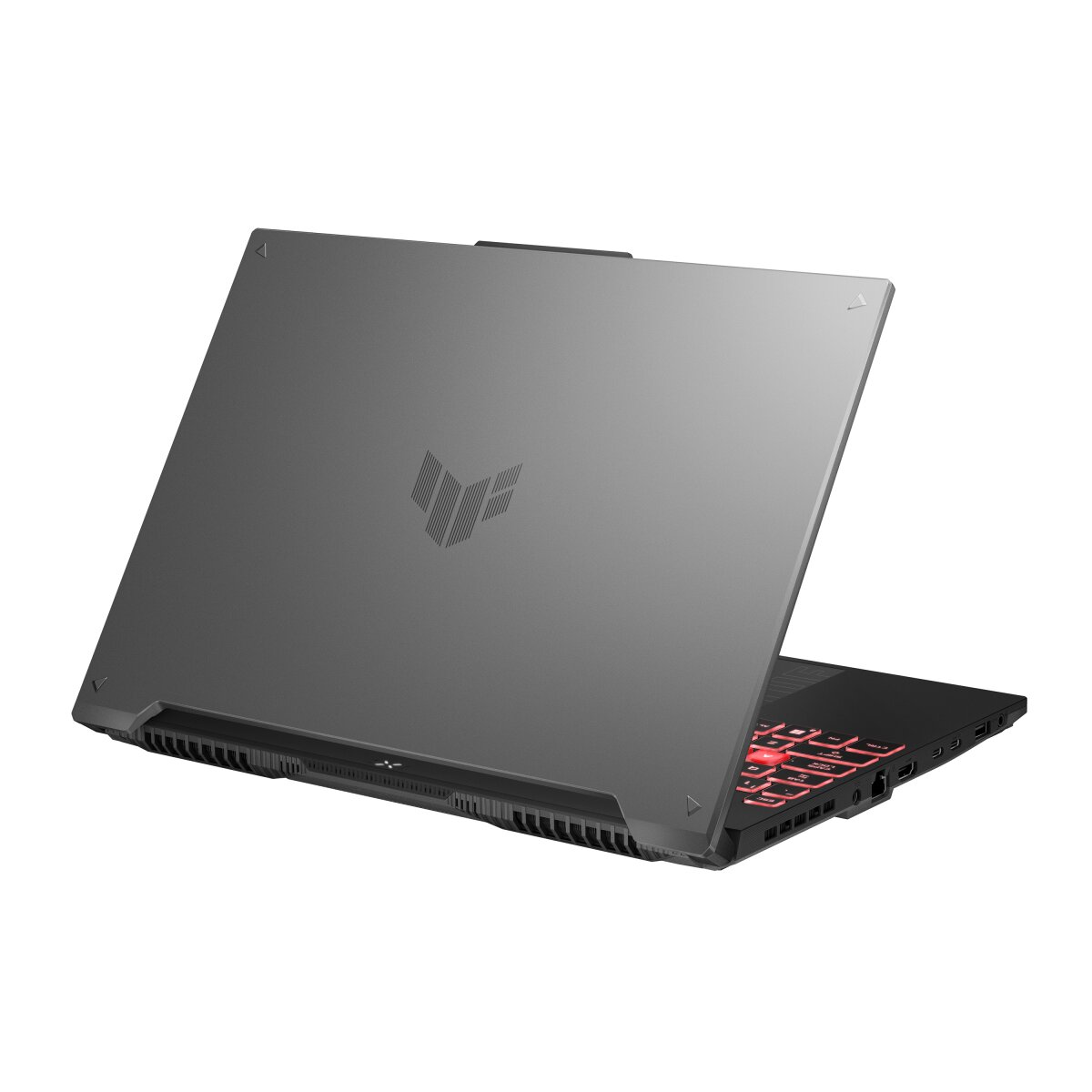

ASUS TUF Gaming A16 FA607PI-QT008W laptop memory upgrade specifications include two SO-DIMM slots supporting DDR5-SDRAM modules at 5200 MHz frequency. Maximum RAM capacity reaches 32 GB total, enabling users to upgrade from factory configurations. Compatible memory modules must meet DDR5 specifications and SO-DIMM form factor requirements for proper installation in available upgrade slots.
Memory Upgrade Specifications
| Specification | Value |
|---|---|
| Memory slots | 2x SO-DIMM |
| Form factor | SO-DIMM |
| Memory type | DDR5-SDRAM |
| Frequency | 5200 MHz |
| Maximum RAM | 32 GB |
| Voltage | 1.1V |
| Number of pins | 262-pin |
| Interface | PC5 |
| PC Speed Rating | PC5-5200 (PC5-41600) |
| Bandwidth | 41.6 GB/s |
Additional Notes
- The ASUS TUF Gaming FA607PI-QT008W supports DDR5 modules exclusively, making DDR4 memory physically and electrically incompatible due to different notch positions and voltage requirements.
- The 32 GB ceiling requires either a single 32 GB module or dual 16 GB modules, as higher density configurations exceed the memory controller's addressing capability.
- SO-DIMM form factor indicates laptop-specific modules measuring 67.6 mm in length, preventing the use of standard 133.35 mm desktop DIMMs regardless of specification matching.
- The 5200 MHz native frequency operates through JEDEC standards without requiring XMP/EXPO profiles, simplifying compatibility verification compared to overclocked kits.
- Dual-channel population across both slots delivers 83.2 GB/s theoretical bandwidth, while single-module configurations halve throughput to 41.6 GB/s despite identical capacity.
- DDR5's on-die ECC operates independently of system-level error correction, providing silent bit error recovery without BIOS configuration or performance overhead.
- Mixing modules with different densities or timings forces the memory controller to synchronize at the lowest common specifications, potentially underclocking faster modules.
- The voltage standard of 1.1V for DDR5 reduces power draw by 18% compared to DDR4's 1.2V baseline, though higher-frequency modules may require VDD/VDDQ adjustments.
- Non-binary capacity modules like 24 GB sticks create asymmetric channel loading, which degrades interleaving efficiency despite maintaining dual-channel operation.
- Replacement procedures require complete battery disconnection to prevent capacitor discharge through memory traces during module insertion.
- Third-party modules lacking JEDEC certification may trigger POST failures or training errors even when meeting published frequency and timing specifications.
- Temperature thresholds for DDR5 modules reach 95°C under sustained loads, necessitating adequate chassis ventilation to prevent thermal throttling at 5200 MHz speeds.