ASUS TUF Gaming FA617NSR-RL071W RAM upgrade specifications


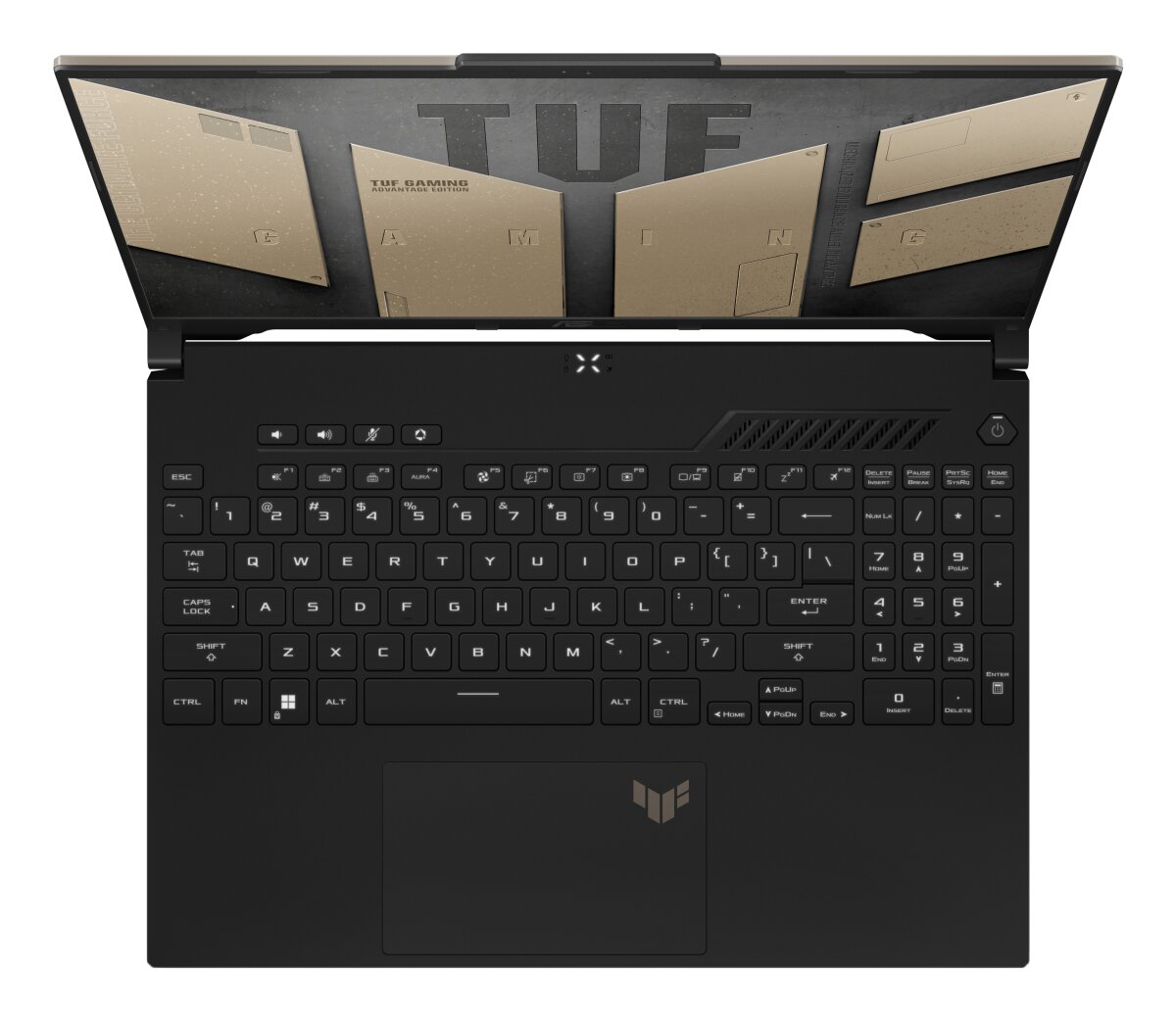


The ASUS TUF Gaming A16 FA617NSR-RL071W laptop features DDR5-SDRAM memory upgradeable through 2 SO-DIMM slots. Maximum RAM capacity reaches 32 GB total, supporting DDR5 modules operating at 4800 MHz frequency. Memory upgrade specifications indicate SO-DIMM form factor compatibility for this gaming laptop model. The device specifications allow compatible DDR5-SDRAM installation to achieve maximum memory configuration of 32 GB across available slots.
Memory Upgrade Specifications
| Specification | Value |
|---|---|
| Memory slots | 2x SO-DIMM |
| Form factor | SO-DIMM |
| Memory type | DDR5-SDRAM |
| Frequency | 4800 MHz |
| Maximum RAM | 32 GB |
| Voltage | 1.1V |
| Number of pins | 262-pin |
| Interface | PC5 |
| PC Speed Rating | PC5-4800 (PC5-38400) |
| Bandwidth | 38.4 GB/s |
Additional Notes
- The 32 GB maximum capacity limit is determined by chipset or CPU memory controller restrictions rather than physical slot availability.
- DDR5 modules operate at higher minimum voltages than DDR4, making cross-generation compatibility impossible without motherboard replacement.
- The 4800 MHz frequency represents JEDEC standard baseline speed for DDR5, while the memory controller may support higher frequencies through manufacturer overclocking profiles if implemented.
- SO-DIMM form factor requires modules approximately 30% shorter than desktop DIMM counterparts, preventing standard desktop memory installation.
- Dual-channel configuration becomes achievable only when both slots contain matched capacity modules, otherwise the system defaults to single-channel operation with asymmetric performance penalties.
- The ASUS TUF Gaming FA617NSR-RL071W supports only unbuffered non-ECC modules, as registered or error-correcting memory types remain incompatible with consumer mobile platforms.
- Memory bandwidth reaches theoretical maximum of 76.8 GB/s per channel at 4800 MHz with dual-channel population, compared to 38.4 GB/s in single-channel mode.
- Module height clearance in this chassis typically restricts installation to standard profile SO-DIMMs, as low-profile variants remain unnecessary in laptop environments.
- Mixed capacity configurations distribute memory asymmetrically across channels, causing the system to operate larger capacity portions in single-channel mode while matching segments run dual-channel.
- DDR5 on-die ECC operates transparently at the DRAM level for data integrity but does not provide system-level error reporting available in server-grade ECC implementations.
- Warranty preservation requires avoiding modules exceeding the 32 GB maximum threshold, as over-specification may trigger compatibility failures or POST rejection.