ASUS TUF Gaming TUF607PI-QT047 RAM upgrade specifications
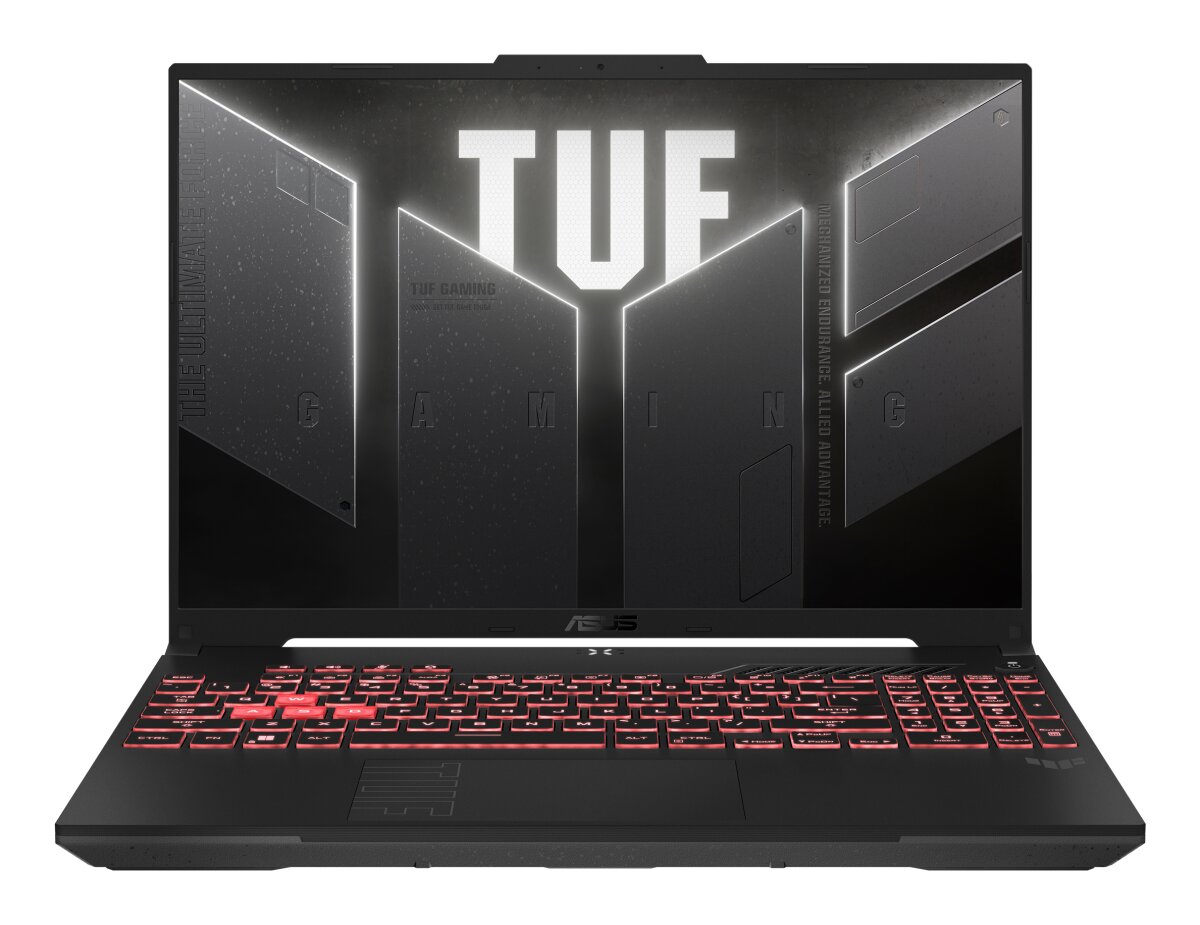



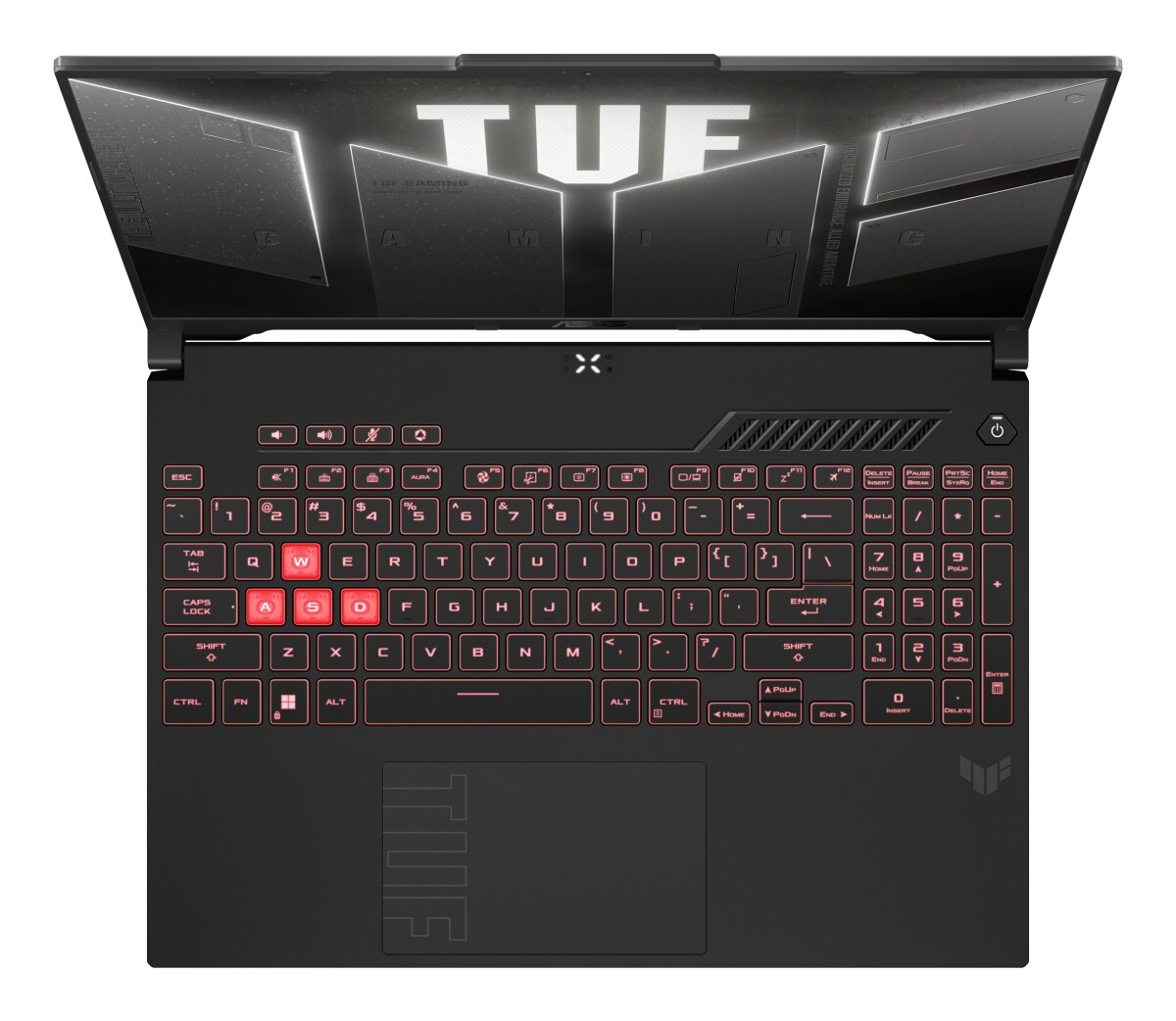
The ASUS TUF Gaming A16 series model TUF607PI-QT047 features two SO-DIMM slots supporting DDR5-SDRAM memory upgrades. The laptop specifications indicate maximum RAM capacity of 32 GB, compatible with DDR5-5200 MHz frequency modules. Memory upgrade options for this model include compatible SO-DIMM form factor DDR5 modules, enabling users to expand system memory capacity up to the maximum supported 32 GB specifications across the two available slots.
Memory Upgrade Specifications
| Specification | Value |
|---|---|
| Memory slots | 2x SO-DIMM |
| Form factor | SO-DIMM |
| Memory type | DDR5-SDRAM |
| Frequency | 5200 MHz |
| Maximum RAM | 32 GB |
| Voltage | 1.1V |
| Number of pins | 262-pin |
| Interface | PC5 |
| PC Speed Rating | PC5-5200 (PC5-41600) |
| Bandwidth | 41.6 GB/s |
Additional Notes
- The ASUS TUF Gaming TUF607PI-QT047 requires DDR5 modules, eliminating backward compatibility with DDR4 memory from previous generation laptops.
- The 32 GB maximum capacity enforces a 2x16 GB configuration as the only viable path for peak capacity, ruling out single 32 GB module installations.
- DDR5-5200 represents a JEDEC standard speed, ensuring stable operation without requiring XMP profile activation or vendor-specific tuning.
- SO-DIMM form factor mandates laptop-specific modules, as desktop DIMM memory remains physically incompatible regardless of electrical specifications.
- Dual-channel architecture delivers 83.2 GB/s theoretical bandwidth when both slots operate synchronously at 5200 MT/s.
- Single-slot population halves memory bandwidth to 41.6 GB/s, potentially bottlenecking integrated graphics or CPU-intensive workloads.
- DDR5 operates at 1.1V baseline voltage compared to DDR4's 1.2V, reducing thermal output and extending battery runtime during memory-intensive operations.
- On-die ECC functionality in DDR5 corrects single-bit errors transparently, improving data integrity without requiring ECC-specific module variants.
- Mixed-capacity configurations remain supported, though asymmetric installations may trigger flex mode with reduced dual-channel benefits on the larger module's excess capacity.
- 5200 MHz speed tolerance suggests compatibility with higher-frequency modules, which will downclock to match the controller's maximum supported rate.
- Soldered memory remains absent based on the slot-only configuration, preserving user-serviceable upgrade access throughout the device lifespan.
- DDR5's dual-channel-per-module architecture internally subdivides each SO-DIMM into 2 independent 32-bit channels, differing from DDR4's single 64-bit channel design.