ASUS TUF Gaming 90NR0FL5-M003F0 RAM upgrade specifications


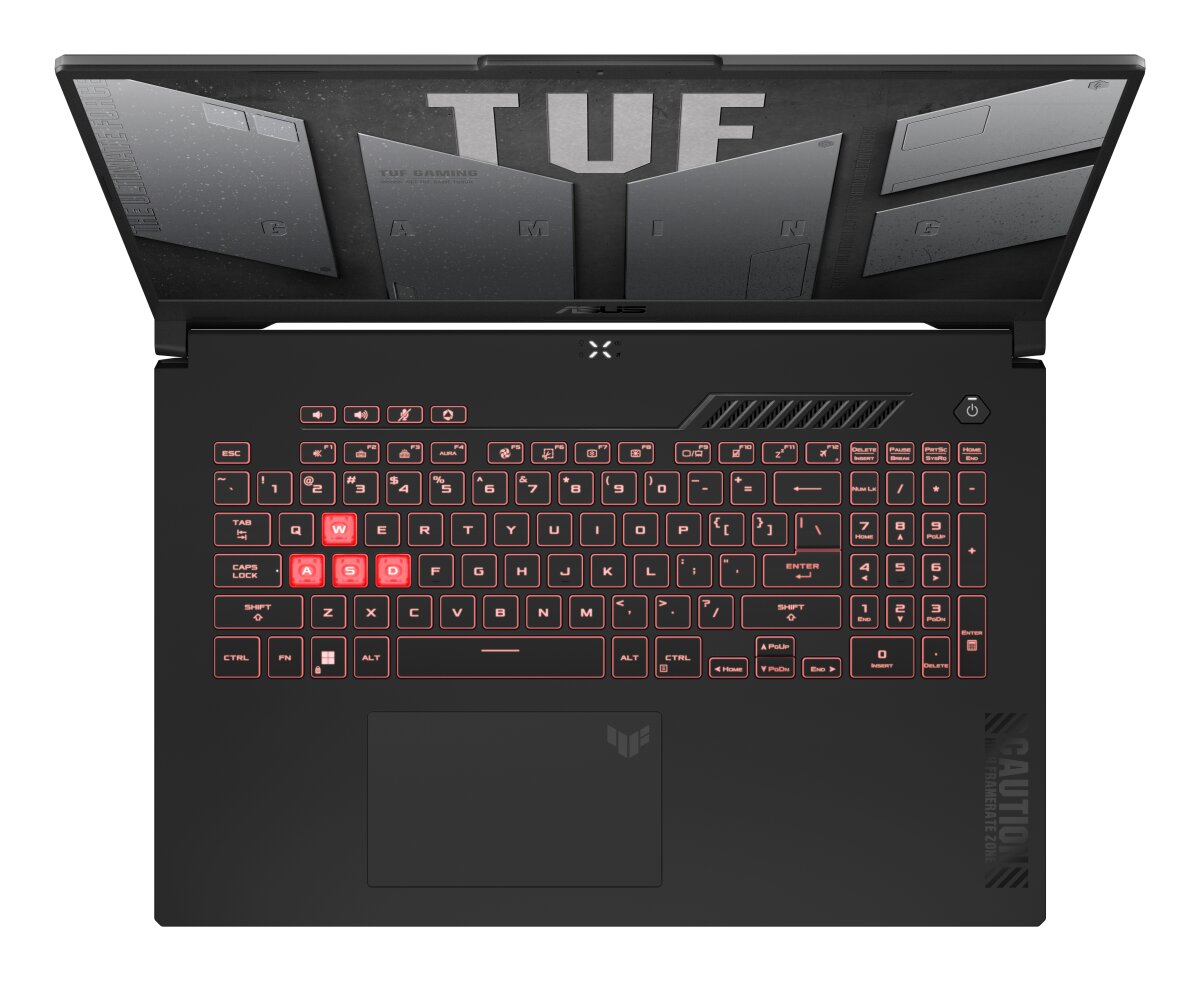


ASUS TUF Gaming A17 model 90NR0FL5-M003F0 supports DDR5-SDRAM memory upgrades with two SO-DIMM slots. Maximum RAM capacity reaches 32 GB, with compatible memory operating at 4800 MHz frequency. The laptop features SO-DIMM form factor specifications for memory expansion. Upgrade specifications indicate dual slot configuration enabling enhanced memory capacity for performance optimization.
Memory Upgrade Specifications
| Specification | Value |
|---|---|
| Memory slots | 2x SO-DIMM |
| Form factor | SO-DIMM |
| Memory type | DDR5-SDRAM |
| Frequency | 4800 MHz |
| Maximum RAM | 32 GB |
| Voltage | 1.1V |
| Number of pins | 262-pin |
| Interface | PC5 |
| PC Speed Rating | PC5-4800 (PC5-38400) |
| Bandwidth | 38.4 GB/s |
Additional Notes
- The ASUS TUF Gaming 90NR0FL5-M003F0 accepts only DDR5 modules, making DDR4 memory physically and electrically incompatible due to different notch positions and voltage requirements.
- The 32 GB ceiling necessitates 16 GB modules per slot when fully populated, as 32 GB SO-DIMMs would exceed the controller's addressing limit.
- DDR5's on-die ECC architecture provides error correction without requiring registered modules, unlike server-grade DDR4 implementations.
- Modules exceeding 4800 MHz may downclock to this validated frequency unless the chipset and BIOS support JEDEC or XMP profiles for higher speeds.
- SO-DIMM form factor indicates soldered memory is absent, allowing field replacement without board-level rework or specialized equipment.
- Dual-channel configuration requires matched module pairs in both slots to avoid asymmetric bandwidth penalties during interleaved memory access.
- DDR5's dual-channel-per-module design at the DIMM level doubles effective channels compared to DDR4 single-channel architecture per stick.
- Mixing module densities such as 8 GB with 16 GB will function but forces flex mode operation with reduced performance compared to symmetric configurations.
- The 4800 MHz base represents JEDEC standard speed, meaning faster retail kits may revert to this frequency if XMP/EXPO profiles fail POST verification.
- Thermal considerations differ from DDR4 as DDR5 modules integrate voltage regulation, generating localized heat that benefits from adequate chassis airflow.